What Does a $1000 Collision Deductible Mean
The deductible splits what you pay from what insurers pay
A collision deductible is the amount subtracted from any collision claim before the insurer pays anything. If repairs cost more than the deductible, you pay the deductible and the insurer covers the remainder. If repairs cost less than the deductible, the insurer pays nothing at all, and there's no point filing a claim.
Insurers set it up this way so you share in the cost of every claim, which keeps premiums lower than they'd be with no deductible.
This only applies to collision coverage, which pays for damage to your own car from an accident, hitting an object, or rolling over. It doesn't apply to liability coverage, which pays for damage you cause to others, and it doesn't apply to comprehensive coverage, which has its own separate deductible for things like theft or weather damage.
What counts toward the deductible and how claims get processed can vary by insurer and by state, especially around things like glass repair or rental car coverage during repairs. If you're unsure what your policy includes, check the declarations page or call the insurer directly, since the number alone doesn't tell you everything about how a claim will go.

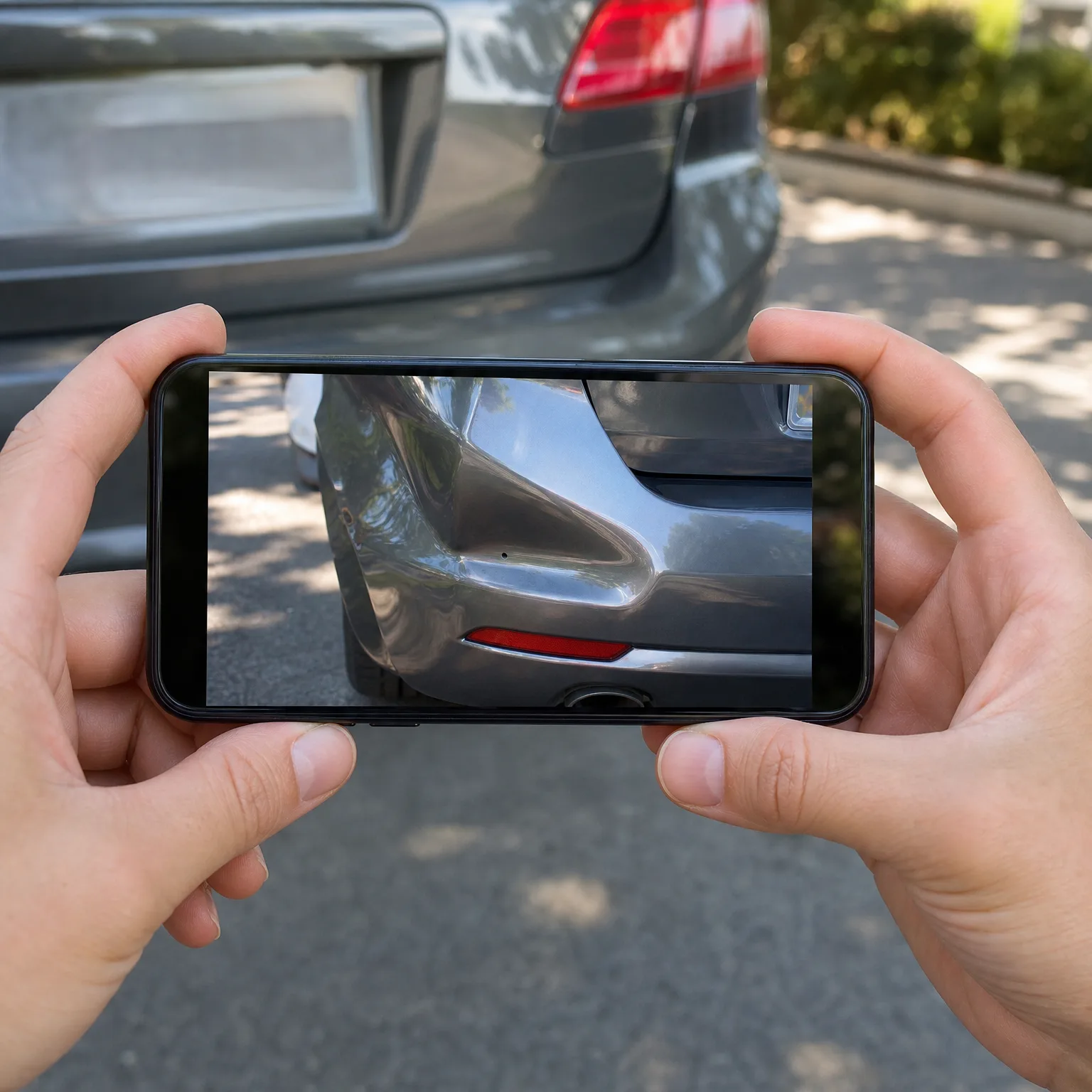
A car with damage that falls right around the deductible line
Say you're deciding whether to keep collision coverage on your spouse's old car, the one that now sits in the driveway more than it's driven. You'd pay the deductible and the insurer would cover the small remainder.
In that situation, many people choose not to file a claim at all, since the payout would be small and a claim can affect future premiums. You'd weigh that small payout against the hassle and the possible rate impact, and for a car you're already unsure about keeping, that math might tip you toward dropping collision coverage altogether rather than toward filing. That's the kind of decision this deductible forces into the open, especially for a car you're reconsidering.

The deductible isn't a fee for insurance, it's the amount you're choosing to risk yourself on every claim.

If you do
For small or moderate damage, you may end up covering the full cost yourself since many repairs fall under that line.
If you don't
If you lower the deductible, your premium rises, sometimes by more than the lower deductible saves you over several years. If you raise it instead, your premium drops, but you take on more cost the next time you file a claim, so you want savings set aside to cover that gap.
Should I drop collision coverage on a car nobody drives anymore?
It depends on the car's value and how much risk you're comfortable carrying yourself. If the car is older and worth little, the premium you'd save by dropping collision may outweigh what you'd recover in a claim after the deductible. Check the car's current value against your annual premium for collision coverage specifically, not the whole policy. If the car is still valuable, or if it's parked somewhere it could be hit or stolen, keeping some coverage may still make sense. This is also worth revisiting once you decide whether to keep, sell, or transfer the car.
Can I change the deductible on a policy that's still in my spouse's name?
In most cases you'll need to update the policy into your name first, since insurers generally require the policyholder to authorize changes. This involves notifying the insurer of the death, providing documentation, and retitling the policy to you if you're keeping the car and coverage. Once that's done, you can adjust the deductible like any other policyholder. The exact documents required vary by insurer and sometimes by state, so call the insurer early to find out what they need before you try to make changes.
How do I find out what deductible is currently on the policy?
Check the declarations page, which lists every coverage and its deductible in one place. If you don't have a copy, the insurer can send one once you're verified as the policyholder or authorized to access the account. This page will show you collision and comprehensive deductibles separately, along with liability limits, so you can see the whole policy at once instead of guessing. It's the fastest way to understand what you actually have before deciding what to change.