What Does Comprehensive Coverage Actually Cover
Comprehensive pays to repair or replace your car when something other than a collision damages it, like weather or theft.
A deer, a windshield and a decision that paid off
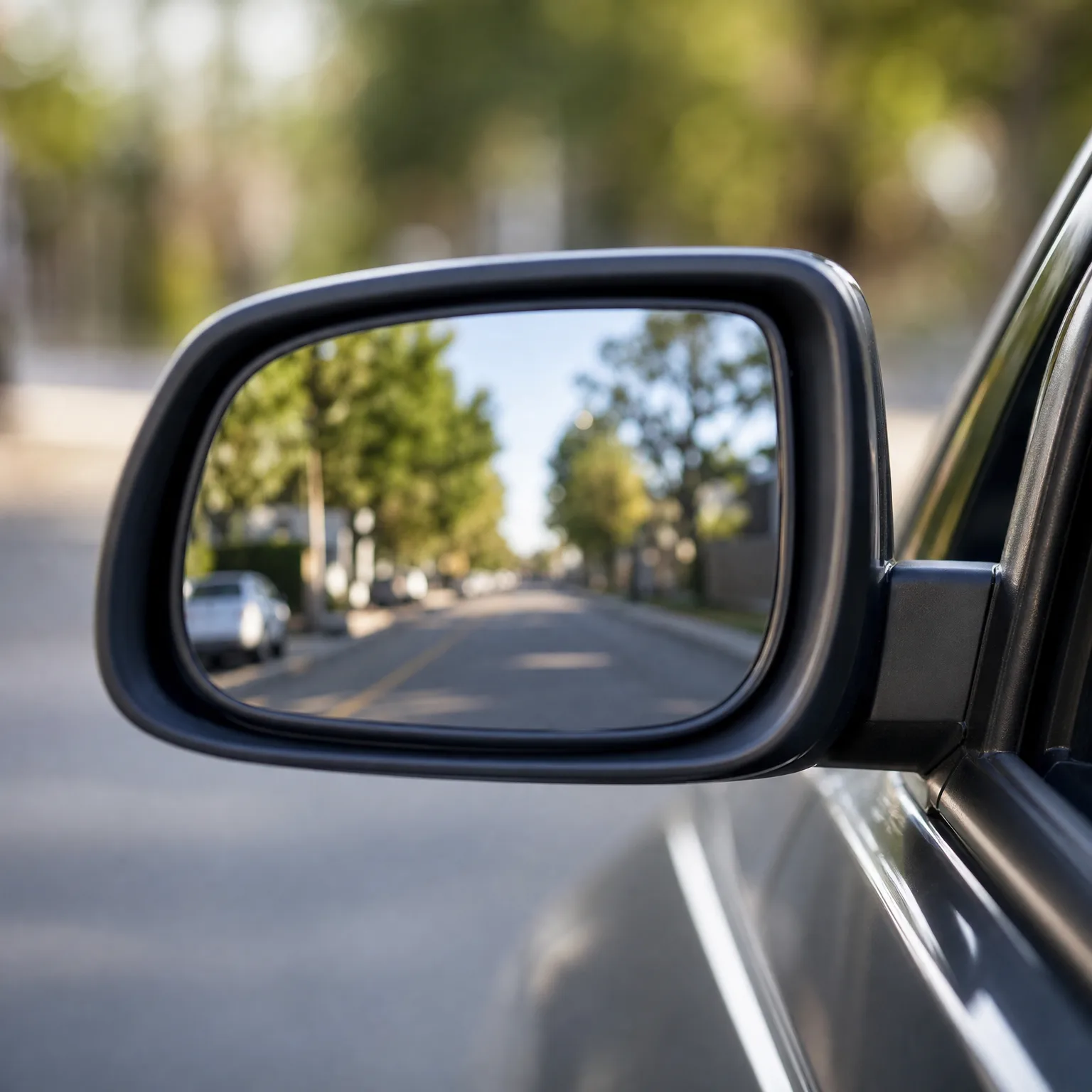
One of our readers was driving home at dusk when a deer ran into the road and she couldn't stop in time. The front end of her car was badly damaged, the hood crumpled and a headlight shattered. She wasn't sure at first whether this counted as a collision or something else, since it felt like an accident either way.
It turned out hitting an animal falls under comprehensive, not collision, because the damage didn't come from hitting another vehicle or object she ran into on purpose. She filed the claim, paid her deductible, and the rest of the repair was covered. If she'd dropped comprehensive the year before to save money, thinking of it as optional since she'd never filed a claim, she would have paid for the entire repair herself. Keeping it turned an expensive night into a manageable one.
Does comprehensive cover the car itself or just other people's property?
Comprehensive covers your own car. It pays to repair or replace your vehicle when it's damaged by something other than a collision with another car or object you hit while driving, things like theft, fire, vandalism, flooding, falling trees or animal strikes.
It doesn't cover injuries to you or anyone else, and it doesn't cover damage to someone else's car or property. Those are handled by liability and medical coverage instead. If you're trying to figure out whether a specific loss would be covered, the test is simple, ask whether your car was moving and hit something, or whether something happened to it while it was sitting still or without you causing it.
Comprehensive isn't about accidents you cause, it's about what can happen to a car on its own.
Once you know what comprehensive actually protects, compare quotes to see what keeping or dropping it would cost you.
Why comprehensive is split off from collision coverage
Insurers separate comprehensive from collision because the two cover fundamentally different kinds of risk. Collision is about what happens when your car hits something, a cause you can usually trace to a driving decision. Comprehensive is about everything else, the risks that have nothing to do with how you drive, like weather, theft or an animal in the road. Splitting them lets insurers price each risk separately, and lets you choose which protections make sense for your situation.
This is why comprehensive claims generally don't affect your driving record the way an at-fault accident might. Since the damage wasn't caused by a driving mistake, it isn't treated as evidence of risky driving, though it can still affect your premium depending on the insurer and the state you're in.
Comprehensive also tends to matter most for cars that are either valuable enough to be expensive to replace or sitting somewhere exposed to risk, like outdoor parking in an area with severe weather or higher theft rates. If a car is older and worth very little, the payout after a deductible might be small enough that carrying comprehensive doesn't make financial sense anymore, which is a separate decision from whether the coverage itself would apply.
What counts as a comprehensive claim can vary slightly by insurer, particularly around things like glass damage or hitting an animal versus swerving to avoid one. It's worth checking your policy's specific definitions, especially if you're comparing coverage from more than one company.
Is hitting a pothole covered by comprehensive or collision?
That's collision, not comprehensive. A pothole is something your car hits while driving, so it falls under the same category as hitting another car or a guardrail. Comprehensive only applies to damage that happens without your car striking something as a direct result of how you were driving. If you're unsure which category a specific incident falls into, check with the insurer before assuming it isn't covered at all.
Do I need comprehensive if my car is paid off?
Not necessarily, it depends on what the car is worth and what you could afford to replace it with. Lenders require comprehensive while you have a loan, but once the car is paid off, that requirement disappears and it becomes your choice. If the car has real value or would be hard to replace out of pocket, keeping comprehensive still makes sense. If it's old enough that repairs would cost more than the car is worth, dropping it may save money without much real risk.
Does comprehensive cover a cracked windshield?
Usually yes, since glass damage from road debris or weather falls under comprehensive rather than collision. Some insurers offer separate glass coverage or a lower deductible specifically for windshields, so it's worth checking how your policy handles it. The rules here vary more than other parts of comprehensive, so confirm the details with your insurer rather than assuming every policy treats glass the same way.