What Does Coverage Limit Mean in Insurance
A coverage limit is the most your policy will pay for a covered loss, and anything above it is yours to cover.
The limit is the ceiling your insurer agreed to pay, nothing more
When you bought the policy, you and the insurer agreed on a number for each kind of coverage. That number is the most the insurer will pay out for a claim under that part of the policy. It isn't a target or an estimate of what things usually cost, it's a hard stop. If the damage or the medical bills go past that number, the remaining cost doesn't disappear, it just moves to whoever is responsible for paying it, which can be you.
A policy usually has several limits, not one. Liability coverage has its own limit, often split between injury to other people and damage to their property. Other parts of the policy, like coverage for your own car, can carry separate limits too. Each one caps a different kind of payout, so a high limit in one part of the policy doesn't help if the claim falls under a different part with a lower limit.
This is where things vary. States set minimum limits that every driver has to carry, but those minimums differ from state to state, and they're often lower than what would actually cover a serious accident. Insurers also structure limits differently, some combine injury and property into one shared number, others split them out. Check your state's minimum and your policy's declarations page to see exactly how your limits are structured.
What doesn't vary is the basic logic. A limit is a promise with a boundary, and knowing where that boundary sits is what lets you judge whether your coverage actually matches the risk you're carrying on the road.
A rear-end accident that went past the other driver's limit
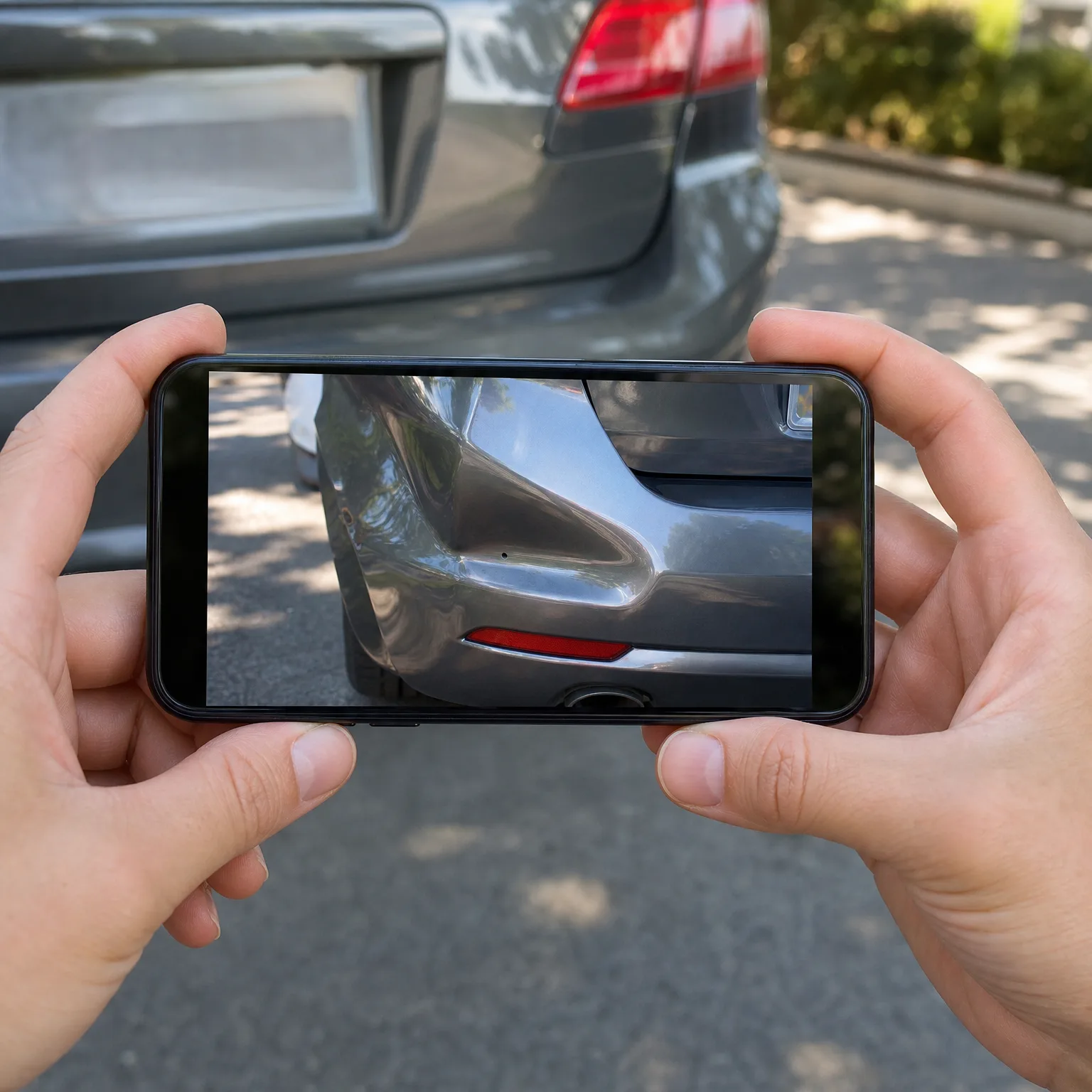
Someone rear-ended another car at a stoplight. The crash wasn't severe, but the other driver needed a few weeks of physical therapy and their car needed real bodywork. The at-fault driver had the state minimum liability limit, which covered the car repairs easily but came up short against the combined medical and repair total.
The injured driver's own policy had a coverage built for exactly this gap, so it stepped in to cover the rest once the other driver's limit was used up. That coverage existed because the injured driver had chosen it when setting up their own policy, specifically because they knew state minimums on the road around them tended to be low. It turned a shortfall into a manageable claim instead of a direct bill to either driver, and it's the kind of result that depends entirely on having checked limits before the accident, not after.

Checking your limits now versus finding out during a claim
If you do
You pull up your declarations page, see the actual numbers for each coverage, and compare them to what a real accident could cost. If something looks thin, you raise it before you need it. You go into any claim already knowing what's covered, so there are no surprises when the bill arrives.
If you don't
You find out what your limits are the moment a claim exceeds them. The insurer pays up to the number on the policy and stops, and whatever is left becomes your responsibility to resolve, sometimes directly with the other driver. By then there's no changing which limit applied, only dealing with what it didn't cover.
Now that you know what a coverage limit actually caps, compare quotes with limits that match the risk you're carrying.

What to actually check once you understand limits
- Find your declarations page This document lists every limit in your policy by name. Pull it up and read the actual numbers instead of assuming what you're covered for.
- Compare limits to real costs Think about what a serious accident near you would actually cost in repairs and medical care. Check whether your limits would realistically cover that.
- Check the per-person split Injury limits are often split between one person and the whole accident. Make sure you understand both numbers, not just the larger one.
- Look at each coverage separately A high limit in one part of the policy doesn't raise the limit in another part. Review liability, your own car's coverage, and any other listed coverage individually.
- Ask what happens above the limit Find out whether you have any coverage that steps in when another driver's limit runs out. If not, that gap is yours to plan for.
A coverage limit isn't a formality on a form, it's the exact point where your insurer stops paying.