What Does Liability Insurance Cover if You Are Not at Fault
When the other driver is at fault, their liability coverage is supposed to pay for your damage and injuries, not yours.
Liability coverage follows the person who caused the crash
Liability insurance exists to pay for damage the policyholder causes to someone else. If another driver hits you, their liability coverage is what's supposed to pay for your car's repairs and your medical bills, up to the limits they bought. Your own liability coverage, by contrast, only pays for damage you cause to other people. It doesn't pay you back for anything, no matter who was at fault.
That's why, when you're not at fault, you're usually dealing with the other driver's insurance company, not your own. You file what's called a third-party claim against their policy. Their insurer investigates, decides they're at fault, and pays for your repairs, a rental car while yours is fixed, and your medical costs, all from their liability limits.
The complication shows up when the other driver doesn't carry enough coverage, or any at all. Liability limits vary by what the driver chose to buy, and some people carry only the minimum their state requires. If your damages cost more than their limits allow, their policy won't cover the rest. This is where your own policy can step in, if you have uninsured or underinsured motorist coverage, which is a separate part of your policy you buy for exactly this situation.
Fault itself isn't always obvious right away. Sometimes both insurers agree quickly. Other times there's a dispute, witnesses disagree, or the police report is inconclusive. In those cases your own insurer may pay first under your collision coverage, if you have it, and then seek reimbursement from the other driver's insurer later. What coverage applies, and how disputes get resolved, can depend on the state you're in, so it's worth checking your state's rules on fault and how claims are typically handled there.
A rear-end collision at a stoplight
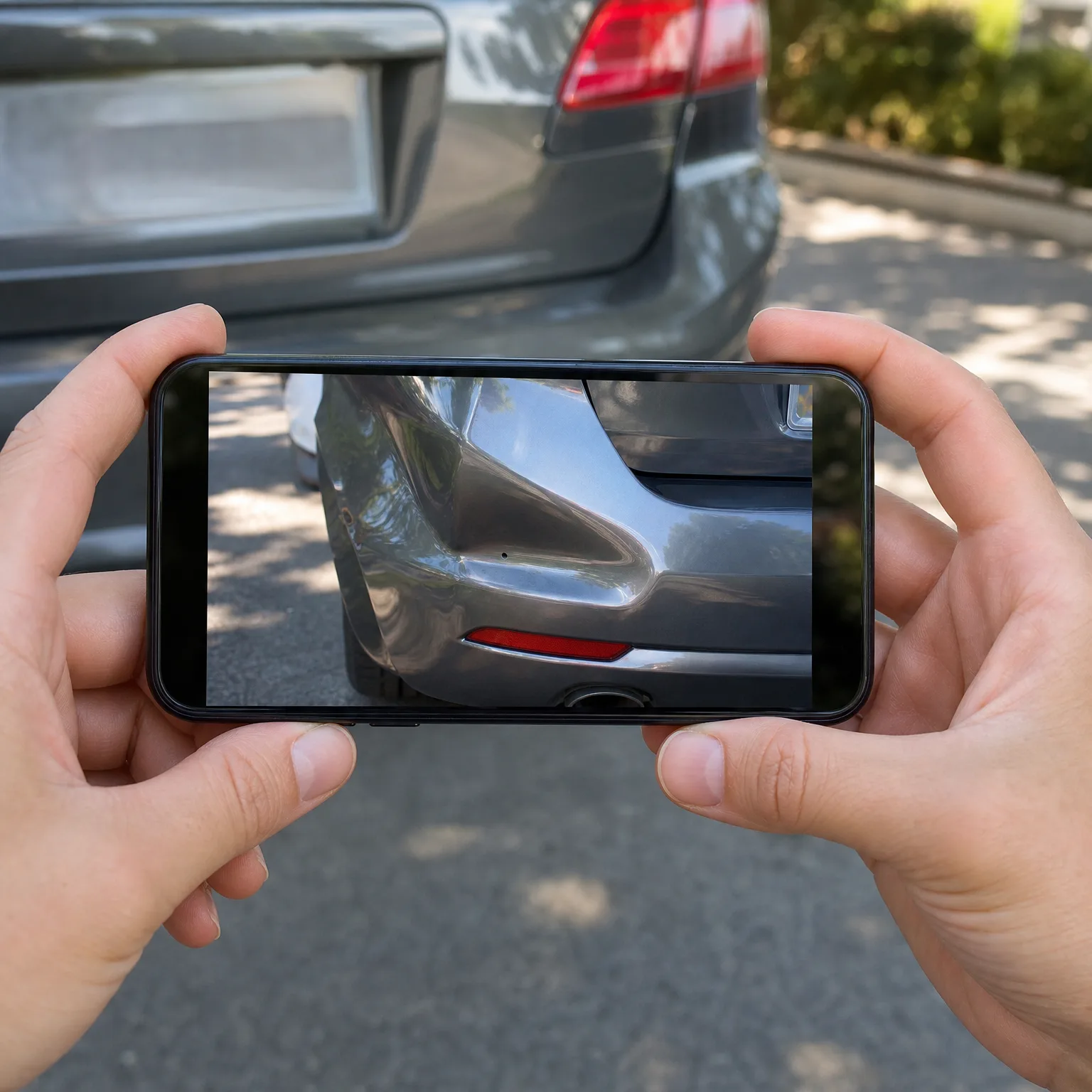
You're stopped at a red light and the car behind you doesn't stop in time. The damage is to your rear bumper and trunk, and your neck is sore for a few days afterward. The police report lists the other driver as at fault for following too closely. You exchange insurance information at the scene, then call the other driver's insurance company the next morning to start a claim.
Their insurer assigns an adjuster, who reviews the police report and photos you both took, and confirms their driver was at fault. They authorize repairs to your car at a shop of your choosing and provide a rental car while the work is done. A few weeks later, your doctor's visit for the neck pain is also covered through the same claim. Nothing comes out of your own policy, and your own rates aren't affected, because the claim was paid entirely through the other driver's liability coverage.

Whether you file through your own policy or theirs
If you do
Filing through your own policy first, using collision coverage, often gets your car repaired faster since you're dealing with your own insurer. Your insurer then seeks reimbursement from the at-fault driver's insurer. You may pay your deductible upfront, but you typically get it back once your insurer recovers the cost.
If you don't
Waiting on the other driver's insurer to investigate and approve the claim can take longer, especially if fault is disputed or their insurer is slow to respond. Your car sits unrepaired longer and you may need to arrange your own rental car in the meantime, paying out of pocket until the claim resolves.
Now that you know how a not-at-fault claim works, compare quotes to make sure your own coverage would back you up.
What to check so you're actually covered when it isn't your fault
- The other driver's limits Their liability limits cap what their insurer will pay you, no matter how bad the damage is. If your costs exceed their limits, you're left covering the difference unless you have your own protection.
- Your uninsured motorist coverage This part of your policy pays you when the at-fault driver has no insurance or not enough. Check whether you have it and what limits you chose, since it's often optional.
- Collision coverage as backup Collision coverage can pay for your repairs right away while fault is still being sorted out. You may pay a deductible upfront, but it can get reimbursed once the other insurer accepts fault.
- How your state handles fault Some states assign fault differently or limit how you can recover costs between drivers. Check your state's rules so you know what to expect if liability is disputed.
- Documentation from the scene Photos, the police report, and witness information all support your claim with the other insurer. Gather these at the time of the crash, since they're harder to get later.
Does filing a claim after an accident that wasn't my fault raise my rates?
Usually not, if the claim is paid entirely through the other driver's liability coverage, since the fault determination is attached to their policy, not yours. Some insurers do consider any claim history when pricing renewals, even not-at-fault ones, so it varies by company. Check your insurer's policy on this directly, and ask whether a not-at-fault claim is coded differently from an at-fault one in their system.
What if the other driver's insurance company denies my claim?
You can appeal, request a re-investigation, or file through your own policy using collision or uninsured motorist coverage while the dispute continues. Denials happen when fault is unclear or disputed, so having your own documentation and police report matters. If the denial seems wrong, you can also contact your state's insurance department, or consult an attorney if the damages are significant.
Can I choose my own repair shop after a not-at-fault accident?
Yes, you generally have the right to choose your own repair shop, even when the other driver's insurer is paying. Insurers sometimes recommend a shop in their network, which can mean faster claim processing, but you're not required to use it. Check your state's rules and the specific insurer's process, since steering practices and guarantees on repair work can differ.