What Does Medical Payments Coverage Include
Medical payments coverage pays medical bills for you and your passengers after a crash, no matter who caused it.
What it actually pays for
- Hospital and doctor bills It covers emergency treatment, surgery, X-rays and follow-up care from the crash. You don't need to prove fault for it to pay.
- You and your passengers Anyone riding in your car is covered, along with you as a pedestrian if a car hits you. This matters if you sometimes drive others around.
- Funeral costs in some cases Some policies include funeral expenses tied to the crash. Check your declarations page to see if this is listed.
- No fault requirement It pays regardless of who caused the accident, unlike liability coverage. That makes it useful even in a crash that was your fault.
- A set coverage amount Once the amount on your policy is used up, this coverage stops paying. Anything beyond that shifts to health insurance or other coverage.
A rear-end crash with a passenger in the car
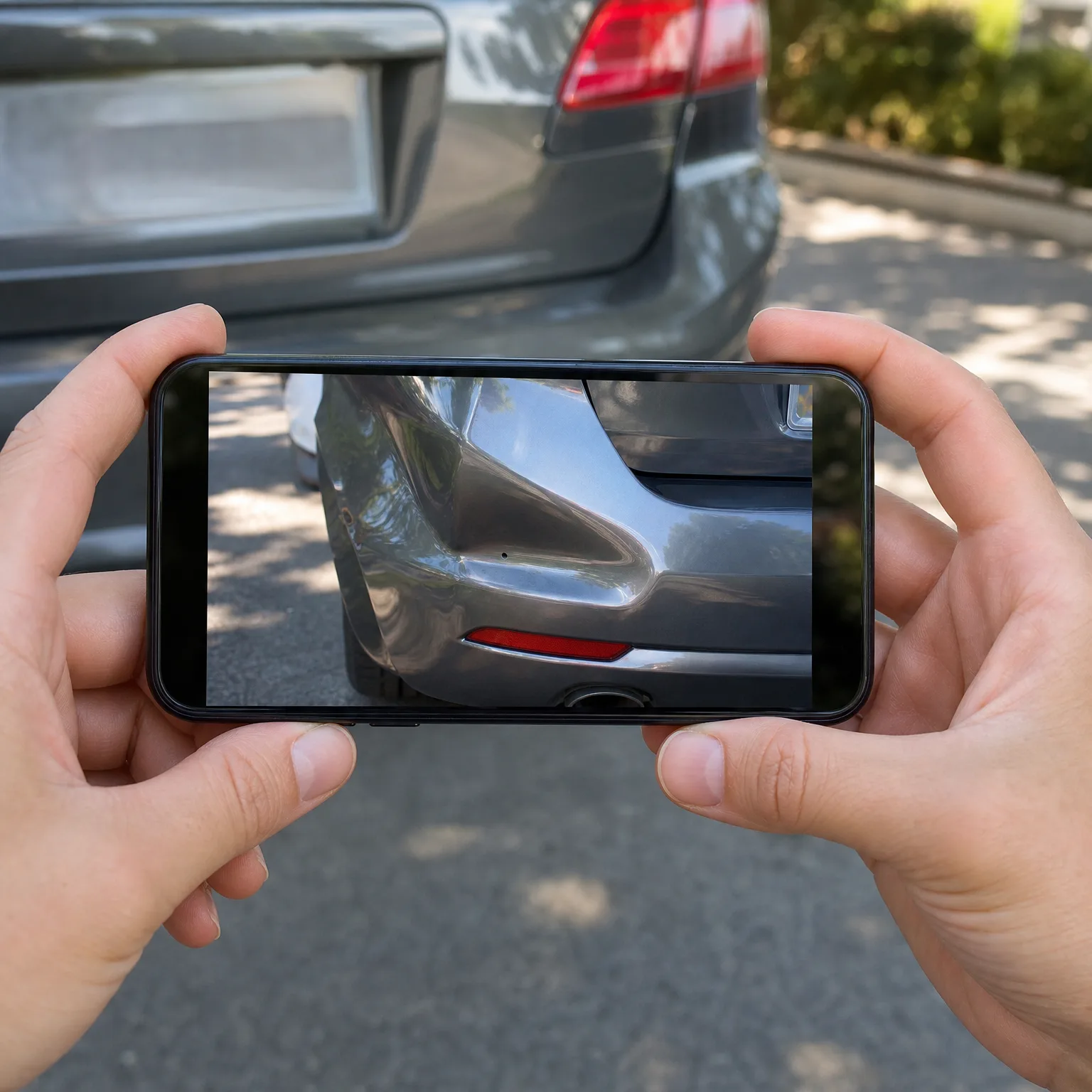
Say you're stopped at a light and someone hits you from behind. You and a friend riding with you both go to urgent care for whiplash. The other driver is clearly at fault, but their insurer takes time to investigate and accept liability. In the meantime, you have bills due.
This is the situation medical payments coverage is built for. You call your insurer, not the other driver's, and your policy pays the urgent care visit and the follow-up appointment for both you and your passenger. You're not fighting over fault or waiting on someone else's claims process. Weeks later, the other driver's insurer accepts responsibility and reimburses your insurer behind the scenes. You never had to think about that part. The bills got paid quickly, which is what this coverage is for, and the fault question got sorted out separately and later.

Whether you keep this coverage on the policy
If you do
Bills from a crash get paid quickly, without waiting to find out who was at fault. If you carry passengers often, or don't have strong health insurance, this closes a gap that would otherwise come out of your pocket.
If you don't
You rely on health insurance or the other driver's liability coverage, which can take longer and may leave gaps like deductibles or copays. If you have solid health coverage already, dropping this may just mean one less line on your bill.
Now that you know what this coverage covers, compare quotes to see what it costs to add or keep it.

Is medical payments coverage the same as PIP?
No, though they overlap. Personal injury protection, or PIP, usually covers more than just medical bills, including lost wages and sometimes childcare costs, and in some states it's required. Medical payments coverage is narrower and usually optional. Some states offer one, some offer the other, and a few allow both. Check what your state requires and what your policy actually lists, since the names get used loosely.
Does medical payments coverage affect my premium much?
It usually adds a modest amount since the coverage amounts are relatively small compared to liability or collision. The effect on your premium depends on your insurer and the amount you choose. If cost is a concern, ask your insurer directly what adding or removing it changes on your bill, since it varies by company.
Can I use medical payments coverage if I'm a passenger in someone else's car?
Yes, it typically follows you as a person, not just the vehicle. If you're hurt riding in someone else's car, your own medical payments coverage can apply, sometimes alongside theirs. Check your policy's language, since some are written to cover you in any car and others are more limited.
This coverage exists to get your bills paid fast, not to settle who was at fault.