What Does Usage-Based Car Insurance Mean
Usage-based insurance ties your rate to how the car is actually driven, which matters if that car barely moves anymore.
It prices the car on what happens now, not on old habits
Usage-based insurance works by replacing some of the guesswork insurers normally use, like age or zip code, with direct information about the car. A small device or phone app tracks mileage, and sometimes braking, speed or time of day. The insurer then adjusts the rate to match that actual pattern instead of a general estimate.
This matters for you because a policy built around someone who drove often no longer reflects what's happening if the car sits in the driveway most days. Standard policies assume a certain amount of driving whether or not it happens. Usage-based coverage can shrink the bill to match reality instead of charging for miles that aren't being driven.
It doesn't work the same everywhere. Some states limit how much driving behavior can affect price, and some insurers only track mileage without touching speed or braking at all. What counts as low mileage, and how much that lowers the rate, also varies by insurer, so it's worth checking directly rather than assuming.
There are cases where it doesn't help much. If the car is driven normally, or if someone else in the household uses it regularly, the savings may be small or nonexistent. It's a tool for matching cost to actual use, not a discount that applies automatically just by signing up.

A second car that mostly sits now
One reader had two cars on the policy, hers and her husband's. After he passed, his car stayed in the garage except for occasional errands. She kept the full policy for months out of habit, unsure what would happen if she changed anything while she was still sorting out his accounts.
When she finally called to ask, she learned the car qualified for a usage-based option since it was driven so rarely. She switched that one car over, kept her own car on the regular policy, and the combined bill dropped because the second car's rate now matched how little it was used. Nothing about her coverage changed, only how that one car's price was calculated.
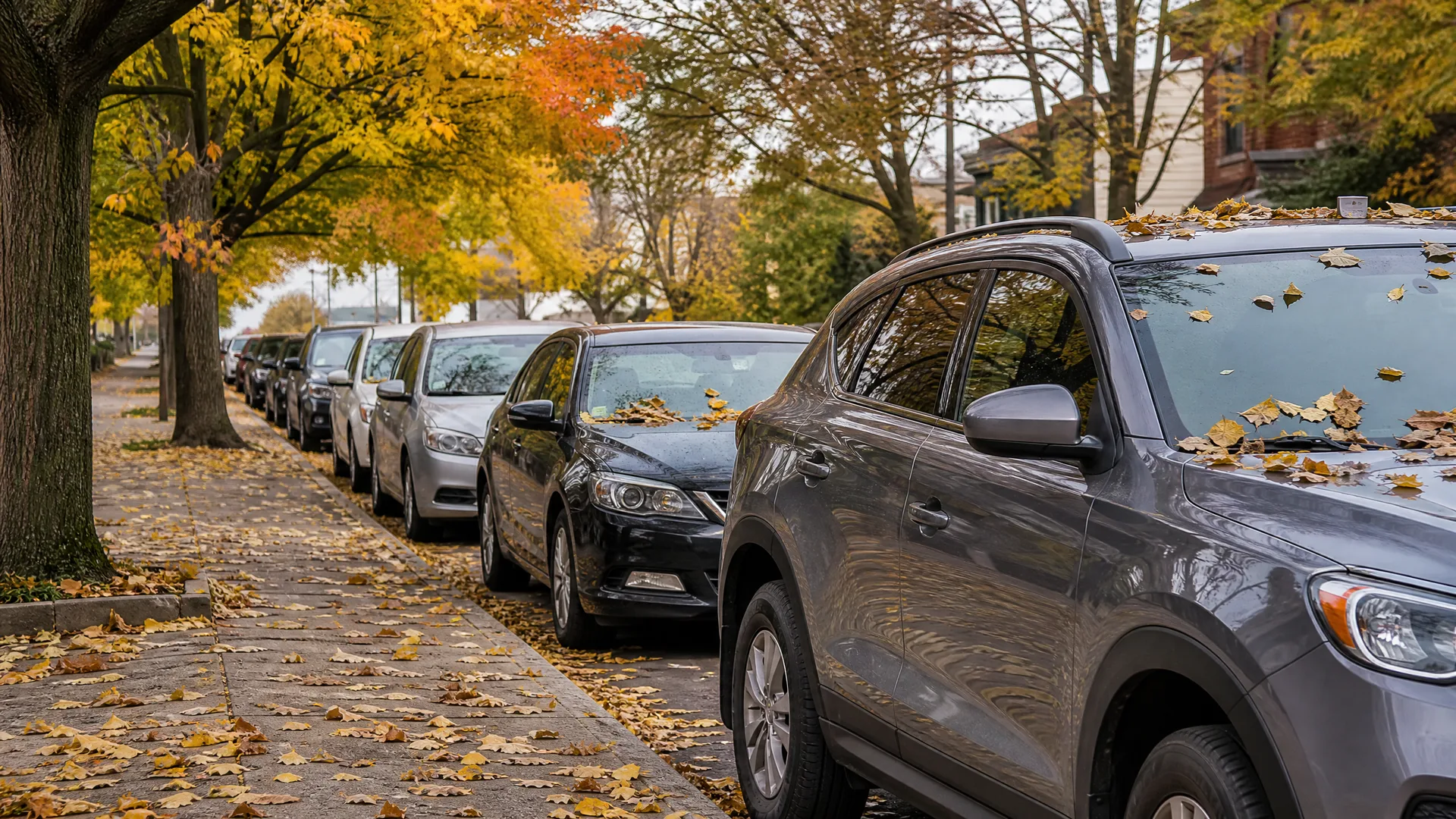
Now you understand usage-based pricing, so compare quotes to see what it saves on a rarely driven car.
Will switching to usage-based insurance affect my coverage if something happens?
No, usage-based insurance changes how your rate is calculated, not what your policy covers. The liability, collision and comprehensive protections you choose stay the same regardless of whether your rate is based on mileage or driving behavior.
What can vary is the fine print around how data is collected and used, so it's worth reading what the insurer tracks and how it factors into price. Some programs only ever lower your rate, while others can raise it if driving patterns look riskier. Checking which kind you're signing up for tells you whether there's any downside beyond simply not saving as much as hoped.
A policy doesn't have to match how the car used to be driven, it can match how it's driven now.
Does usage-based insurance track where I drive, not just how much?
It depends on the program. Some only measure total mileage, while others also track speed, braking or time of day, which can include general location data. If privacy is a concern, ask the insurer exactly what's collected before enrolling, since this varies widely between companies and isn't always obvious from marketing materials.
Can I switch a car back to a regular policy if usage-based doesn't help?
Yes, usage-based programs are typically optional add-ons, not permanent changes. If the tracked data doesn't lead to savings, or if driving patterns change, you can usually switch back to a standard rate. Check how long the trial period lasts and whether switching back requires a new policy term or can happen anytime.
What happens to the device or app if I sell the car later?
You'll need to remove or deactivate it, and the process depends on whether it's a plug-in device or a phone app. A plug-in device usually needs to be returned or unplugged before the sale, while an app can simply be uninstalled. Ask the insurer about their specific return or cancellation steps so you're not billed after the car is gone.