What Happens if a Car Hits Me and I Only Have Liability
The other driver's liability coverage pays for your damage and injuries, since your own liability-only policy doesn't cover you at all.
What your liability-only policy does and doesn't do
- Your coverage pays others Liability only covers damage and injuries you cause to someone else. It was never going to pay for your car or your injuries, crash or no crash.
- Their insurer is who pays If they caused the crash, their liability coverage should pay for your car and your medical bills. You'll file a claim against their policy, not yours.
- Fault has to be established Payment depends on them being found at fault. Get a police report, photos and witness information at the scene so fault isn't a dispute later.
- Their limits may fall short If your damage or medical costs are high, their policy limits may not cover it all. Check what coverage you have for this gap before you need it.
- A lawyer may be worth a call If injuries are serious or the other insurer is slow or difficult, a consultation can clarify what you're owed. Many offer a free first call.
The short version
If another driver hits you, their liability coverage pays for your car and injuries, not yours. You'll need their insurance information, a police report, and patience with their claims process. If their coverage seems too thin for your damage, ask your agent what else you have.
A rear-end crash at a stoplight
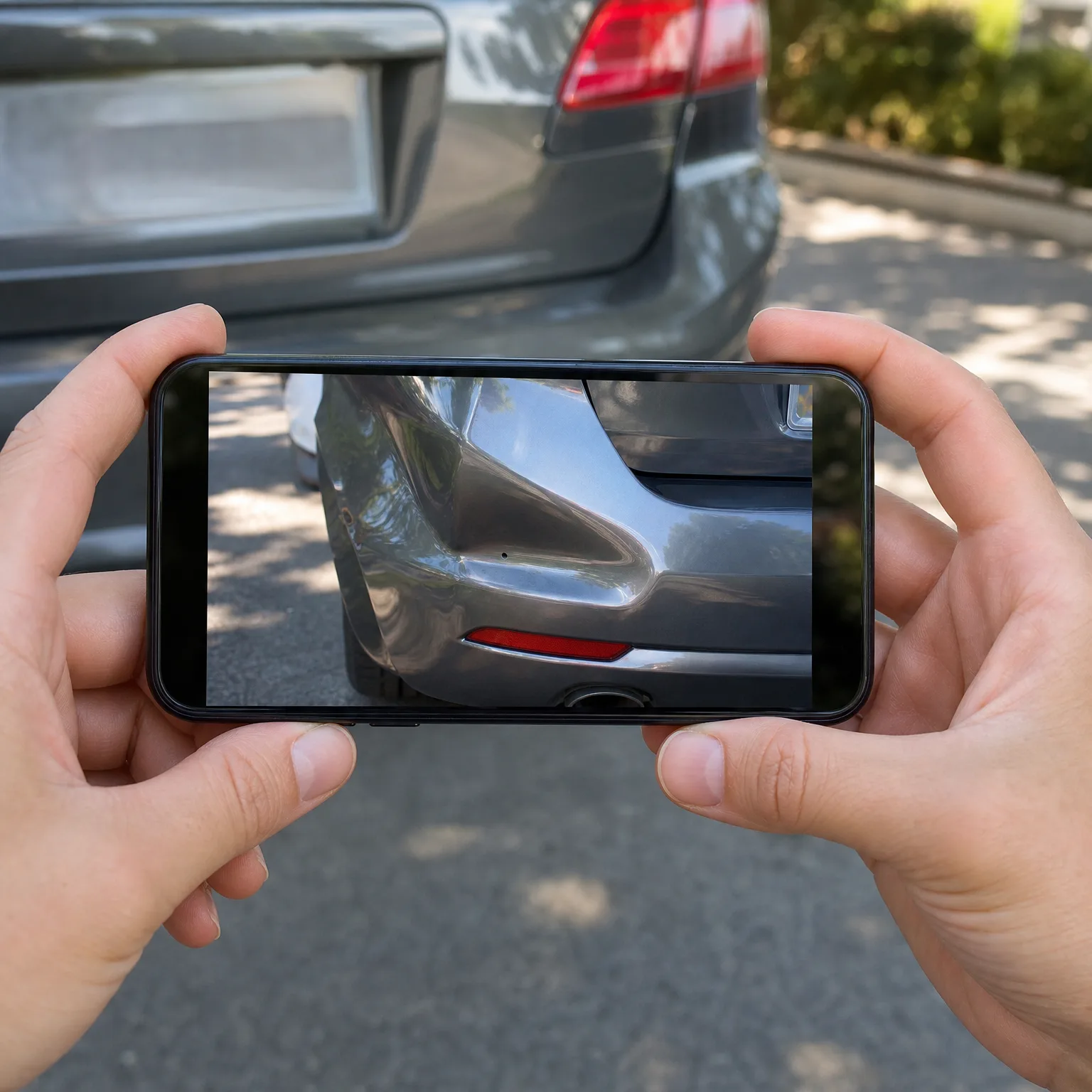
You're stopped at a light and someone rear-ends you. Your car has real damage and your neck hurts the next day. You only carry liability, so your first instinct might be to call your own insurer and ask what they'll do. The answer is not much, because your policy was built to pay for damage you cause, not damage done to you.
Instead, you exchange information with the other driver, take photos of both cars and the scene, and get a copy of the police report once it's filed. You call the other driver's insurance company and open a claim against their liability coverage. Their adjuster reviews the report, agrees their driver was at fault, and pays for your car repairs and your medical visits. It takes a few weeks longer than if you'd filed with your own insurer, but the outcome is the same bill, paid by the right party.
Now that you know whose coverage pays after a crash, compare quotes to see what it costs to add protection of your own.
Should I add more coverage so I'm not relying on the other driver's insurance?
That depends on how comfortable you are depending entirely on someone else's policy and someone else's insurer. If the other driver has thin coverage, no coverage, or their insurer drags its feet, you could be left covering costs yourself unless you have protection on your own policy.
Coverage that pays regardless of fault, or that fills in when the other driver is underinsured, exists specifically for this situation. It costs something to add, but it means your claim doesn't depend on someone else's insurance being enough or their insurer cooperating. Ask your agent what options exist in your state, since what's available and what it's called can vary.
Your own liability policy can't help you here, so the real question is the other driver's coverage.
What if the other driver doesn't have insurance at all?
Then there's no liability policy to pay your claim, and you're left covering your own costs unless you have your own protection for this situation. This is exactly what uninsured motorist coverage is for, and it pays as if you were hit by an insured driver. Check whether your state requires it or whether it's optional, since that changes whether you already have it without realizing.
How long does the other driver's insurer have to pay my claim?
There's no universal deadline, it depends on your state's rules and how quickly fault and damages can be confirmed. Straightforward cases with clear fault and a police report often move faster. Delays usually come from disputed fault, incomplete documentation, or high medical costs still being tallied, so ask the adjuster directly what's holding things up if it stalls.
Will my own insurance rates go up if someone else hits me?
Usually not, since the crash isn't your fault and the claim is being paid by the other driver's insurer, not yours. Some insurers do consider any claim history when they set future rates, even ones where you weren't at fault, so it's worth asking your insurer directly how they handle it. Policies and practices differ enough that you shouldn't assume either way.