What Happens if a Car Is Not Driven for a Month
Nothing automatically happens to the policy itself, but you have a real decision to make about what kind of coverage still makes sense.
Coverage doesn't expire from disuse, but risk doesn't disappear either
An insurance policy is tied to a time period you paid for, not to how many miles the car actually moves. So a car that sits in a driveway for a month is still covered exactly the same as one driven every day, as long as premiums are current. Nothing about non-use triggers a cancellation or a change in terms on its own.
What changes is whether that full coverage still matches the actual risk. A parked car can still be stolen, hit by another driver, damaged by weather, or vandalized. That's why liability and comprehensive coverage still matter even when no one is behind the wheel. The one coverage that stops making sense is the part tied to driving itself, since there's no accident risk from a car that never leaves the spot.
This is also where insurers differ quite a bit. Some allow you to drop collision coverage temporarily while keeping comprehensive, often called a reduced or storage-type policy. Others require the car stay on an active policy at some minimum level, or they treat any change as a full policy edit rather than a temporary pause. A few states also have rules about what counts as a registered, insurable vehicle, and dropping certain coverage can conflict with registration requirements.
The practical split is this. If the car could still be stolen or damaged while parked, you want coverage for that. If the only risk you're paying for is driving-related, that's the part worth asking about. The right move depends on your insurer's specific rules and your state's registration rules, so a direct question to both is worth more than a guess.
Should you cancel the policy entirely instead of just adjusting it?
Probably not, and this is the choice that causes the most regret. Canceling a policy entirely means the car has no protection at all while parked, and it can also disconnect the insurance history tied to that vehicle and that driver. Many insurers use continuous coverage as a factor in future pricing, so a gap can cost you later even if nothing happens to the car during the gap itself.
A better path is usually asking your insurer about reducing coverage rather than ending it, especially if the car won't be driven for a defined period. If you truly don't plan to use the car again, canceling only after you've sold it or formally taken it off the road, with the registration handled too, avoids leaving a window where something goes wrong and nothing is covered.
Once you know whether to adjust or keep the policy as is, compare quotes to see what that choice actually costs.
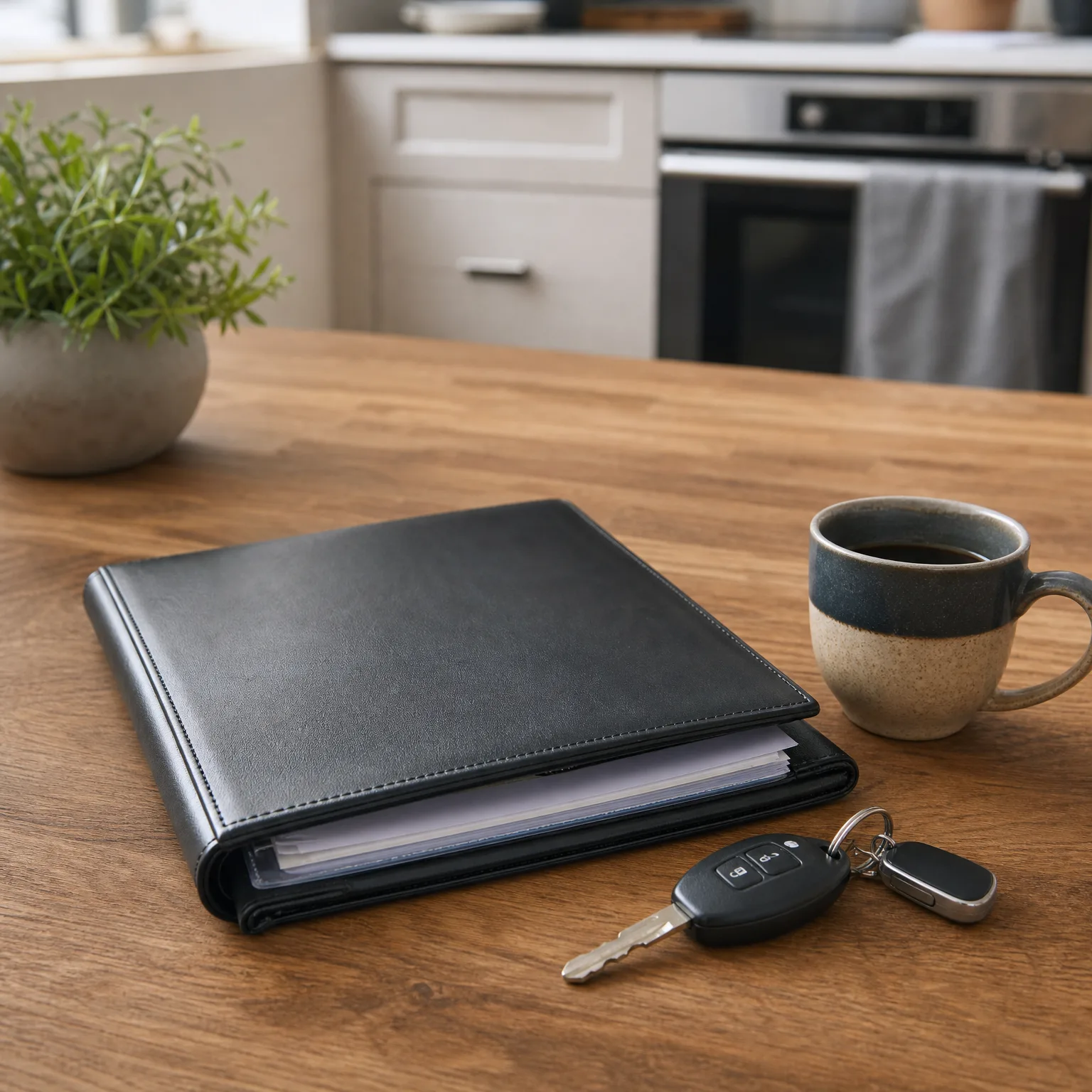
What actually matters when a car sits unused
- Comprehensive coverage This covers theft, weather, and damage while parked, which is exactly the risk a sitting car still has. Keep this active unless you've removed the car from the road entirely.
- Collision coverage This only matters if the car is being driven. If it genuinely won't move for a while, ask your insurer whether this piece can be paused.
- Registration rules Some states require active insurance to keep a car legally registered, regardless of use. Check your state's rules before dropping any coverage tied to registration.
- Battery and mechanical issues A month of sitting can affect the battery, tires, and fluids, which isn't an insurance issue but can turn into one if it leads to an accident later. Start and check the car periodically if you can.
- Storage policies Some insurers offer a specific reduced-coverage option for vehicles not in use. Ask directly rather than assuming your current policy already accounts for this.
A second car sitting in the garage after a move
Say one car became the only one driven regularly, while a second car sat untouched in the garage for a month during a transition. The owner wasn't sure whether to keep paying full coverage on a car nobody was using, but also didn't want to cancel it outright since it would likely be driven again soon. The first step was calling the insurer directly and asking what options existed short of full cancellation.
The insurer offered to drop the driving-related coverage while keeping comprehensive active, since the car was still at risk of theft or damage sitting in the garage. This cut the cost without leaving the car unprotected. When the car started being driven again a few weeks later, the owner called back and the full coverage was reinstated with no lapse and no issue with insurance history. The whole thing took two phone calls and avoided both overpaying and the risk of a true gap in coverage.
The real decision isn't whether to keep insurance, it's which parts still apply to a car that isn't moving.