What Happens if a Car Is Not Used for 6 Months
Nothing happens automatically. The policy stays exactly as you left it until you call and change it.
A parked car still needs a decision, not just time passing
- The policy keeps renewing If no one cancels it, the insurer keeps billing and covering the car as if it's still driven daily. You have to call to change that, it won't adjust on its own.
- Full coverage may be overkill If the car isn't moving, liability coverage for driving it matters less than protection against theft or damage while parked. Ask about switching to a storage or comprehensive-only option.
- Lapsing coverage has a cost Dropping the policy completely can mean starting over with no history when you insure the car again. Ask the insurer what a pause or reduced coverage looks like instead of a full cancellation.
- Registration still matters An unused car can still owe registration fees or need emissions checks depending on where you live. Check your state's rules before assuming parked means exempt.
- Someone has to own the policy If this was your spouse's car and policy, the account may need to move into your name before you can change anything. Call the insurer and ask what they need to make you the policyholder.
Should you cancel the insurance entirely or just reduce it?
Reducing it is usually the better move, not cancelling it outright. Most insurers offer a stored-car or comprehensive-only option that drops the cost of driving-related coverage while keeping protection against fire, theft, weather, and falling objects. That keeps the car insured against the things that can still happen to it sitting still, without paying for coverage you don't need right now.
Cancelling completely makes sense only if you're certain the car won't be driven again soon, maybe because you're selling it or it's not running. Even then, ask the insurer what happens to your coverage history. A gap on record can raise costs later if you ever insure another car, so it's worth asking before you end the policy rather than after.

Calling the insurer about the unused car
If you do
You tell them the car isn't being driven and ask about reduced coverage. They adjust the policy, often lowering the cost, and the car stays protected from theft and damage while parked. You keep a continuous insurance record, which matters if you drive it again later.
If you don't
The policy keeps renewing at the same cost as if the car were driven daily. You pay full price for coverage you don't need, and no one has confirmed what the title, registration, or coverage situation actually is. The paperwork just sits there, unresolved.
Once you know whether to reduce or cancel coverage on the unused car, compare quotes to see what it costs.
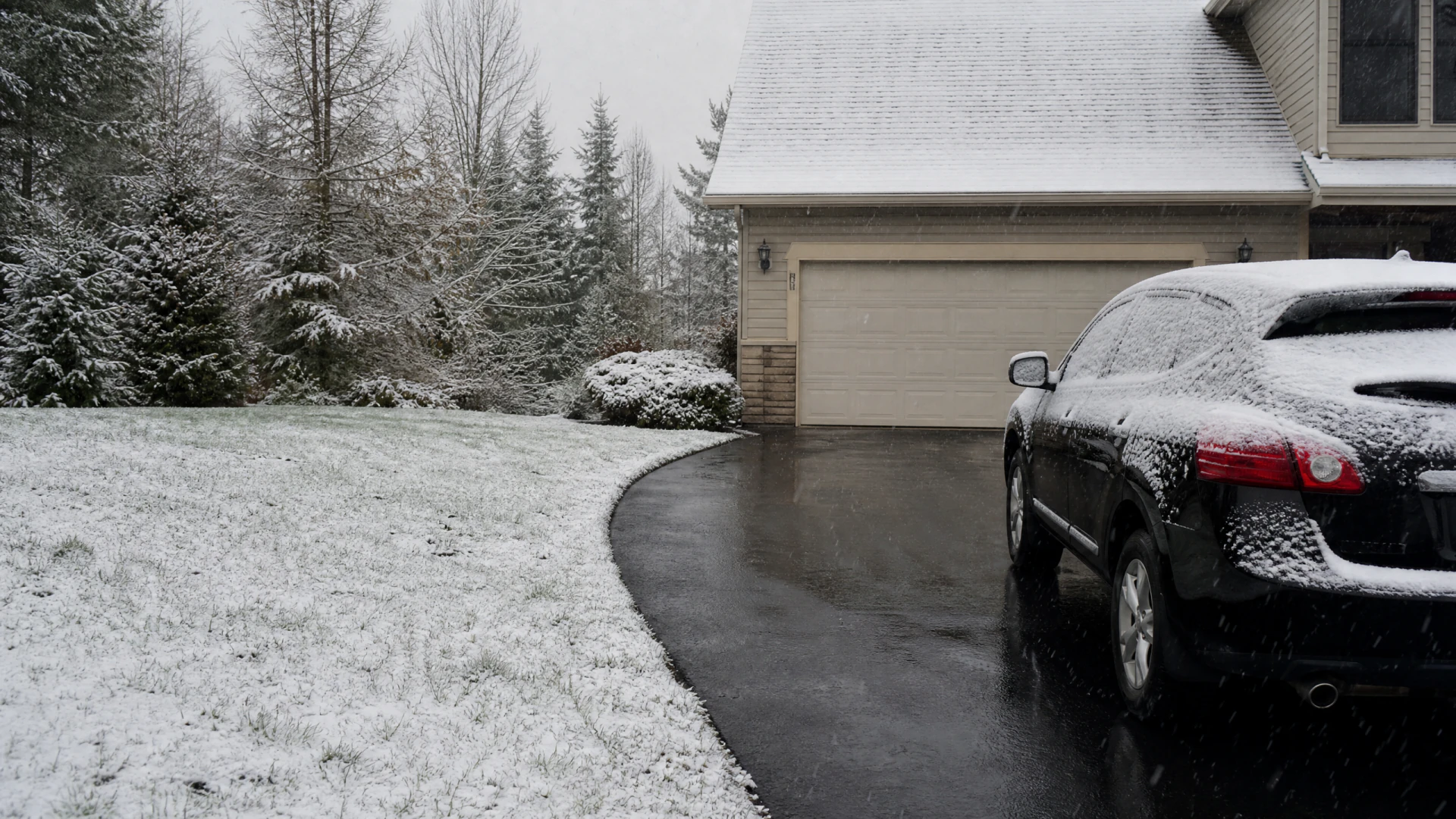
A second car sitting in the driveway since spring
After her husband passed, Carol realized his truck hadn't moved in months. It was still insured under his name, full coverage, same as always, and she wasn't sure if she was even allowed to change it since the policy wasn't hers. She called the insurer, explained the situation, and asked what needed to happen.
They walked her through adding herself as the policyholder, which took a death certificate and a short form. Once that was done, she asked about the truck specifically. Since nobody was driving it, they switched it to a stored-car option that dropped the driving coverage but kept it protected against theft and weather. She decided to hold off deciding whether to sell it, and the lower cost meant that decision didn't have to be rushed. A few months later, when her son needed a vehicle, the truck still had continuous coverage and was simple to switch back to full use.

Can I remove a car from my policy without cancelling the whole policy?
Yes, you can usually remove one car while keeping the rest of your policy active. Call the insurer and ask them to take that vehicle off, which should lower your total cost since you're no longer covering it to be driven. Ask specifically whether removing it fully cancels its coverage or whether a stored-car option is possible instead, since full removal means no protection at all for theft or damage.
Does a car need insurance if it's not registered or driven at all?
It depends on your state, so check your local rules before assuming you're exempt. Some states only require insurance if the car is registered, meaning you could cancel both together. Others still expect proof of insurance or require you to file paperwork declaring the car off-road to avoid both registration and insurance requirements legally.
Will my rates go up if I add the car back later?
Not necessarily, especially if you kept some coverage the whole time instead of cancelling completely. Insurers generally look favorably on continuous coverage history, while a gap can sometimes raise your cost when you reinsure a vehicle. Ask the insurer directly what reactivating a stored-car policy to full coverage would look like before you decide how to handle the gap.