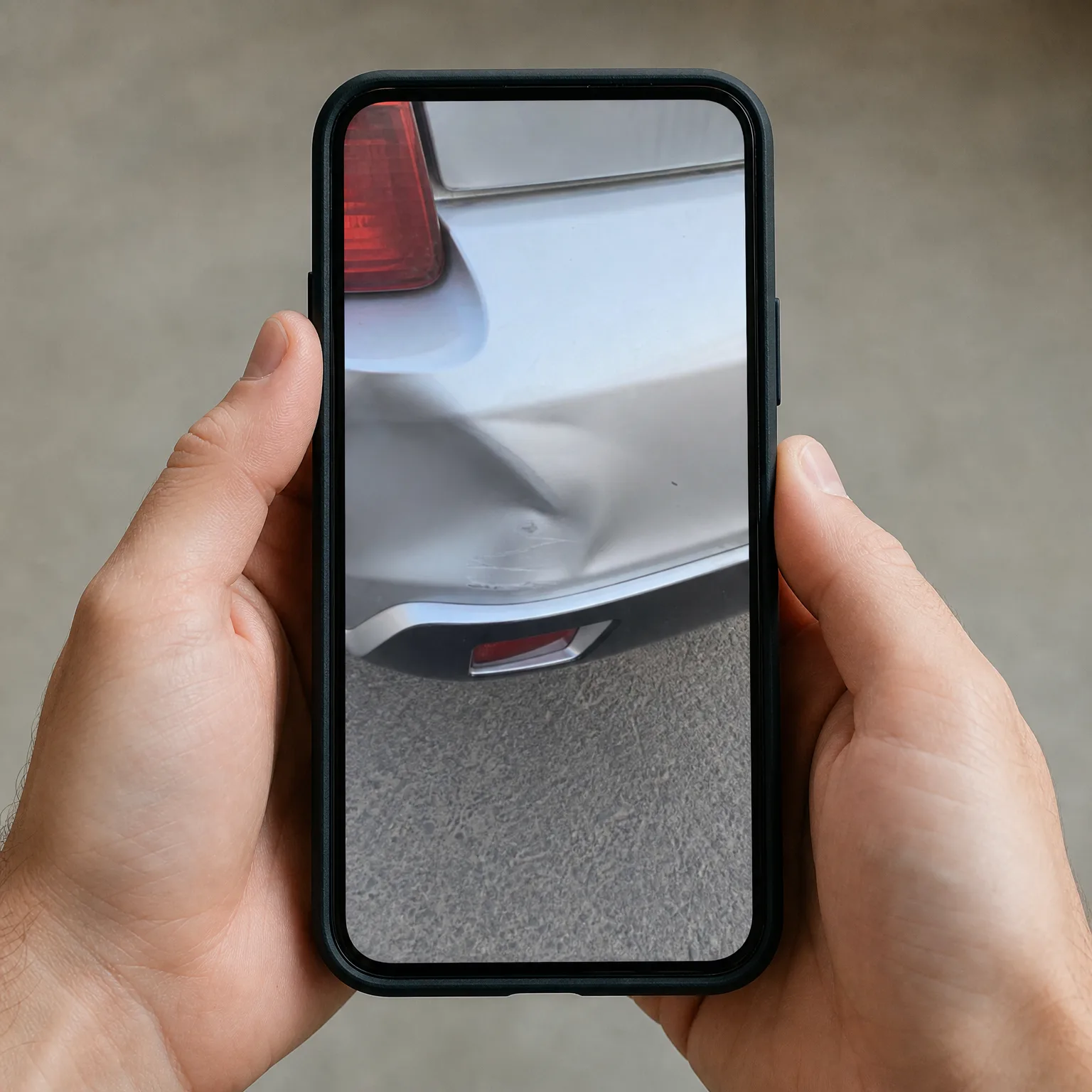
What Happens if a Non-Listed Driver Gets in an Accident
In most cases your policy still pays, because coverage follows the car, but a few situations can change that answer.
Coverage follows the car, not just the names on the policy
Car insurance is built around the vehicle first. The policy you hold is meant to cover that car no matter who is behind the wheel, as long as that person had a reasonable belief they could use it. This is why a friend borrowing your car for an afternoon, or a grown child visiting and taking it to the store, is usually still covered if something happens.
The exceptions come from patterns, not one-time use. If someone drives your car regularly, insurers expect that person to be listed on the policy. A household member who uses the car every week, or someone who has moved in with you, starts to look less like an occasional driver and more like someone who should be named. If an accident happens and the insurer learns this person drives often but was never disclosed, they may question why that person wasn't listed, and that can affect how smoothly the claim goes.
State rules and individual insurer rules both matter here, and they don't always match. Some states lean on the idea that permission is enough. Others give more weight to who actually lives in the household. Your insurer's own contract language also matters, since some policies spell out household member rules more strictly than others. This is worth checking directly with your insurer, especially if your household has changed recently.
The other variable is what kind of coverage applies. Liability coverage for damage to others tends to follow the car reliably. Coverage for your own car, like collision or comprehensive, can sometimes depend more on the details of who was driving and why. None of this means you did something wrong by lending your car. It means the specifics of the situation shape the answer, and checking them now costs you nothing.

What actually determines whether the claim gets paid
- Permission to drive If you gave the person permission, even casually, that usually counts. Keep this in mind if you're ever asked to explain the situation to an adjuster.
- How often they drive the car Occasional use is different from regular use. If someone drives your car often, call your insurer and ask whether they should be added.
- Where you live Rules about household members and unlisted drivers vary by state. Check your state's approach instead of assuming it matches what you've heard elsewhere.
- What type of coverage applies Liability for other people's damage tends to follow the car reliably. Coverage for your own car can be more sensitive to who was driving, so ask your insurer directly.
- What your policy document says Some policies define household members and excluded drivers explicitly. Read that section once, so you're not guessing during an actual claim.

Deciding whether to add someone to your policy
If you do
You tell your insurer about the person and they review the details. Your premium may change, but your coverage is on solid ground no matter how often that person drives. If an accident happens, there's no question about who should have been listed, and the claim moves forward without that extra scrutiny.
If you don't
Your policy still likely covers occasional, permitted use. But if that person drives regularly and an accident happens, the insurer may ask why they weren't listed. This can slow down the claim, and in some cases affect how it's paid, even if coverage ultimately applies.
Once you know whether this driver needs to be listed, compare quotes to see what that decision costs.

A grown child who keeps borrowing the car
Say your adult child moved back home for a few months and started using your car to get to work most days. You hadn't thought to add them, since it felt temporary. One afternoon they were in a minor accident, nobody hurt, but the other car needed repairs.
You called your insurer before filing, since you weren't sure how the frequent use would look. They walked through how often your child had been driving and confirmed it crossed into regular use, not occasional borrowing. The claim still went through, but your insurer recommended adding your child to the policy going forward, since the arrangement wasn't actually temporary anymore. You did that the same week, and the next renewal reflected it cleanly, with no surprises.
Will my rates go up if an unlisted driver causes an accident?
They might, and that's usually tied to the claim itself rather than the fact that the driver was unlisted. Insurers generally adjust rates based on the cost of what happened and whether a claim was filed, not specifically on who was behind the wheel, as long as that person was allowed to drive the car.
Where it gets more complicated is if the insurer determines the person should have been listed and wasn't. That can sometimes affect future pricing or renewal terms, separate from the claim itself. This is another reason to ask your insurer directly if someone has started driving your car regularly, so you know where you stand before anything happens, rather than finding out during a claim.