What Happens if Damage Is Less Than Deductible
If the repair costs less than your deductible, you pay the whole thing yourself, because insurance only starts above that line.

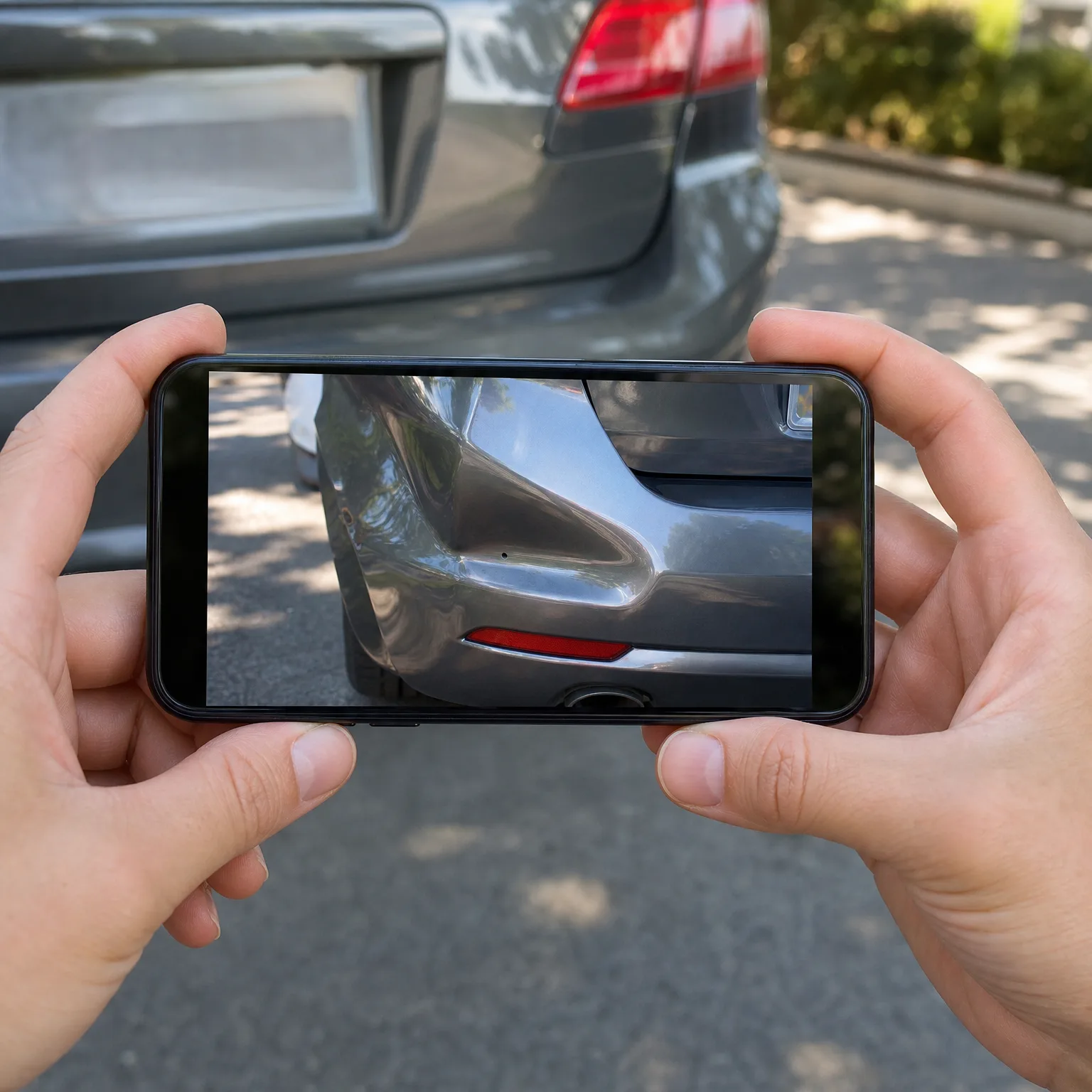
A cracked bumper after a parking lot bump
You come out to find your bumper cracked and a taillight broken. You get a repair estimate and it comes back lower than your deductible. You call your insurer out of habit, ready to start a claim, and the agent asks for the estimate before doing anything else.
Once you compare the number to your deductible, the answer is simple. You pay the shop directly, the same way you'd pay for an oil change, and you never file a claim at all. The policy stays untouched, your record stays clean, and the only cost is the repair bill itself, which you were going to owe either way once you knew the number.
Should you still report the damage to your insurer?
You're not required to, and for most minor damage under your deductible, there's no real benefit to calling it in. A claim only matters if the insurer is going to pay something, and if the cost is below your deductible, they won't.
The one exception is if another driver was involved, even for small damage. Some insurers want the incident on record in case the other driver later claims more damage than you saw, or disputes what happened. Check your policy or ask your agent whether single-car, no-injury damage needs to be reported at all, since this varies by insurer.

Your deductible isn't a discount. It's the line where insurance starts, and below it you pay.
Once your deductible decides who pays for small damage, compare quotes with one that fits how you drive.

Filing a claim anyway when damage is below your deductible
If you do
The insurer reviews the estimate, confirms it's below your deductible, and closes the claim with no payment. But the claim still shows in your history, and some insurers factor that into future pricing, even when nothing was paid out.
If you don't
You pay the shop directly and move on. Nothing goes on your insurance record, your next renewal isn't affected, and you've lost nothing by skipping a claim that was never going to pay you anything.
What to do when damage comes in under your deductible
- Get the estimate first Before calling your insurer, get a real repair estimate. You can't compare the cost to your deductible until you know what the repair actually costs.
- Pay it yourself If the estimate is below your deductible, pay the shop directly. Filing a claim won't get you any money since the insurer only pays above your deductible.
- Check claim history impact Some insurers weigh any claim, even a paid-nothing one, when pricing renewals. Ask your agent whether a zero-payout claim shows up the same as a paid one.
- Know your deductible by coverage Collision and comprehensive often carry different deductibles. Check which one applies to your situation before you estimate whether you're above or below it.
- Reconsider your deductible If you keep finding damage lands below it, your deductible may be set higher than fits your situation. Weigh a lower deductible against the higher premium it usually brings.
Why the deductible works this way
A deductible is the amount you agree to cover yourself before your insurer pays anything on a claim. It's not a fee or a penalty, it's the threshold built into your policy's pricing. Insurers set premiums lower in exchange for you absorbing the first portion of any loss, so when damage costs less than that amount, there's simply nothing left for the policy to pay.
This is why filing a claim for small damage doesn't help you. The insurer will calculate the repair cost, compare it to your deductible, and pay the difference only if the cost is higher. If it's lower, the payment is zero, but the claim can still exist in the insurer's records as something that was filed and reviewed, even if no money changed hands.
The only situation where this changes is when someone else is responsible for the damage. If another driver hit your car, their liability coverage pays for your repair, and your own deductible usually doesn't apply at all. That's a separate claim against their policy, not yours, so the math is different.
How insurers treat zero-payout claims on your record varies, so it's worth checking with your own insurer before deciding whether to report minor damage. Some don't count them against you at renewal, others do. That one detail can change whether reporting small damage is ever worth doing, even when you know it won't pay out.