What Happens if I Let My Insurance Policy Lapse
A lapse means you lose coverage the moment the policy ends, and insurers will treat you as a higher risk afterward.
Insurers price you by how continuously you've been covered
Insurance companies track coverage gaps because a lapse tells them something about risk. Someone who let a policy lapse is statistically more likely to file a claim or go without coverage again, so insurers charge more to offset that uncertainty. This isn't personal. It's just how the pricing models work, and it applies whether the lapse was a few days or several months.
The length of the gap matters. A short lapse, something like a week or two while you're switching insurers or sorting out a title transfer, is treated very differently than a lapse stretching across months. Some insurers barely blink at brief gaps if you can explain them. Others apply a surcharge regardless of the reason. Which approach your insurer takes depends on the company and sometimes on the state, so it's worth asking directly rather than assuming.
There's also a difference between letting a policy lapse because you canceled it on purpose and letting it lapse by accident, like missing a payment during a hard stretch. Insurers mostly care about the gap itself, not your reason for it, though a few will ask. What they almost never forgive is a lapse that happened while the car was still being driven. That's the scenario that creates real exposure, both legally and financially.
If the car in question isn't being driven at all, the calculation changes. A policy lapse on a car that's sitting unused doesn't carry the same risk profile as one on a car still on the road. Some insurers offer reduced coverage for stored vehicles instead of full lapse, which avoids the gap entirely. It's worth asking about before you simply stop paying.
What to weigh before you let a policy lapse
- Coverage gap The moment the policy ends, you have no coverage at all. If the car is still driven, even once, you're exposed to the full cost of an accident.
- Future rate increases Insurers often charge more for a new policy after a lapse. Ask any company you're considering how they treat gaps before you commit to one.
- Registration and legal rules Many states require continuous proof of insurance tied to registration. Check your state's rules before dropping a policy on a car that's still registered.
- Unused cars need a decision too A car nobody drives still needs either insurance or a plan to stop driving it entirely, like storage status or surrendering the plates.
- Timing with other changes If you're changing names on a title or policy, coordinate the timing so you're not accidentally uninsured during the paperwork process.

Should you let the policy lapse or keep it active while you decide
If you do
If you let it lapse, you stop paying immediately, which helps if money is tight. But you have zero coverage from that moment on. If the car gets driven, towed, broken into, or damaged by weather, you pay the full cost yourself. Future insurers may also charge you more once they see the gap.
If you don't
If you keep the policy active while you sort things out, you keep paying for a car that might sit unused. But you stay protected against theft, weather, and liability if anyone drives it. You also avoid a gap that could raise future rates, buying time to decide calmly instead of under pressure.
Once you know whether to keep the policy active or let it lapse, compare quotes to see what coverage would cost.
A second car that nobody drives anymore
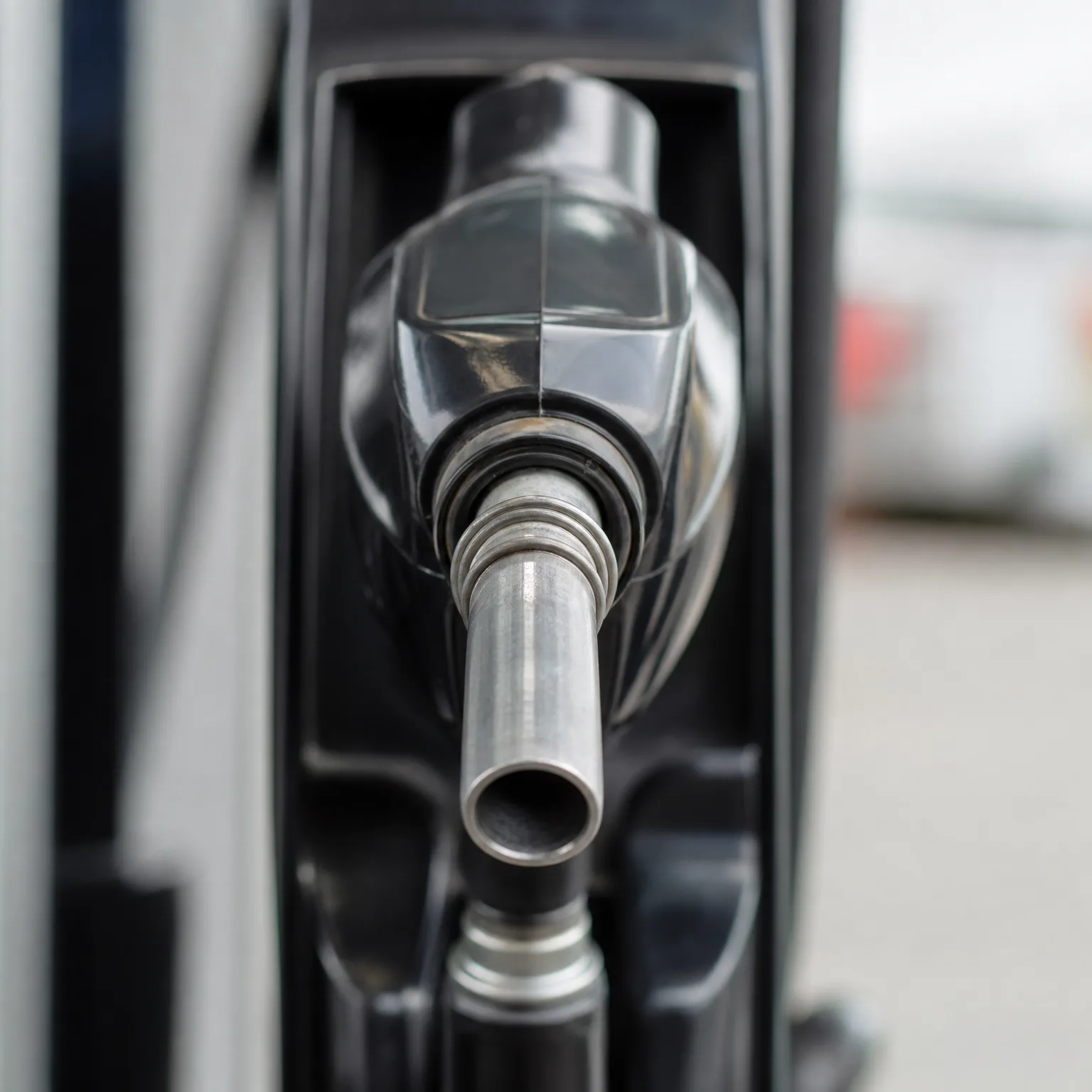
Say your spouse's car has been sitting in the driveway since they passed, and the policy is still in their name alongside yours. You're not sure if you should keep paying for it, switch it to just your name, or cancel it outright. The car still runs, but nobody's driven it in months, and you don't know yet if you'll sell it, give it to a family member, or keep it as a backup.
The safest first step is calling the insurer before touching anything, explaining that the car isn't being driven and asking what options exist short of a full lapse. Many insurers can switch an unused car to a reduced coverage status that protects against theft and damage without charging for the kind of coverage meant for active driving. This keeps you protected while you decide the car's future, and it avoids creating a gap on a vehicle that's still registered. Once you know whether you're selling, transferring, or keeping the car, you can revisit the policy with a clear decision instead of guessing under pressure.

How long can insurance lapse before it hurts my rates?
There's no universal number, since it depends on the insurer. Some overlook a lapse of a few days or weeks, especially if you can explain it, while others apply a surcharge the moment any gap exists. Ask a potential insurer directly how they handle gaps and how long of a gap triggers a rate change. If you're between policies, closing the gap quickly matters more than finding the perfect explanation.
Can I cancel insurance on a car I'm not driving anymore?
Yes, but check your state's registration rules first, since many require continuous insurance as long as a car stays registered. If the car won't be driven, consider surrendering the plates or switching to a reduced coverage option instead of a full cancellation. That keeps you compliant and still protects the car from theft or damage while it sits unused.
Do I need to tell my insurer when my spouse passes away?
Yes, because the policy and any discounts may have been based on both of you being listed, and the insurer needs accurate information to keep the policy valid. This also opens the door to adjusting coverage, removing a car nobody drives, or updating beneficiary and title details tied to the policy. Waiting too long can complicate claims or renewals later.