What Happens When a Car Is Not Driven for a Long Time
A car that isn't driven still needs a decision, because dropping coverage the wrong way can cost more than keeping it.
An unused car is still a financial and legal object, not a non-issue
A parked car doesn't stop being a liability. It can still be stolen, hit, vandalized, or damaged by weather, and if something happens to it while uninsured, you pay for all of it yourself. The title also doesn't update itself. As long as the car is registered in someone's name, most states expect it to carry at least some form of coverage, even if it never leaves the driveway.
This is why insurers offer reduced coverage for stored vehicles instead of nothing at all. Comprehensive-only coverage, sometimes called storage coverage, protects against theft, fire, and weather while dropping the liability and collision portions you don't need if no one is driving. It costs much less than full coverage but keeps the car protected and keeps your insurance history from showing a gap.
Gaps matter more than people expect. If you cancel a policy entirely and reinstate it later, insurers often treat you as a new driver with no continuous coverage, which can mean a higher starting rate. Keeping even minimal coverage in place preserves your record and avoids that penalty.
Where this changes is state law. Some states require proof of insurance to keep a car registered at all, no matter how little it's driven. Others allow you to file the car as officially unused and suspend both insurance and registration together. Check with your state's motor vehicle agency before canceling anything, since the rules decide whether storage coverage is optional or required.

A second car nobody drives anymore
After her husband passed, Carol had two cars in the garage, hers and his. His hadn't moved in two months. She didn't want to deal with selling it right away, but she also didn't want to keep paying full insurance on a car that just sat there. She called her insurer to ask what her options were before making any changes.
They suggested switching his car to comprehensive-only coverage, which dropped the cost significantly while still protecting it from theft and weather. She kept the registration active because her state required it for any titled vehicle in the garage. A few months later, once she'd decided to sell, she had the paperwork and coverage history ready to go, and the sale went through without any insurance complications holding it up.

Now that you know what to do with the car, compare quotes to find the right coverage for it.

What to check before you change anything on an unused car
- Comprehensive-only coverage This keeps theft, fire, and weather protection while dropping liability and collision. Ask your insurer if they offer it for stored or unused vehicles.
- Registration rules in your state Some states require active insurance to keep a car registered, even if it isn't driven. Check with your motor vehicle agency before canceling coverage.
- Continuous coverage history Letting a policy lapse entirely can raise your rate when you reinstate it later. Keeping minimal coverage protects your history even at low cost.
- Who holds the title If the car is still in your spouse's name, you'll likely need to retitle it before changing or canceling coverage. Start this with your state's title office.
- Keeping it versus selling it If you plan to sell soon, keep coverage active until the sale closes to avoid gaps. If you're keeping it long-term, storage coverage is usually the better fit.
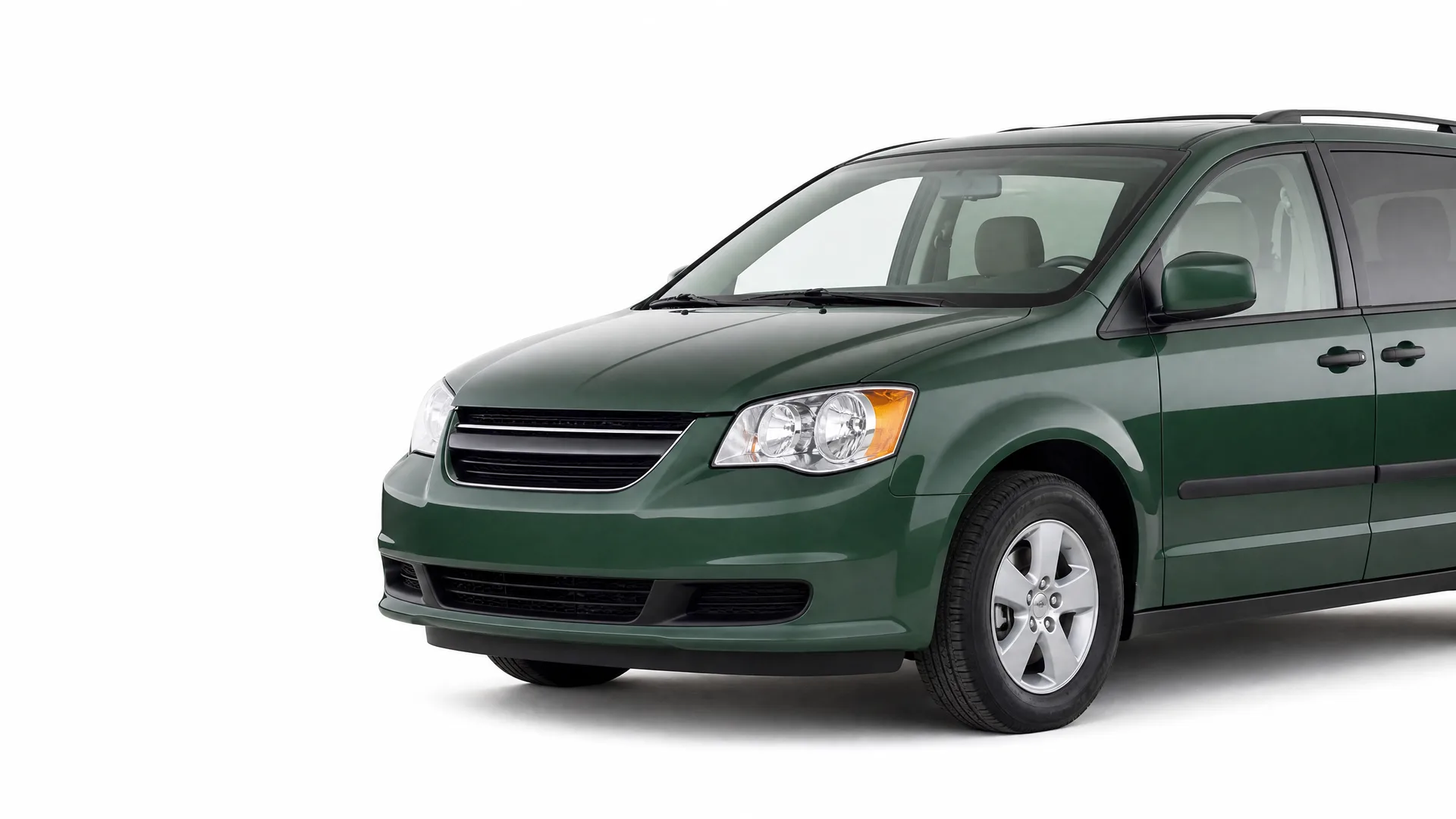
An unused car isn't a non-issue. It's still your responsibility until the title and coverage say otherwise.
Should I cancel insurance completely on a car that's never driven?
Usually not right away. Canceling entirely leaves the car unprotected from theft, fire, and weather, and it can create a gap in your coverage history that raises your rate later if you ever insure it again, or another car, under your name.
A better first step is asking your insurer about comprehensive-only or storage coverage, which costs much less than full coverage but keeps the car protected and your record continuous. If you're planning to sell the car soon or your state allows you to formally suspend both registration and insurance together, full cancellation can make sense. Check your state's specific rule before deciding, since this is one of the areas where the right answer depends entirely on where you live.