What if I Do Not Have Rental Reimbursement
Without rental reimbursement, you cover a replacement car yourself, unless the other driver was at fault and their insurer agrees to pay.

What to do when your policy has no rental coverage
- Check who's at fault If the other driver caused the accident, their liability insurance may pay for your rental. This takes longer to sort out and isn't guaranteed, so ask their insurer directly.
- Look at your credit card Some credit cards include rental car coverage as a benefit when you book with that card. Call the number on the back of your card and ask what it covers before you need it.
- Ask about a loaner Some repair shops offer a loaner car while yours is in the shop. Ask when you drop the car off, since not every shop has one available.
- Budget for the gap If none of these apply, you'll pay for a rental out of pocket until your car is back. Price out a few days of rental cost now so it isn't a surprise later.
- Decide if you want to add it If this situation bothers you, you can add rental reimbursement to your policy going forward. It's worth weighing against how often you'd actually use it.
Can I add rental reimbursement after an accident has already happened?
No. Rental reimbursement has to be on your policy before the accident happens. It's not something you can add retroactively to cover a claim that's already in progress, because insurance doesn't work that way for any kind of coverage. Once the accident has occurred, the coverage that applies is whatever was on your policy at that moment.
What you can do is add it moving forward, so if your car is in the shop for a while this time, you at least have it for next time. Think about how you'd get around without a car for a week or two. If that would be a real problem for you, work or family or anything else, it's worth adding before you renew. If you have another car in the household, or can manage without one for a stretch, you may decide it's not worth paying for every month.

Whether you add rental reimbursement now
If you do
Your policy adds a small cost to every renewal period. In exchange, if your car is ever in the shop after a covered claim, you get a rental car paid for without scrambling to cover it yourself or wait on another driver's insurer.
If you don't
You pay nothing extra now. But if your car needs repairs after a claim, you're responsible for arranging and paying for a replacement car yourself, unless another driver is found at fault and their insurer agrees to cover it.
Compare quotes now that you know what rental reimbursement would actually cover for you.
A rear-end accident with no rental coverage
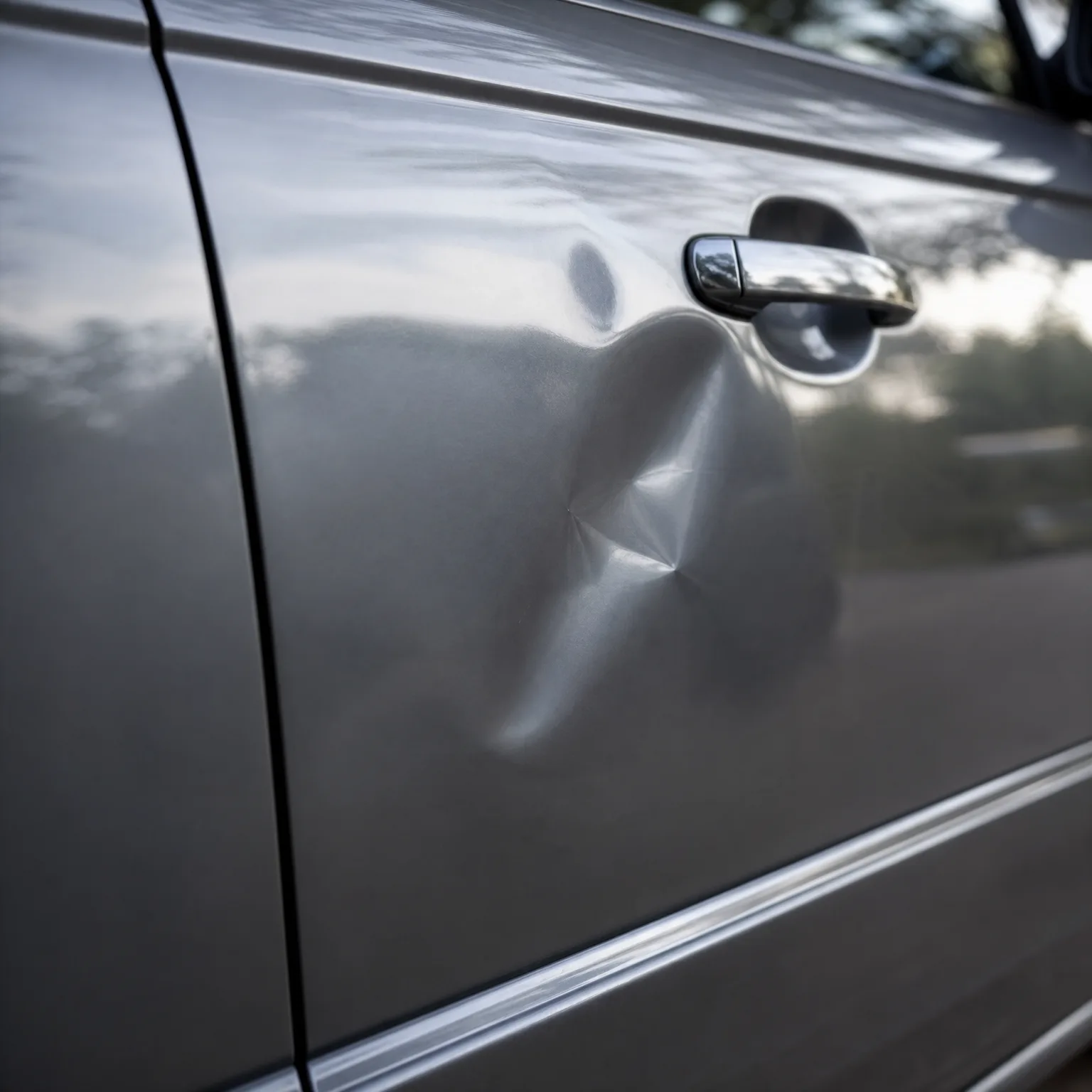
Someone rear-ends you at a stoplight. It's clearly their fault, the police report backs you up, and your car needs a week of bodywork. You don't have rental reimbursement on your policy, so you start looking at what your options actually are before the shop even finishes the estimate.
You call the other driver's insurance company and they confirm their driver was at fault, but tell you it will take a few days to process your claim before they'll pay for a rental. In the meantime you check your credit card's benefits and find it covers rental cars if you book with that card, so you use it for the first few days. Once the other insurer finishes processing, they pick up the rest of the rental cost for the remaining days your car is in the shop. You end up covered, but only because you had two backup options instead of one, and it took several phone calls to get there.
Why rental coverage works the way it does
Rental reimbursement is a separate, optional piece of your own policy, not something that's assumed or automatic. Insurers price it separately because not everyone needs it, some people have a second car, others can arrange their own transportation, and building it into every policy would raise costs for people who'd never use it.
When you don't have it, your options depend entirely on circumstances outside your control. If someone else caused the accident, their liability coverage can sometimes pay for your rental, but that process takes time because fault has to be established first, and it isn't guaranteed to cover the full rental period or every cost involved. If you caused the accident, or if fault is unclear, there's often no other party's insurance to turn to at all.
This is why credit card benefits and loaner cars from repair shops matter so much when you lack rental reimbursement. They're not official insurance coverage, but they fill the same gap temporarily. Whether they apply depends on your specific credit card, the shop you use, and sometimes your state's rules about loaner vehicles and liability while driving one.
The cases where this plays out differently usually involve how clear fault is and how long repairs take. A quick, clearly one-sided accident resolves faster and the other insurer may cover your rental with less delay. A longer repair, a disputed accident, or a hit-and-run leaves you covering the gap yourself for longer, which is exactly the situation rental reimbursement exists to prevent.