What Is a Good Deductible for Car Insurance
A good deductible is the highest amount you could pay today without touching savings you need for something else.
How to settle on the right deductible for you
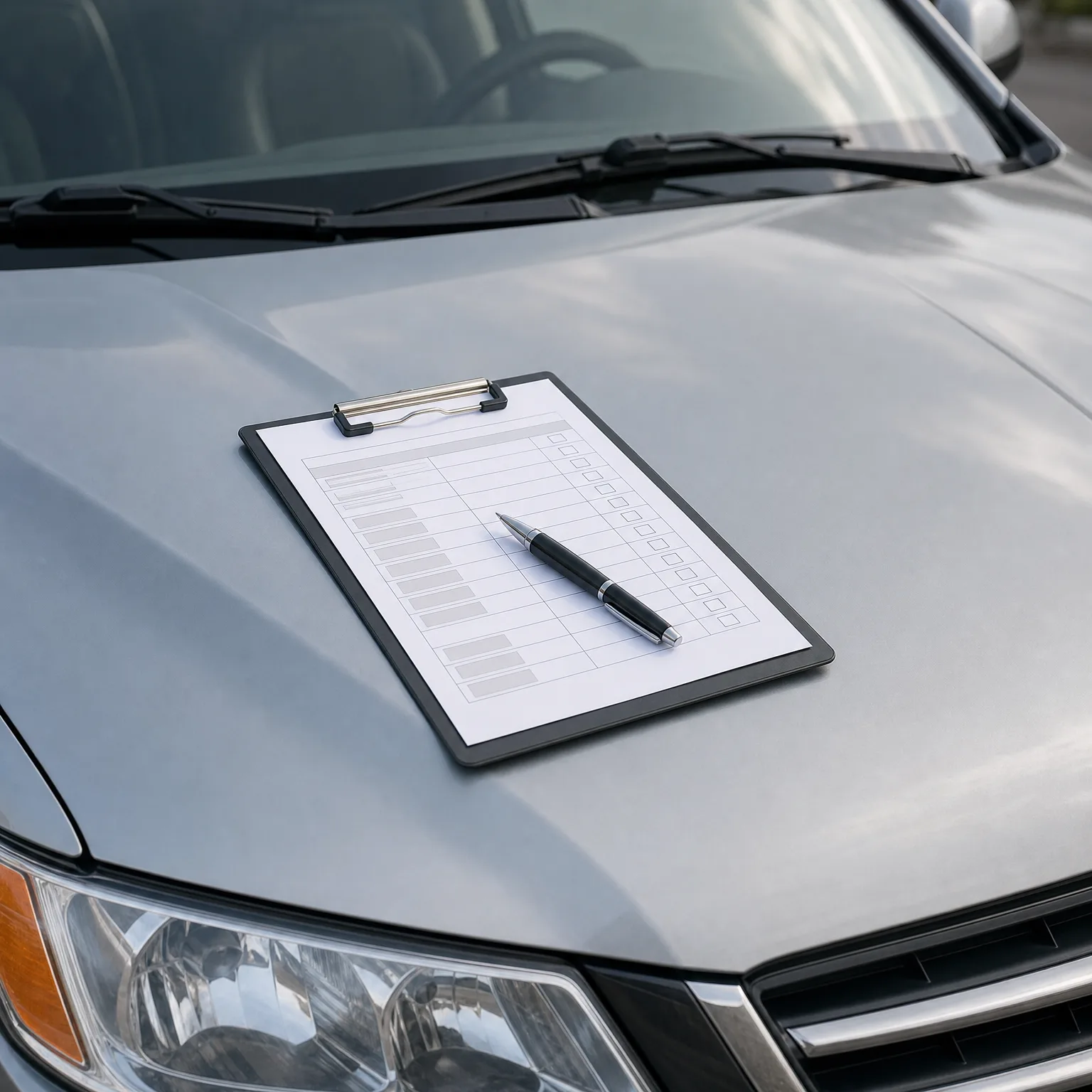
- Check what you could cover now Think about what you could pay out of pocket this month, not last year. Your finances may look different than they did when the policy was first set up.
- Weigh it against the premium A higher deductible usually lowers your monthly payment. Ask for quotes at a few different deductible levels so you can see the actual tradeoff in dollars.
- Match it to the car's value If a car is older or worth little, a high deductible may make sense since you'd likely cover minor repairs yourself anyway. Check what the car is worth before deciding.
- Consider who drives it now If a car sits unused or is driven less than before, your risk picture has changed. Factor that into whether a lower or higher deductible fits better.
- Keep decisions consistent If you're adjusting one policy, decide whether a second car or combined policy should match. Check with the insurer on how deductibles apply per vehicle.

The short version
A good deductible is the most you could comfortably pay out of pocket if you needed to file a claim tomorrow. Go higher than that and you risk a cash crunch at the worst time. The next step is requesting quotes at two or three deductible levels so you can compare the real cost difference before deciding.

Choosing a deductible after settling an estate
A woman inherited her late husband's car after her own was already insured separately. The inherited car was older, worth little, and she wasn't sure whether to keep driving it or sell it. She called the insurer to ask about combining both vehicles on one policy and was offered different deductible options for each car.
For her own car, which she relied on daily, she kept the deductible lower since she wanted less financial exposure if something happened. For the older car, she chose a higher deductible, since repairs would probably cost less than the premium savings over time, and if it was ever totaled she wasn't counting on insurance to replace it. She decided to keep that car a few more months before deciding whether to sell it, and set a reminder to revisit the deductible once she knew whether she'd keep driving it regularly.
Once you know the deductible that fits your situation, compare quotes at that level to see what you'd actually pay.
Why the right deductible depends on your situation, not a fixed rule
A deductible is the amount you pay before insurance covers the rest of a claim. Insurers price policies so that a higher deductible means you're taking on more of the risk yourself, which is why the premium drops as the deductible rises. There's no single number that's right for everyone because the right amount depends on what you can afford to pay suddenly, not what sounds reasonable in the abstract.
The reasoning underneath this is about matching risk to your actual finances. If a high deductible would force you to borrow money or skip a bill to cover a claim, it's too high for you right now, no matter how much it lowers your premium. If a low deductible means you're paying extra every month for protection you'd barely notice losing, it's probably lower than it needs to be.
This changes depending on the car itself. An older car worth little isn't worth insuring the same way as a newer one, since the payout in a serious claim is capped at the car's value anyway. For a car like that, many people choose a higher deductible because the odds of a large claim are lower and the savings add up over time.
State rules and insurer policies can affect your options too. Some insurers set minimum or maximum deductible amounts, and some states regulate certain coverages differently. Check with your insurer directly about what levels are available for each car on your policy, especially if you're combining vehicles that used to be insured separately.
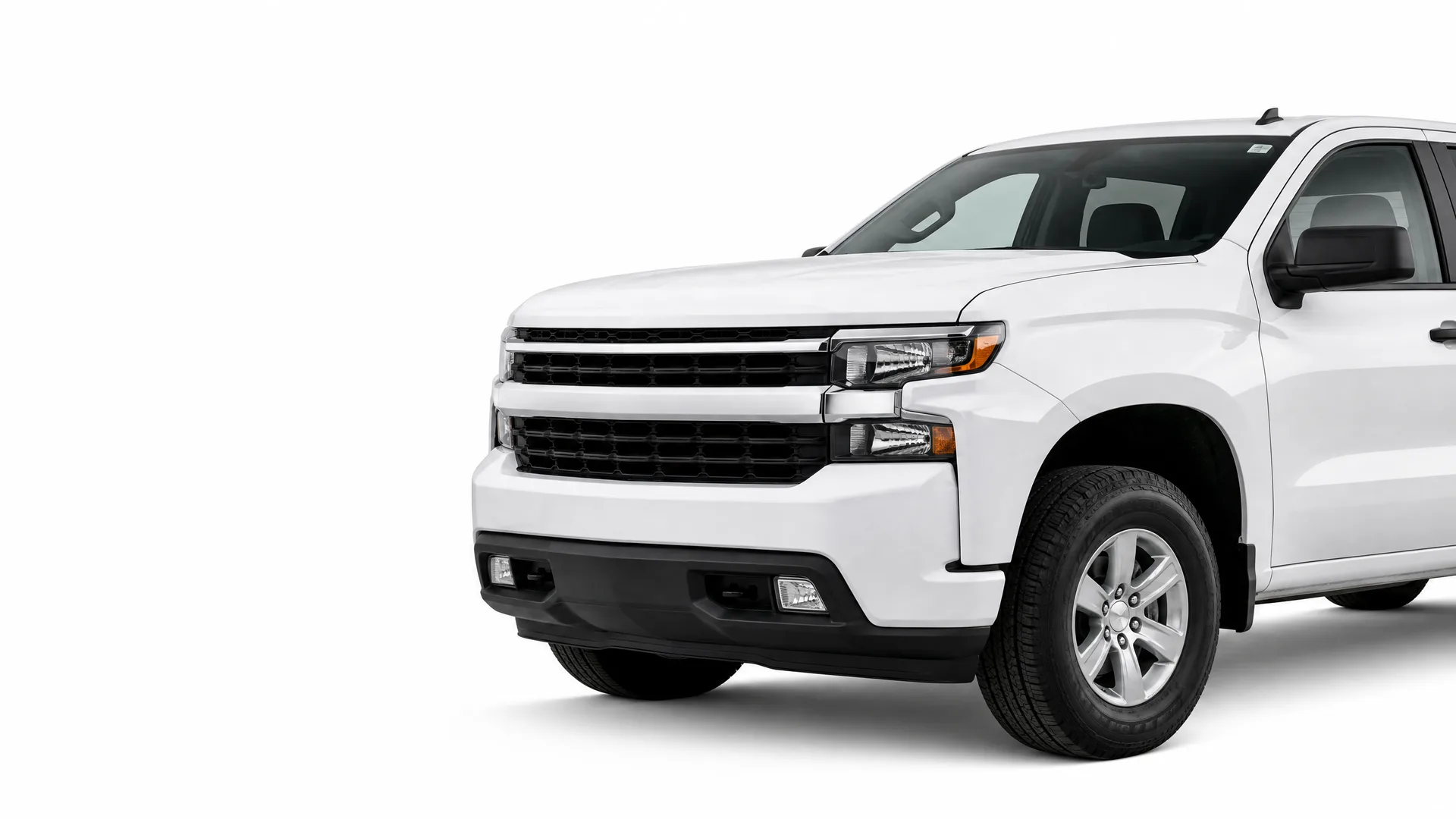
The right deductible isn't about saving the most money, it's about what you could pay without it hurting.
Should both cars on my policy have the same deductible?
Not necessarily. Each car on a policy can usually have its own deductible, and it often makes sense for them to differ if the cars are worth different amounts or driven differently.
A car you drive daily and rely on might warrant a lower deductible, since you want less financial exposure if something happens. A car that's older, worth less, or driven rarely might carry a higher deductible, since the premium savings outweigh the risk of a claim. Ask your insurer to show you the cost difference for each car separately rather than assuming they should match. If your situation changes, like deciding to sell one car or drive it more regularly, revisit the deductible then rather than leaving it set from when the policy was first combined.