What Is Comprehensive Insurance
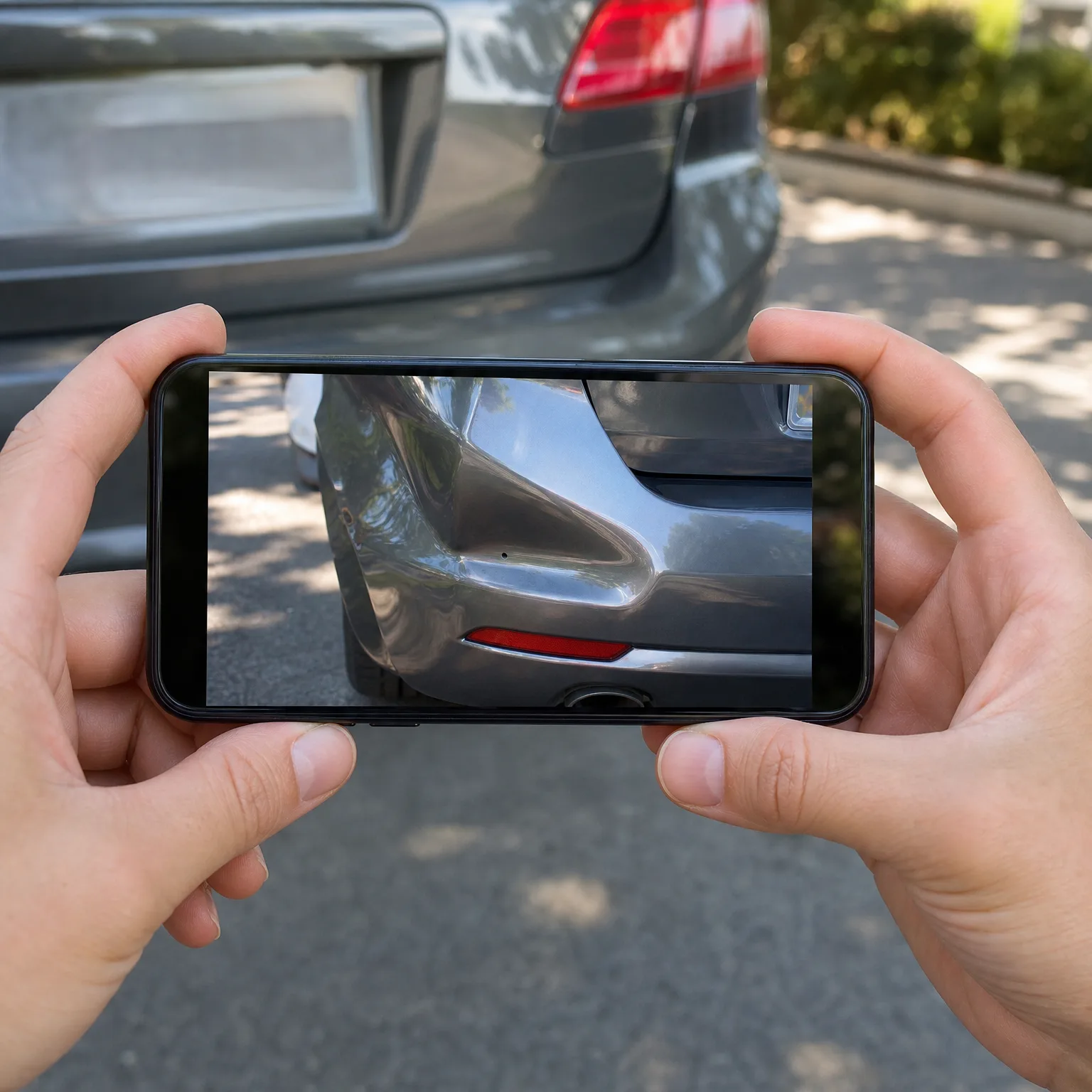
Comprehensive covers damage to your car from things other than a collision, like theft, fire, falling objects, or an animal strike.
What comprehensive actually does for you
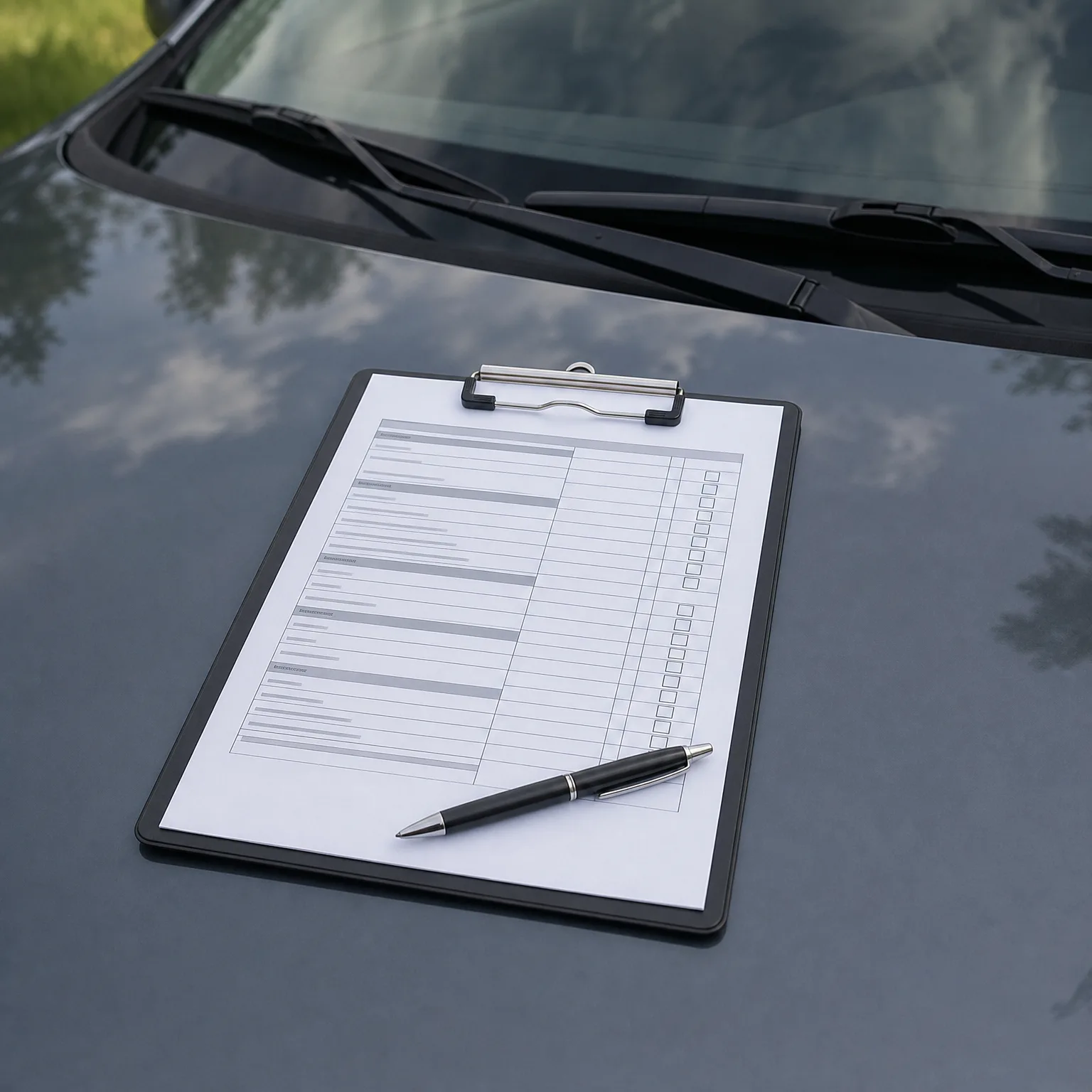
- Covers non-crash damage This pays for your car if it's stolen, vandalized, or damaged by weather, fire, or an animal. It doesn't cover a crash with another car, that's collision coverage, a separate line on the policy.
- Matters most if car has value If the car is older or worth very little, this coverage may cost more over time than it would ever pay out. Check the car's current value before deciding to keep it.
- Usually paired with collision Insurers often sell comprehensive and collision together, and lenders require both if the car is financed. If the car is paid off and not financed, you're free to choose either, both, or neither.
- Has its own separate deductible The amount you'd pay out of pocket before this coverage kicks in is set separately from your collision deductible. Look at both numbers on the policy, not just one.
- Doesn't depend on who's driving This coverage protects the car itself, not a specific driver. If you're keeping the car and will be the one driving it, this detail doesn't change what you need.
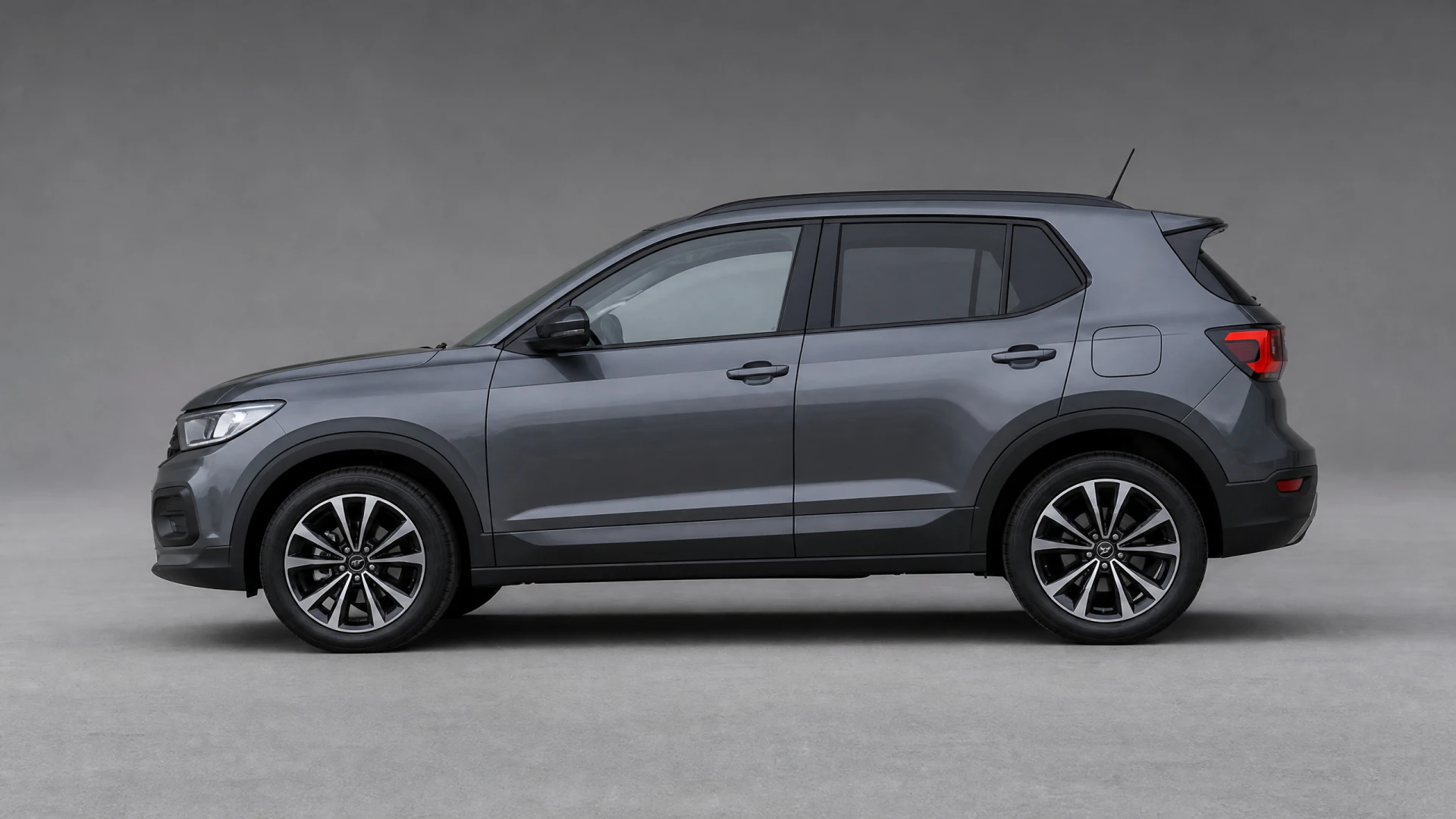
The short version
Comprehensive insurance pays for damage to your car that isn't from a crash, like theft, fire, or weather. Whether to keep it depends on the car's value, not on who used to drive it. If a car is just sitting unused, decide first whether to keep, sell, or store it, then adjust coverage to match that decision.
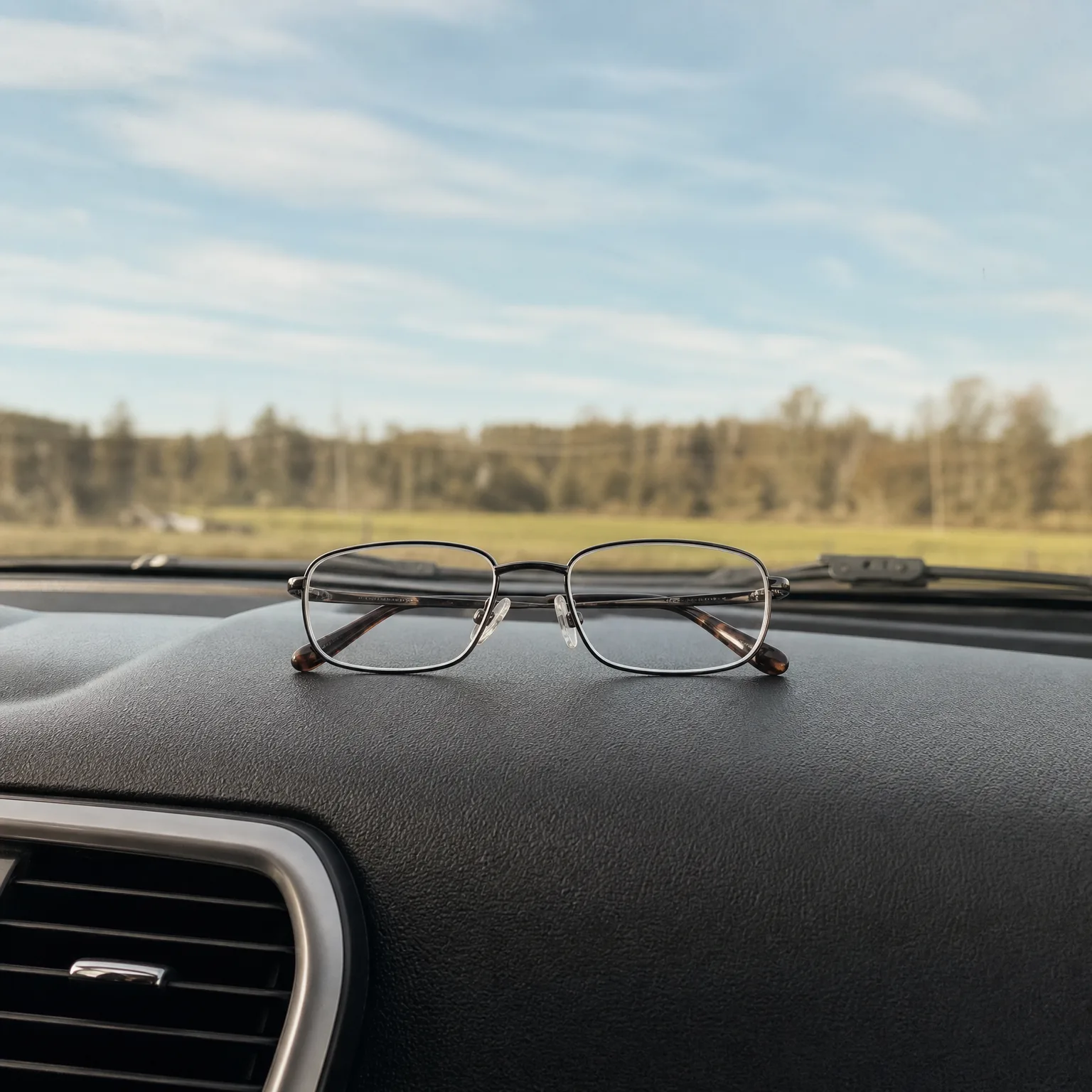
A second car that nobody has driven in months
One reader kept her husband's car in the driveway because she wasn't ready to deal with it. The policy was still active, still listing full coverage, and she wasn't sure if canceling it would cause a problem since the title was still in his name. She didn't know if the car needed any coverage at all if no one was driving it.
She checked the car's value first and found it was worth keeping, at least for now, since her son might use it later. She kept comprehensive coverage on it, since a car sitting outside can still be damaged or stolen, but dropped collision since no one was driving it anywhere. She also learned that retitling the car could wait until she was ready, since it didn't affect whether it could be insured in the meantime. A few months later, she decided to sell it, and having kept comprehensive coverage meant the car was protected right up until the sale went through.
Once you know whether this car needs comprehensive coverage, compare quotes to see what it would cost.
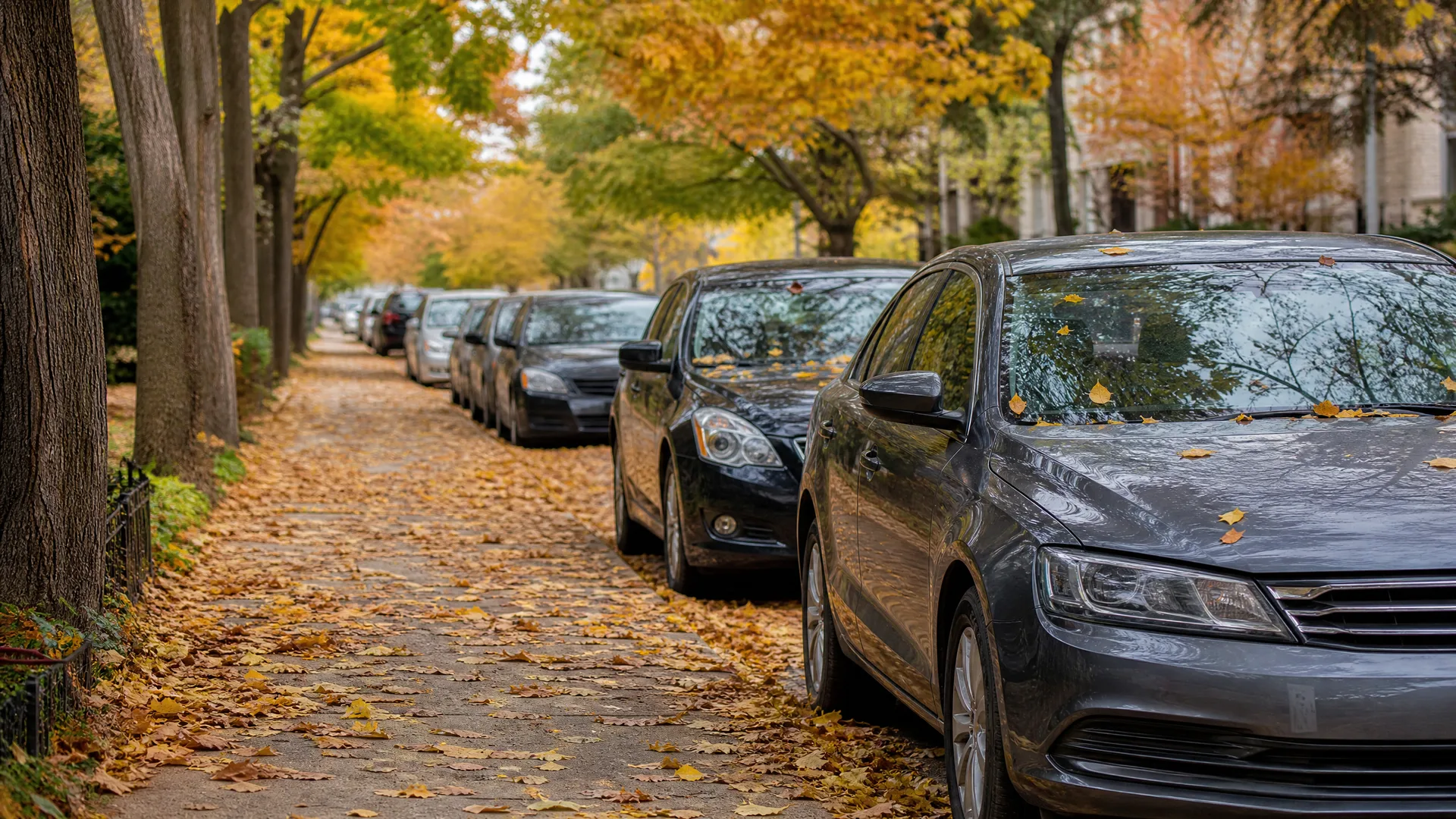
Do I need comprehensive insurance on a car nobody drives anymore?
Often yes, if the car still has value and sits somewhere it could be damaged or stolen. A parked car isn't protected from fire, weather, falling branches, or theft just because it's not being driven. If the car is going to be sold or junked soon, it may make more sense to drop coverage once you've set a firm timeline for that. Check the car's value and where it's stored before deciding either way.
Can I remove collision but keep comprehensive on the same car?
Yes, as long as the car isn't financed. Lenders typically require both coverages on a loan or lease, but once a car is paid off, you can choose coverage piece by piece. This is common for a car that isn't being driven much, since it removes the cost of collision while still protecting against theft or damage. Check your loan or lease paperwork first if you're not sure whether it's fully paid off.
What happens to comprehensive coverage if I transfer the title?
Transferring the title doesn't cancel the coverage itself, but you'll need to update the policy to reflect the new owner. Insurers usually want to know who legally owns and drives the car, so this keeps the policy accurate and avoids issues later if you ever file a claim. The process and timing for this can vary by state, so check what your state requires for title transfer after a death.
The coverage question isn't about who used to own the car, it's about what the car is worth now.