What Is Considered a Primary Driver
A primary driver is whoever drives the car most, and it's decided by actual use, not by whose name is on the title or the policy.
It comes down to who drives the car, not whose name is on it
Insurers set the price of a policy based on risk, and the person who drives a car most is the person whose habits matter most for that risk. That's why primary driver isn't a legal title or something tied to ownership. It's a practical label based on mileage, routine and which car someone reaches for first. If your spouse owned a car but you've been the one driving it to work every day, you are the primary driver now, regardless of paperwork.
This matters because insurers price each car on the policy around its primary driver. If a car is sitting unused, or if it's being driven occasionally by someone other than who's listed, the policy may not reflect reality anymore. That gap can affect what's covered if something happens, and it can mean you're paying for a rating that no longer fits your situation.
What counts as evidence of primary use varies a little by insurer. Some look mainly at mileage estimates you provide, others may ask about typical trips or where the car is kept. None of them need a precise log, but they do want an honest, reasonable answer about who drives the car most weeks of the year.
Where it gets less clear is households with a car nobody drives regularly anymore. In that case there may not be a true primary driver at all, and that's its own situation worth addressing directly with whoever holds the policy, since it changes what kind of coverage actually makes sense.
A second car that used to have a clear driver and now doesn't
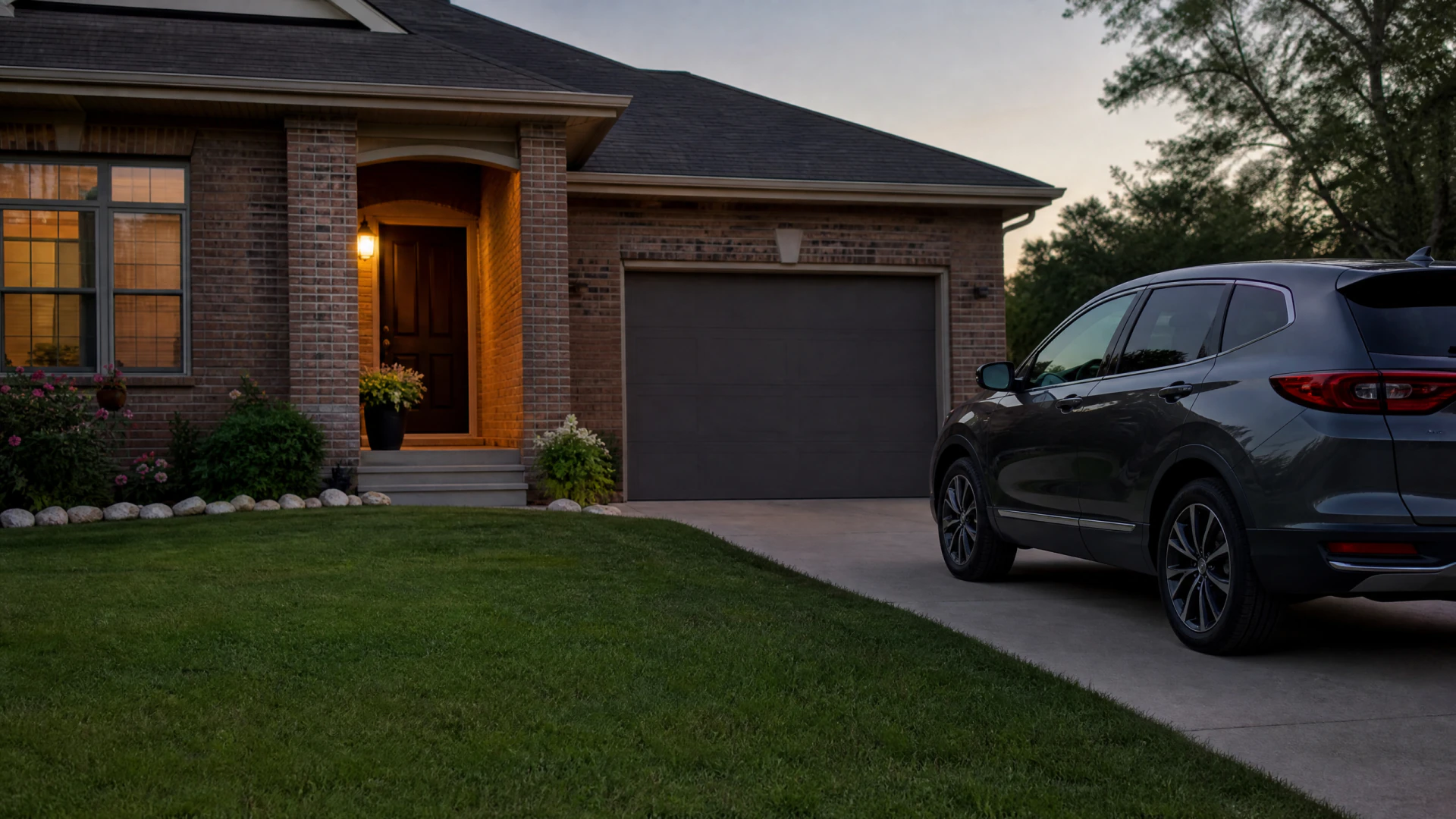
Say your spouse drove a sedan daily for their commute, and you drove an SUV for errands and trips with family. After your spouse passed, the sedan sat in the driveway. You started using it occasionally, mostly for short local trips, while the SUV stayed your main car. Nothing about the policy changed yet, so the sedan was still rated as if your spouse were driving it daily.
When you called to update the policy, the agent asked how each car was actually being used now. Since the SUV was still your main car and the sedan was driven rarely, the sedan was reclassified as a secondary vehicle with light use rather than assigned to you as primary driver. That changed how it was rated and opened the option of a lower-use coverage for it. You left the call with both cars matching how your household actually drives, which is what let the rest of the paperwork fall into place without guesswork.

The policy should match who actually drives each car today, not who drove it before or whose name is on it.
Once you know who's really driving each car, compare quotes based on that, not on how the policy used to be set up.

Updating who's listed as primary driver for each car
If you do
The policy will reflect how your household actually drives now. Pricing adjusts to match real use, and if a car is driven rarely, you may find lower-use options you weren't getting before. Claims also go smoother, since the driver on record matches who was actually driving.
If you don't
The policy keeps rating cars based on outdated driving patterns. You might be paying more than necessary for a car that's barely used, or less than you should for one now driven daily. If a claim comes up, mismatched driver information can slow things down or raise questions you didn't expect.
Do I need to change the primary driver if the car is in my late spouse's name?
Yes, if you're the one driving it now. The name on the title doesn't determine who the primary driver is for insurance purposes, actual use does. You'll likely need to retitle the car at some point too, but that's a separate process from updating the policy. Call the insurer and tell them plainly how the car is being driven today, and they'll walk you through what else needs to update alongside it.
What happens if I don't update the primary driver on an old policy?
Nothing happens immediately, but the coverage may not fit reality anymore. If the person actually driving most often isn't the one listed, a claim could prompt questions about why the information didn't match. It won't automatically void coverage, but insurers can ask for updated details, and incorrect information can complicate how smoothly things get resolved. It's better to update it before anything happens rather than after.
Can a car have no primary driver if nobody drives it regularly?
Yes, and that's common with a car that's sitting unused after a change in the household. In that case, ask the insurer about options for infrequently driven vehicles rather than forcing a primary driver label onto someone who barely uses it. What's available depends on the insurer, so ask specifically what fits a car that's mostly parked, since the standard primary driver setup may not be the right one for it.