What Is Gap Insurance
Gap insurance pays the difference between what you owe on a car loan and what the car is actually worth if the car is totaled or stolen.
A car's value and its loan balance don't drop at the same speed
A car loses value the moment it's driven off the lot, and it keeps losing value every month after that. The loan doesn't shrink that fast, especially in the early years when most of each payment goes to interest rather than principal. If the car is totaled or stolen a few years into the loan, the insurance payout is based on the car's current value, not on what's left to pay. Gap insurance covers that difference so you're not stuck paying off a loan on a car you no longer have.
This only matters if there's still a loan or lease on the vehicle. Once a car is paid off, there's no gap to cover, since the payout and the amount you owe are both zero. That's an important thing to check right now if you're sorting through a spouse's policy, because a car that still shows a loan in their name may still need this coverage, and a car that's paid off almost certainly doesn't.
How much the gap actually is depends on things like the size of the down payment, the loan term, and how fast that particular car depreciates. Some cars hold value better than others, so the risk isn't the same for every vehicle. Lenders sometimes require this coverage for the life of the loan, and that requirement can transfer or change depending on how the loan itself is handled after a death, which is worth confirming with the lender directly.
Where this varies is by insurer and by state. Some insurers bundle gap coverage into a loan or lease payment protection product with a different name, and some states regulate how it's sold, especially when it's offered through a dealership instead of an insurance company. Check the actual policy document rather than assuming based on what it's called.
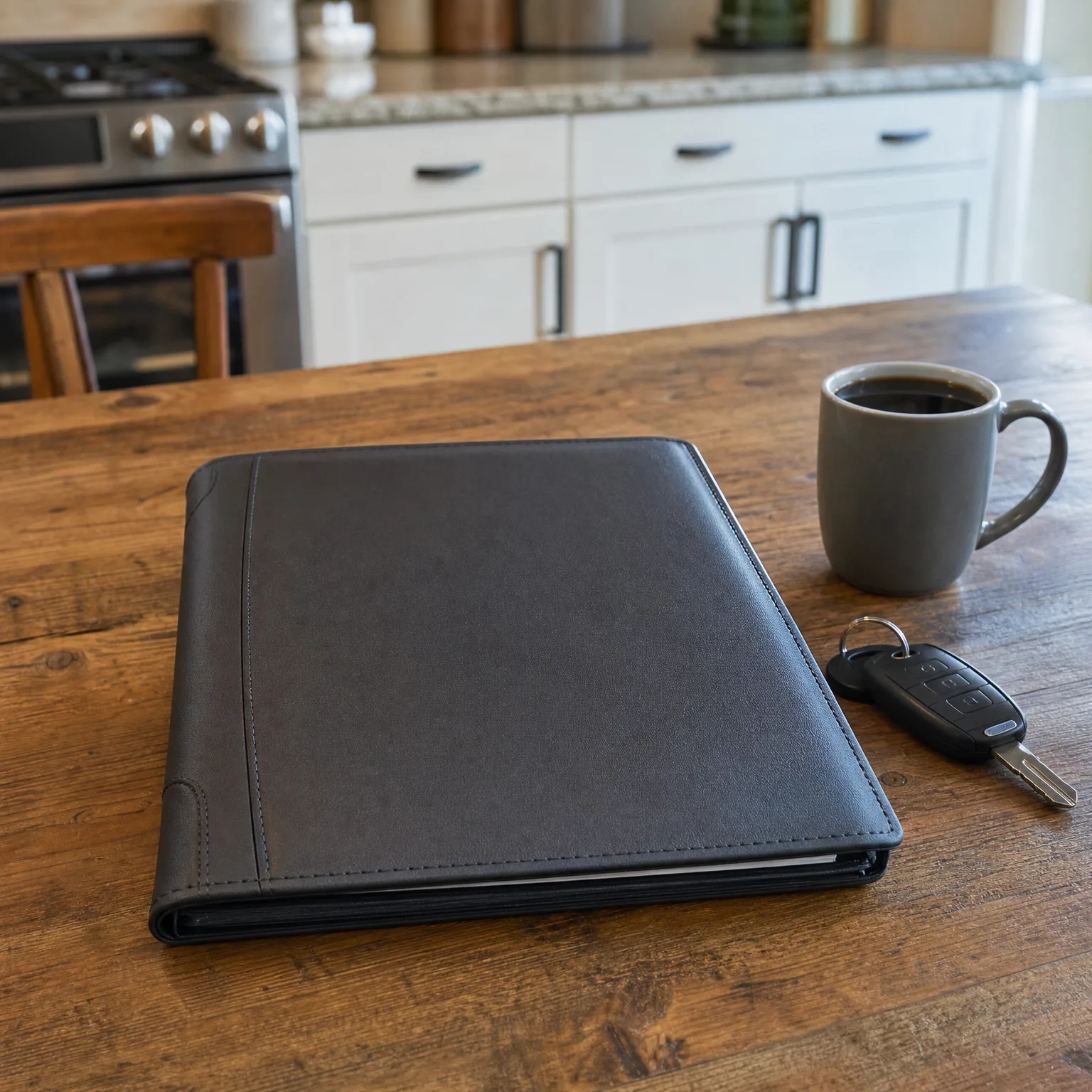
A car still titled to a late spouse, with payments still due
One reader was going through her husband's policies and found a car loan with payments due for another two years. The car was leased through a loan, not purchased outright, and she hadn't realized gap coverage had been added when he signed for it. She called the lender first to ask what happens to the loan itself, since that determines whether the coverage even needs to continue in her name or the estate's.
The lender confirmed the loan would need to be formally transferred or paid off, and until that happened, the gap coverage stayed tied to the existing policy. She kept the coverage active rather than cancel it right away, since the car was still being driven occasionally and the loan balance was still higher than the car's value. Once the loan was resolved a few months later, she dropped the coverage, because at that point there was no longer a gap left to protect.
Once you confirm the loan status, compare quotes that include gap coverage matching the car's real risk.
Do I still need gap insurance if I'm not sure how much is left on the loan?
Find out the loan balance before deciding anything, because that number is the whole basis for whether gap coverage does anything for you. Call the lender directly rather than guessing from old statements, since balances change and a spouse's account may have had automatic payments or a different schedule than you expect.
Once you know the balance, compare it to what the car is roughly worth now. If the loan balance is higher, the coverage still matters. If the car is worth more than what's owed, or the loan is nearly paid off, the coverage isn't doing much anymore. Until you have that number, keeping the coverage active is the safer default, since canceling it and then finding out there was a real gap is the costlier mistake.
This isn't about the car itself, it's about whether the loan balance is bigger than the car's current worth.
Can I cancel gap insurance on a car that's paid off?
Yes, and you should, since gap insurance only protects against owing more than a totaled car is worth. Once a car has no loan or lease attached, there's no gap to cover, so the coverage has nothing left to do. Check the title or call the lender to confirm the loan is actually closed, not just current, before canceling.
Does gap insurance transfer to a new owner if the car is sold or given to a family member?
No, gap insurance is tied to a specific loan and policyholder, not the car itself. If the car is sold or retitled to someone else, the coverage doesn't move with it, and the new owner would need to decide separately whether they need their own gap coverage based on their own loan situation.
What happens to gap insurance if I refinance the car loan?
It depends on the lender and insurer, so this is worth checking directly. Refinancing creates a new loan with a new balance and term, and some gap policies are written around the original loan terms. In some cases the coverage carries over, and in others you'd need to re-add it under the new loan to make sure the balance it protects is accurate.