What Is Not Covered by Comprehensive Car Insurance
Comprehensive covers things like theft or weather, but not a collision, injuries, or the wear on a car you no longer drive.
These costs fall outside comprehensive coverage
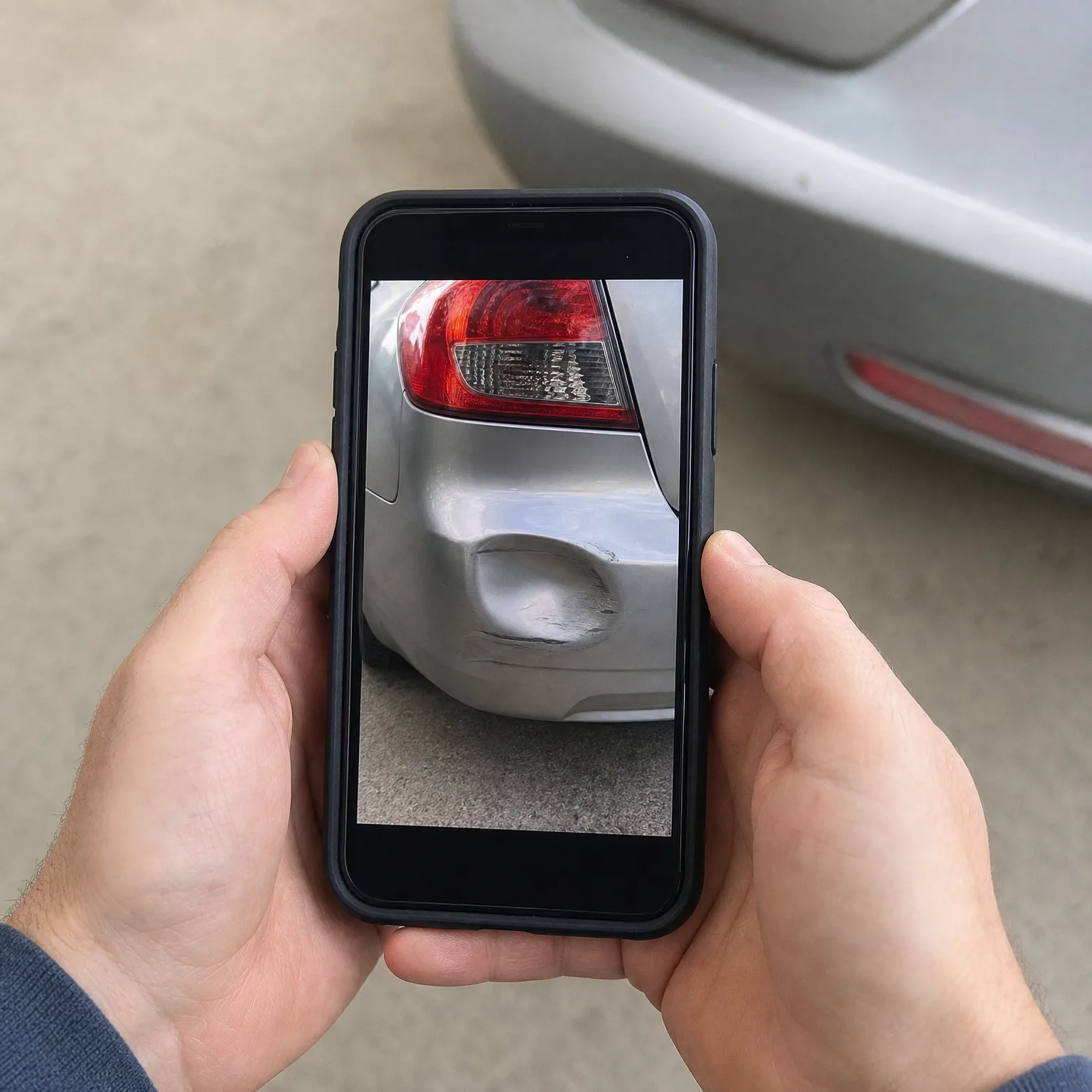
- Collision damage Hitting another car, a pole or a guardrail falls under collision coverage, not comprehensive. If that coverage was dropped on a car nobody drives, a fender bender would come out of your pocket.
- Medical bills and injuries Comprehensive pays for the car, not for people. Injuries to you or passengers are handled through medical payments, personal injury protection, or health insurance, depending on your state.
- Normal wear and tear A worn-out battery, old brakes or an engine that finally gives out isn't a comprehensive claim. That's regular maintenance, and it matters if you're deciding whether to keep insuring a car that's aging unused.
- Your belongings inside the car A stolen laptop or phone left in the car usually isn't covered by the car policy at all. Homeowners or renters insurance is where that kind of loss is normally handled.
- Driving away from a crash If you're the one who causes an accident, comprehensive doesn't step in. Liability coverage, which is separate, covers the damage you cause to someone else.

A second car sitting in the driveway after a loss
One reader had two cars on the policy, hers and her late husband's. His car hadn't moved in months, but she kept the full policy on it out of habit, assuming comprehensive would protect it either way. When she called to ask about lowering the cost, she learned that comprehensive was already doing the only job it could do for a parked car, covering things like theft, fire or weather damage. It was never going to pay for a collision, and since the car wasn't being driven, that part of the coverage had little left to protect against.
She decided to drop collision coverage on that car since it wasn't being driven, while keeping comprehensive in place in case of theft or storm damage, and keeping the title and registration current until she decided whether to sell it. That single change lowered the cost of insuring a car she wasn't using, without leaving it uninsured against the risks that still applied. She kept her own car's coverage exactly as it was, since she still relied on it every day. Knowing precisely what comprehensive would and wouldn't do made the decision feel practical instead of uncertain.
Should I drop comprehensive entirely on a car I'm not driving?
Not necessarily. Comprehensive is usually the cheaper half of coverage, and it still protects a parked car from theft, fire, falling branches, flooding and vandalism, all of which can happen whether or not anyone drives it.
What's more often worth dropping on an unused car is collision coverage, since that only pays out if the car is actually in a crash. Before changing anything, check with your insurer about what's required if the car still has a loan or lease attached to it, since lenders often require comprehensive and collision both until the loan is paid off. If the car is paid off and sitting unused, ask specifically what reducing coverage would save and what risks you'd still be accepting.
Once you know what comprehensive won't cover, compare quotes to make sure the rest of your coverage fills the gaps.

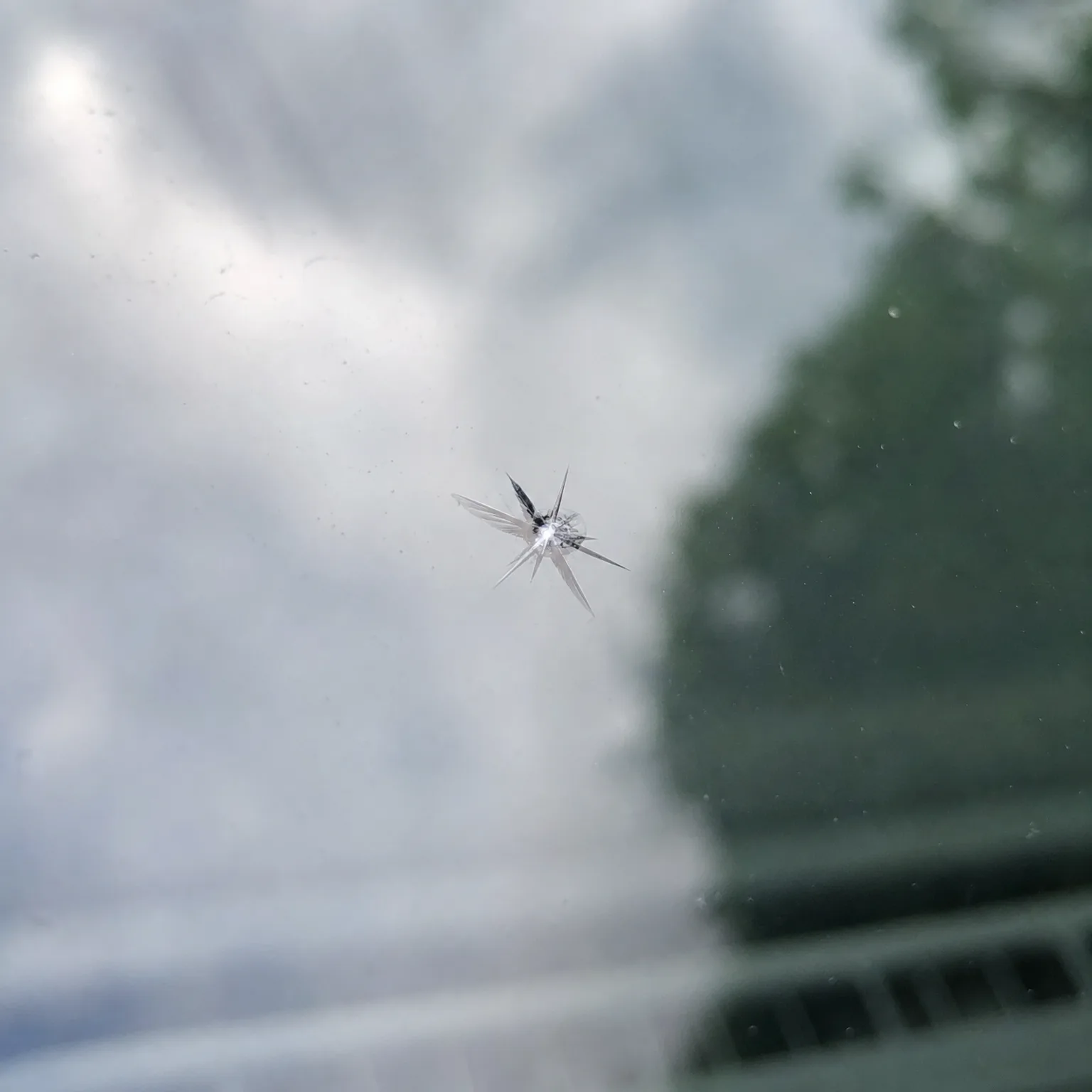
Does comprehensive cover a cracked windshield?
Yes, glass damage from a rock, falling debris or weather is typically a comprehensive claim. Some states and insurers offer separate glass coverage with no deductible, so it's worth checking your policy or asking directly, since the rules here vary more than people expect.
Do I need comprehensive if the car is paid off?
It depends on the car's value and whether you could afford to replace it yourself. A paid-off car isn't required to carry comprehensive, but dropping it means you'd cover theft, fire or storm damage entirely out of pocket.
What happens to comprehensive coverage if I stop driving the car?
It keeps working the same way, since comprehensive doesn't depend on mileage. If the car is sitting unused, ask your insurer about a reduced usage or storage designation, which can lower the cost while keeping the same protection in place.
Comprehensive protects the car from the world, not from driving, so the real decision is about collision.