What Is Some Basic Maintenance for a Car
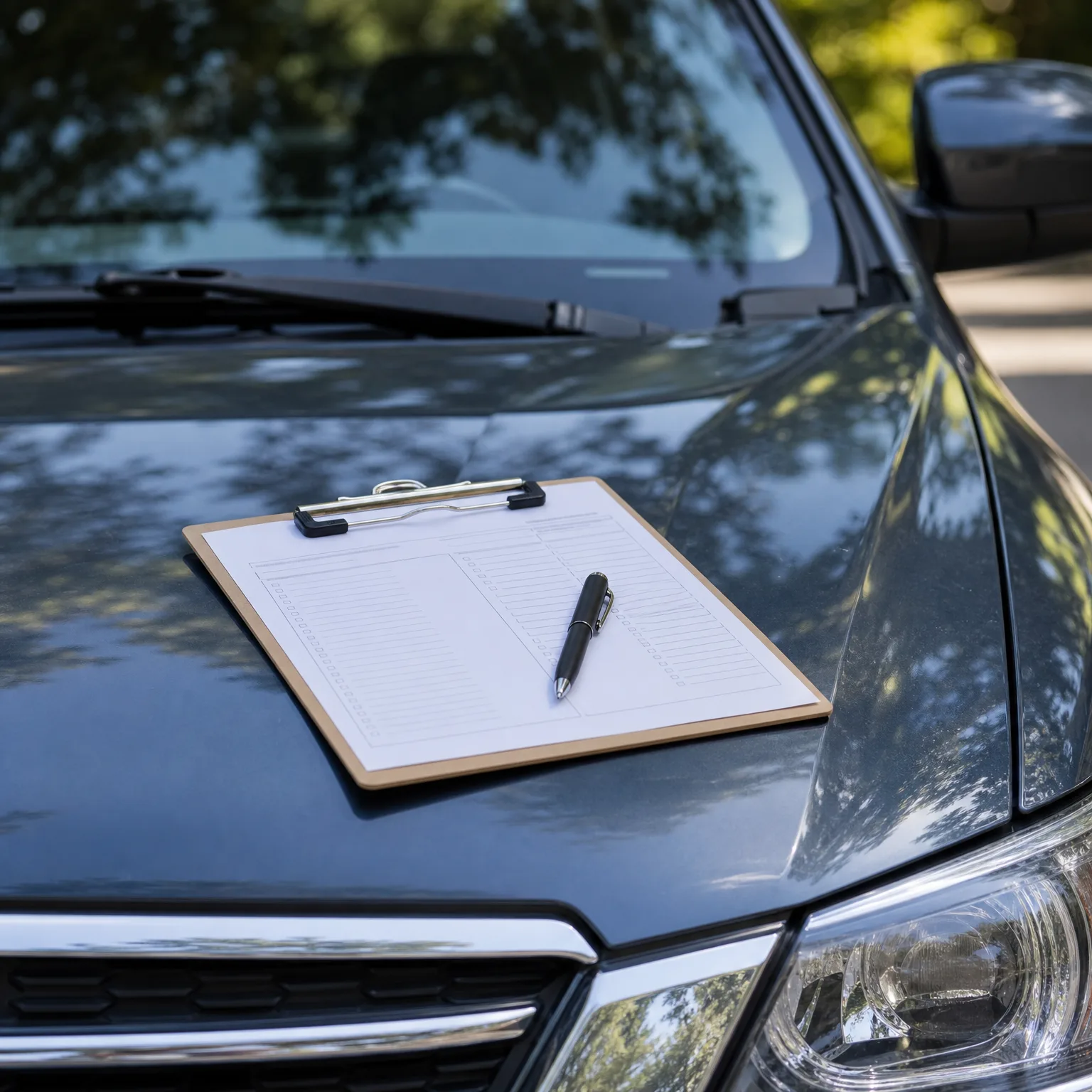
Basic maintenance means oil changes, tire checks, brake inspections and fluid levels, kept current enough that nothing fails from neglect.
Maintenance matters because insurers expect a car that was cared for
Car insurance covers sudden, accidental damage. It does not cover a part that wore out because nobody looked at it for years. That distinction is why maintenance matters beyond just keeping the car running. If a claim investigation turns up a mechanical failure tied to long term neglect, like bald tires or a brake system that was never serviced, it can complicate what the insurer pays or how they view the claim.
Underneath this is a simple logic. Insurance is built to handle the unexpected. A tire blowout from a road hazard is unexpected. A tire blowout from rubber that was worn down to nothing for a year is a maintenance failure, and that falls on the owner. The newer the car in your household, or the less driven, the less this matters day to day, but it still matters.
The specific items that count as basic maintenance are mostly universal. Oil changes, tire rotation and pressure, brake pads, fluid levels, battery condition and wiper blades cover most of what keeps a car safe and reliable. What varies is how a state or an insurer treats a claim where neglect is a factor, so if you are ever unsure, ask your insurer directly what they'd want documented.
For a car that sits unused, the calculus shifts a little. A car that isn't driven still needs its battery checked, its tires checked for flat spots, and fluids checked before anyone starts it again. Letting a car sit without any attention is its own kind of neglect, even if the mileage never changes.
A second car that sat idle for months
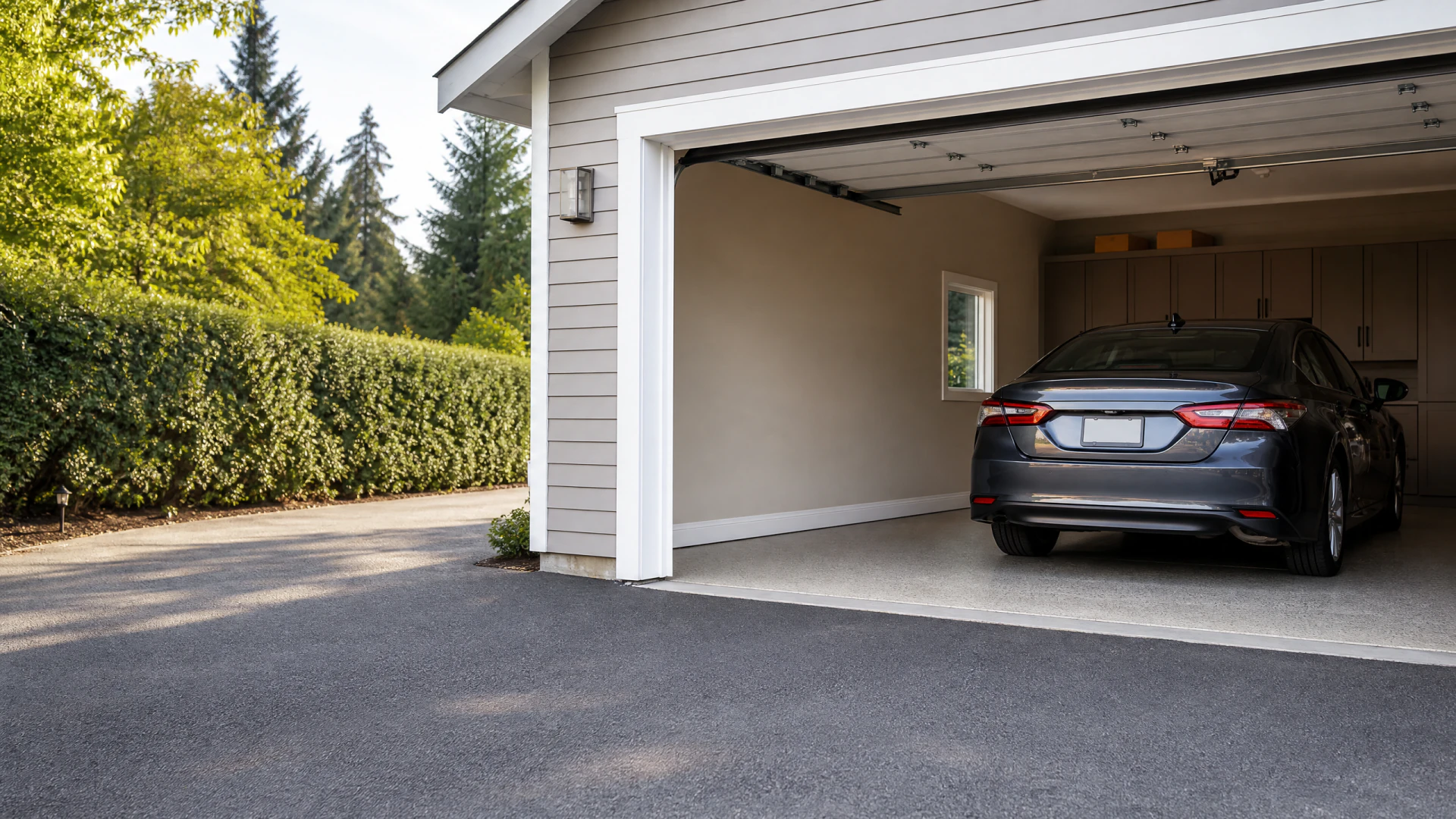
Say there are two cars in the household and one of them hasn't moved in a while. Nobody has been driving it, so it seems reasonable to assume it's fine sitting in the driveway or garage. But a car sitting unused for months can develop flat spots on the tires, a drained or weakening battery, and fluids that settle or degrade. None of that shows up unless someone checks.
The practical step is to start the car periodically, let it run, check the tire pressure and look for obvious wear, and keep the battery charged if it's not going to be driven regularly. If the plan is to keep the car rather than sell it, this small routine prevents a situation where the car fails unexpectedly the first time someone needs it, or where a problem that could have been caught early turns into an expensive repair. It also keeps the car in a condition where, if something does happen to it, there's no question about whether neglect played a role.

Whether you keep up with basic maintenance on every car you own
If you do
Your cars start reliably, repairs stay small because problems get caught early, and if you ever need to file a claim there's no question about whether neglect contributed. The car holds its value better too, which matters if you decide to sell the one nobody's driving.
If you don't
Small issues turn into expensive ones, a car that sits can develop battery or tire problems that surprise you later, and if a claim ever involves a part that failed from neglect, you may find the insurer asking harder questions about what happened and why.
Once you know what each car needs, compare quotes that match coverage to how it's actually used.
How often should you check a car that nobody is driving regularly?
Check it roughly monthly, more often if it's going to sit for an extended stretch. Start the engine, let it run a few minutes, check tire pressure and look underneath for leaks. A battery left untouched for months often won't hold a charge, and tires can develop flat spots from sitting in one position. If the car will sit for a long period, consider a battery maintainer. What changes this is climate. Extreme heat or cold accelerates battery and tire wear, so a car sitting through a harsh season needs more frequent attention.
Does skipping maintenance affect whether a claim gets paid?
It can, if the failure that caused the claim is directly tied to neglect rather than an accident. Insurers distinguish between sudden damage and gradual, preventable wear. A tire that blows from a pothole is different from a tire that blows because it was bald for a year. What matters is whether an inspection after a claim turns up evidence of long term neglect. If you're unsure where that line falls, ask your insurer what they'd consider negligence versus normal wear.
Is it worth keeping a car that nobody drives anymore?
That depends on cost versus use, not on the car's condition alone. If it sits unused, you're paying for upkeep, maintenance, and possibly full coverage on a car providing no value. Compare what it costs to keep registered, insured and maintained against what it would bring if sold. What changes the answer is whether someone in the household might drive it soon, or whether it has value worth preserving, like a low-mileage car kept for a specific future need.
The insurer isn't judging how new your car is, they're judging whether you looked after it.