What Is the Cheapest Way to Insure Two Cars
Put both cars on one policy with one insurer, then decide which one actually needs full coverage.
Five moves that lower the cost of insuring two cars
- Combine onto one policy Carriers reduce the per-car rate when both vehicles are listed together under one policy. Call your current insurer and ask them to add the second car rather than keeping two separate policies.
- Drop coverage on an unused car A car that never leaves the driveway may not need full coverage at all. Ask about a reduced policy that covers damage from fire, theft or weather but not driving, which costs much less than full coverage.
- Update the listed driver If your spouse was listed as the primary driver on either car, that needs to change now. Rates are based partly on the driver's history, so this correction can move the price in either direction.
- Check the title first If a car is titled in your spouse's name, you may need to retitle it before an insurer will let you make changes to that policy. Your state's motor vehicle office can tell you what's required to transfer it.
- Decide if you need two cars Selling the unused car removes a monthly cost, not just an insurance decision. If no one drives it regularly, weigh what it costs to insure and maintain against what it would bring if sold.
A widow with two cars and one driver
Maria's husband handled the car insurance for thirty years. After he passed, she found two cars on two separate policies, one in her name and one in his, both through the same company. She was paying for full coverage on his car, a sedan that had sat in the garage for months because she only drove her own SUV.
She called the insurer, explained the situation, and asked what her options were. They combined both cars onto one policy under her name, which lowered the total right away. For her husband's car, she switched it to the reduced coverage that protects against theft and weather but not driving, since no one was using it. A few months later she decided to sell it instead, called the insurer back, and removed it from the policy entirely. Her monthly cost dropped twice, once when she combined the policies and again when she let the unused car go.
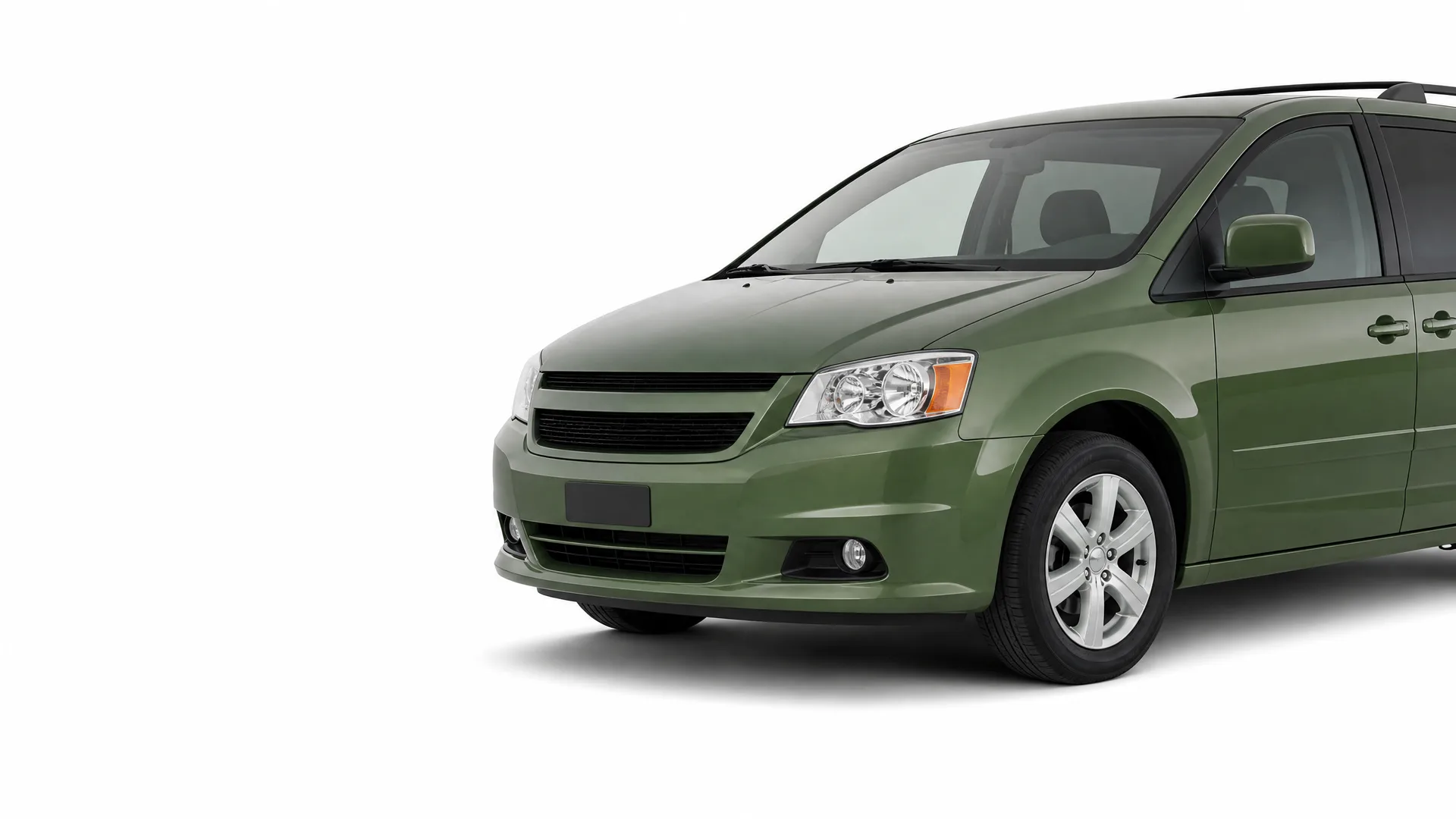
The real cost isn't the policy, it's keeping a car insured that nobody needs to drive anymore.
Once you know which cars you're keeping and how to cover them, compare quotes for that exact setup.
Why combining and trimming coverage actually saves money
Insurers price a second car lower than the first because the household's overall risk doesn't double just because another vehicle is added. One person can only drive one car at a time, so the combined risk is less than two single policies would suggest. This is why splitting two cars across two policies almost always costs more than listing them together.
The driver history behind each car also matters more than people expect. If the person with the longer or cleaner driving record is listed as primary on both cars, the household often pays less than if drivers are split based on who technically uses which car. This is one of the first things worth checking when a policy changes hands.
Coverage that doesn't involve driving, sometimes called the non-driving or storage option, exists for cars that sit unused. It protects against theft, fire and weather damage but skips the liability and collision coverage tied to actually being on the road. For a car nobody drives, this can cut the cost sharply while still protecting it until you decide whether to sell it.
Where this plays out differently is state rules and insurer policies. Some states have specific requirements about keeping a minimum level of coverage on any registered vehicle, even one that isn't driven. Others allow you to suspend coverage entirely if the car is stored and not registered. Check with your state's motor vehicle office and your insurer before assuming you can drop coverage completely.

Can I remove my spouse from the car insurance policy myself?
Yes, in most cases you can call the insurer directly and ask to remove them, especially if the policy is already in your name too. If the policy was only in your spouse's name, you may need a death certificate and proof you're the one taking over the policy. The insurer can tell you exactly what documents they require.
Do I need to retitle the car before insuring it in my name?
Usually yes, because most insurers want the policyholder's name to match the title. Your state's motor vehicle office handles title transfers and can tell you what's needed, often a death certificate and some paperwork specific to your state. Until the title is transferred, some insurers will still let you stay covered temporarily, so ask directly.
Is it cheaper to sell the second car or keep it insured and unused?
It depends on how much the car is worth and how much the reduced, non-driving coverage costs compared to what you'd gain from selling. If the car still has value and you're unsure whether you'll need it, keeping minimal coverage for a while costs little and keeps your options open. If it's older or costing more to maintain than it's worth, selling usually makes more sense.