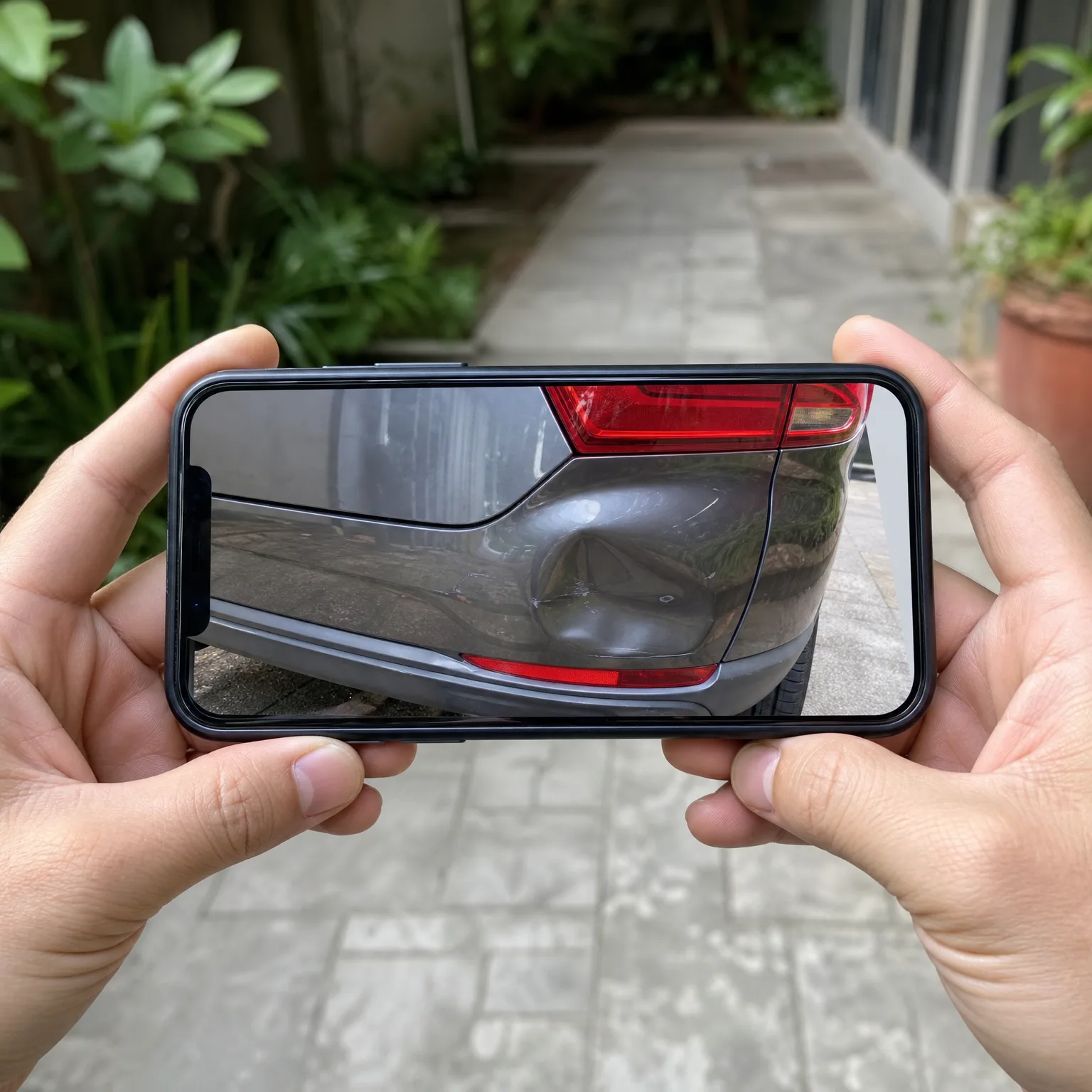
What Is the Difference Between a Deductible and a Waiver
A deductible is money you pay out of pocket on a claim, and a waiver is a provision that cancels that payment under specific conditions.
A deductible is a fixed cost, a waiver removes it
A deductible is the amount set in your policy that you pay before coverage pays the rest of a claim. It exists so you share some of the risk with the insurer, which keeps your premium lower than it would be if every dollar of every claim were covered from the first cent. You choose this amount when you set up the policy, and it stays fixed until you change it.
A waiver works differently. It is a specific clause that says the deductible, or some other requirement, does not apply in a particular circumstance. The most common example involves glass repair, where some policies waive the deductible entirely so a cracked windshield gets fixed without cost to you. Waivers can also apply to other situations depending on the insurer and the policy, so the word itself just means a rule has been set aside under defined conditions.
The practical difference for you is that a deductible is something you plan around every time you file a claim, while a waiver is something that only matters when it applies. You don't negotiate your deductible claim by claim, it's the same number until you change the policy. A waiver either exists in your policy for a given situation or it doesn't, and if it does, it only activates when that specific situation happens.
Where this varies is in what gets waived and under what terms. Some insurers waive glass deductibles automatically, others only if you add that coverage, and some don't offer it at all. Since you're sorting through a policy that may have been set up by your spouse, check the declarations page for any waiver language and call the insurer directly to confirm what applies to you now.
Does my deductible change if I remove a driver or a car from the policy?
Not by itself. Removing a driver or a vehicle changes who and what is covered, but the deductible amount on the remaining vehicles stays whatever was set for each of them individually.
Each car on a policy can have its own deductible, so if your spouse set theirs differently from yours, removing their name doesn't automatically reset anything. You'll want to look at the declarations page for each vehicle separately, because consolidating the policy down to one driver and one or two cars is a good moment to check whether the deductible on each car still makes sense for how it's used now, especially if one car is sitting unused.

The deductible you keep should match how the car is actually used now, not how it was used before.
Once you've settled each deductible and which waivers still apply, compare quotes with those choices already made.

Whether you confirm waiver terms before changing the policy
If you do
You call the insurer, ask exactly what's waived and under what conditions, and get it confirmed before touching the policy. If a glass waiver or similar provision exists, it stays in place. You make changes to the policy knowing precisely what protection you have and what you'd pay out of pocket if something happened.
If you don't
You update the policy based on assumptions about what your spouse had set up. A waiver that applied before may not carry over automatically if you restructure coverage or switch vehicles. You could end up paying a deductible you thought was waived, right when you can least afford the surprise.
What to check before you decide anything about the policy
- Find the declarations page This document lists the deductible for each vehicle and any waiver provisions in plain terms. It's the fastest way to see what you actually have without guessing.
- Call and ask directly Ask the insurer to explain any waiver in your policy and what conditions trigger it. Get the answer in writing or note the date and who you spoke with.
- Check the unused car separately A car that sits unused may not need the same deductible or coverage level as one driven daily. Ask about reducing coverage or storing it on a lower-cost plan.
- Confirm waivers transfer If you remove a driver or vehicle, ask explicitly whether existing waivers stay in effect. Don't assume continuity, confirm it with the insurer directly.
- Match deductible to finances Your circumstances may be different than when the original deductible was chosen. Pick an amount you could actually pay out of pocket today.