What Is the Difference Between a Rated and Listed Driver
A rated driver is priced on a specific car as its main driver, while a listed driver is just named on the policy.
The rating depends on who actually drives which car
Insurers price a policy around the person most likely to be behind the wheel of each car. That person is the rated driver, and their age, driving record and history set the premium for that car specifically. If you own two cars and you mainly drive one while your late spouse's car sits in the driveway, the company still wants a rated driver assigned to it, even if that's you too.
A listed driver is different. This is someone who lives in your household and sometimes drives your cars, but isn't the primary driver of any one vehicle. Insurers still want to know about them because anyone with regular access to a car is a potential risk the policy needs to account for.
This distinction matters most right now because your household just changed. If your spouse was the rated driver on a car you're keeping, that car needs a new rated driver, and that's probably you. If there's a car nobody drives anymore, you still can't leave it unrated indefinitely, most insurers want a rated driver on every vehicle even if the car barely moves.
Where this gets handled differently is by state and by company. Some insurers have specific rules about low mileage or excluded drivers, and some states regulate how a named driver exclusion works. Ask your insurer directly how they want the car and the driver reclassified now that your household has changed.
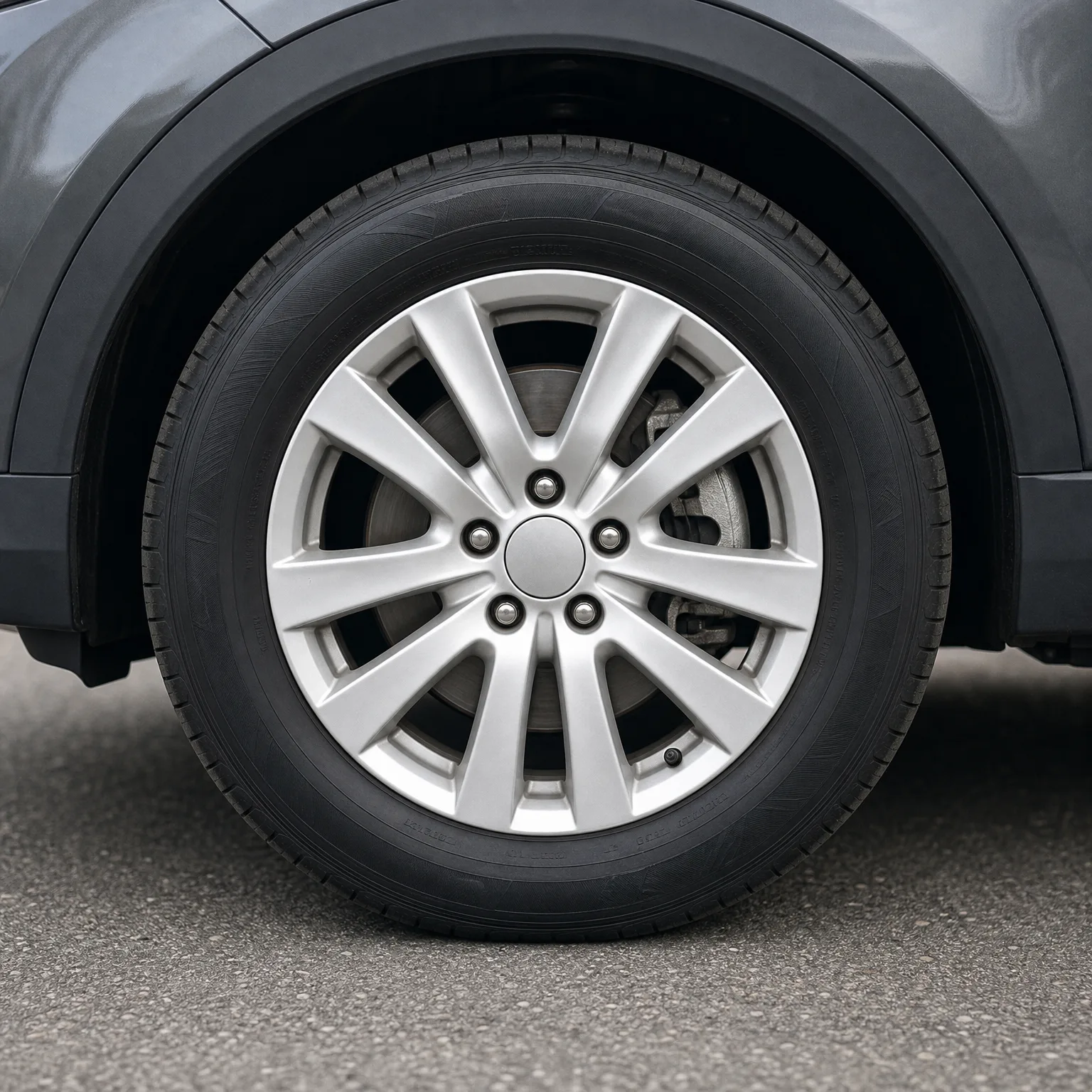
A car that sat unused after a spouse passed away
One reader had a second car that her husband drove to work every day. After he passed, the car sat in the garage. She still had her own car, rated in her name, and his was still rated to him on the policy. She called her insurer to ask what to do, worried that leaving it as is might cause a problem or that cancelling it entirely would be the wrong move since her adult son sometimes borrowed it when visiting.
The insurer explained that since she was now the only regular driver in the house, she needed to become the rated driver on that second car too, even though she rarely drove it. Her son, since he visited a few times a year and didn't live there, was added as a listed driver instead of a rated one. This kept the coverage valid for when he borrowed the car without raising her premium as if he drove it daily. She ended up keeping both cars, rated correctly, and dropped the second car's coverage down to a lower tier since it was driven so rarely.
Now that you know who should be rated and who should be listed, compare quotes with your household updated.

Whether you update who's rated on each car
If you do
You tell the insurer who really drives each car now, and pricing reflects your actual household. Unused cars can be insured at lower cost tiers. Anyone who occasionally borrows a car is still covered because they're listed, so a claim won't be denied over who was driving.
If you don't
The policy keeps pricing a car around someone who no longer drives it or who isn't around anymore. If someone else drives regularly but isn't listed anywhere, a claim could be delayed or questioned over who was actually behind the wheel.

What to sort out about rated and listed drivers
- Rated driver sets the price This is the main driver of a specific car, and their record determines that car's premium. Make sure the right person is rated on each car you keep.
- Listed driver is just disclosed Someone who occasionally drives but isn't primary doesn't need to be rated. List them so they're covered without raising your premium.
- Unused cars need a rated driver A car nobody drives regularly still needs someone assigned to it, usually you. Ask about lower mileage tiers if it's barely driven.
- Update after a household change A death, move, or new driver in the home changes who should be rated or listed. Call your insurer now rather than waiting for a renewal.
- Rules vary by company and state Some insurers handle excluded or infrequent drivers differently, and state rules on exclusions vary. Ask your insurer what applies to your policy specifically.
The policy should match who drives each car today, not who drove it before.