What Is the Difference Between Collision and Liability
Liability covers the other car and driver when you're at fault; collision covers your own car no matter who caused the crash.
One covers other people, the other covers your car
Liability exists because every state requires drivers to be able to pay for harm they cause to someone else. It covers the other driver's car, their medical bills, and sometimes legal costs if you're sued after an accident you caused. It does not pay a cent toward your own car.
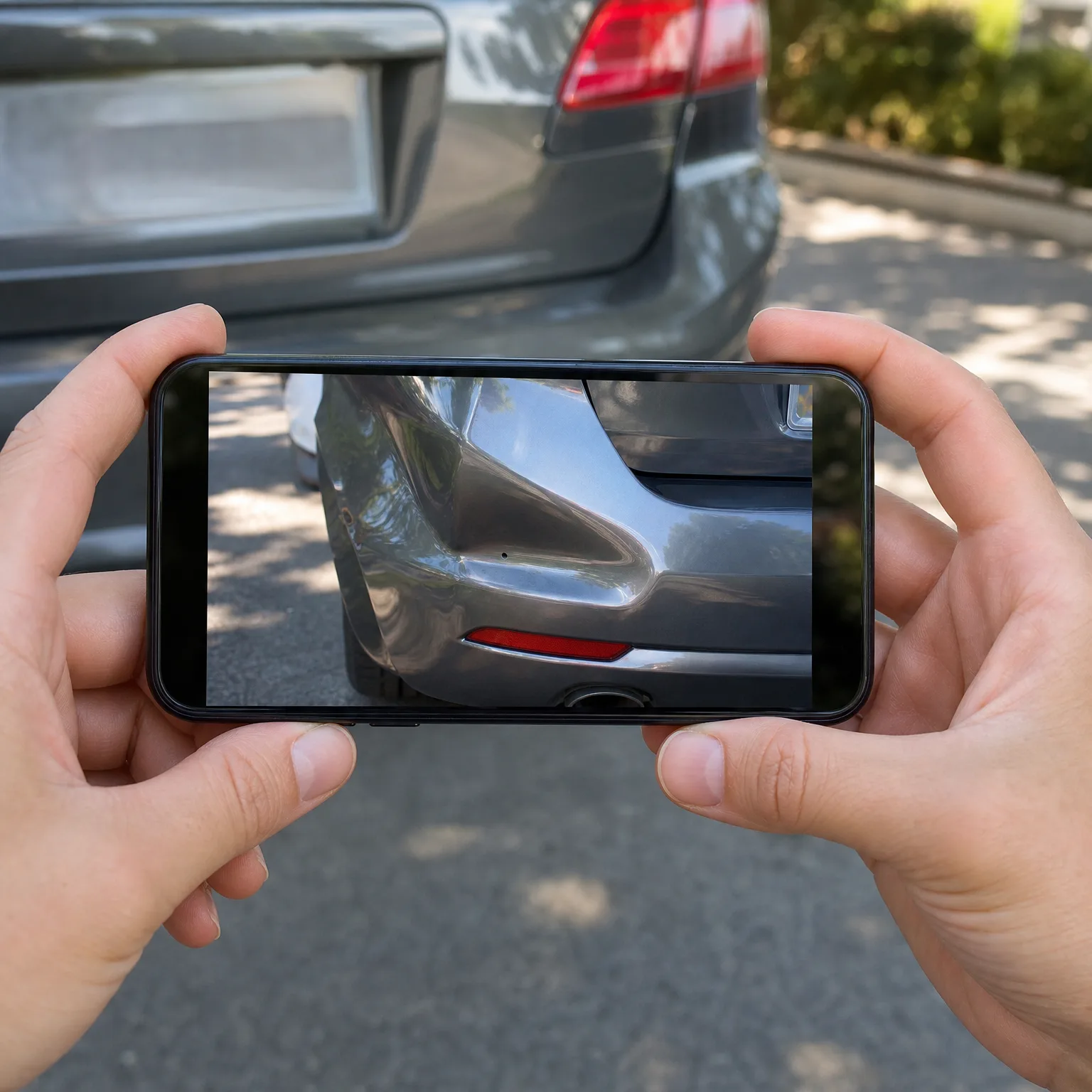
Collision is a separate coverage you add on top of liability. It pays to repair or replace your own car after a crash, regardless of who caused it, minus your deductible. If you hit a pole, hit another car, or another car hits you, collision is what fixes your vehicle.
The reason people drop collision isn't that it stops working, it's that it stops making financial sense. If your car is old enough that repairs would cost close to or more than the car is worth, collision can end up costing you more in premiums over time than it would ever pay out. That math is personal to the car, not a rule that applies to every older vehicle. What counts as liability and what collision options look like can also vary by state and by insurer, so check your state's minimum requirements and ask your insurer what your policy includes before you change anything.
If you're sorting out a policy that was in a spouse's name or deciding what to do with a car that sits unused, this distinction is usually the first thing to settle. It tells you what you're actually paying for on each car, before you decide what to keep.

What to check before you change anything
- What each car has now Pull up both cars on the policy and see whether each has collision or just liability. You may find the unused car still carries full coverage it doesn't need.
- The car's real value Look up what the car is actually worth today. If collision premiums are high relative to that value, dropping collision may make more sense than keeping it.
- Your state's minimum liability Liability limits and rules vary by state, so confirm what your state requires before you lower or cancel anything. Your insurer can tell you the current minimum.
- Who's named on the policy If your spouse was the named policyholder, ask the insurer what's needed to move the policy fully into your name. This matters regardless of which coverages you keep.
- Coverage for a parked car A car that isn't driven may still need some coverage if it's registered and stored outside. Ask your insurer what's offered for a car that sits unused.

Deciding whether to drop collision on the unused car
If you do
You stop paying for repair coverage on a car that isn't being driven, which lowers that car's premium right away. If it's ever stolen, vandalized, or damaged by weather, you'd still want comprehensive coverage kept in place, since collision and comprehensive aren't the same thing.
If you don't
You keep paying full collision premiums on a car that isn't accumulating any driving risk, which is money that isn't buying you much. If you're not ready to decide yet, that's fine, but it's worth checking the premium difference so you know what keeping it costs you.
Once you know what each car actually needs, compare quotes to see what the right coverage should cost.


A second car that nobody drives anymore
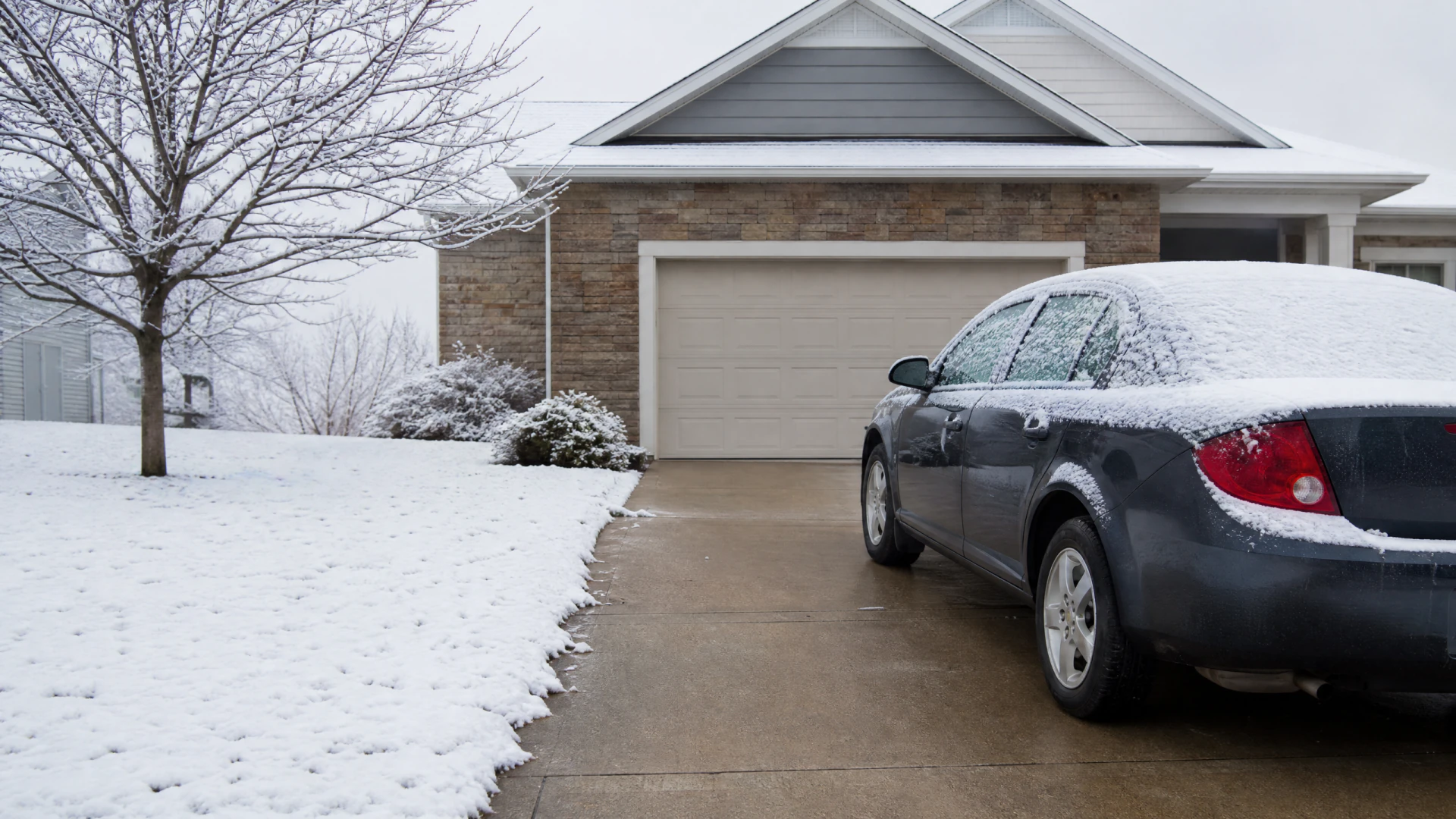
Say your spouse's car is still sitting in the driveway, still titled in their name, still fully insured with both liability and collision. You've been paying the premium without looking closely at what it covers, because sorting the policy felt like one task too many on top of everything else. When you finally call the insurer, you learn the car has full coverage identical to your own daily car, even though it hasn't moved in months.
You ask what your options are. The insurer explains that you can keep comprehensive coverage, which protects against theft or weather damage while it's parked, and drop collision since there's no driving risk. You also start the process of retitling the car in your name, which the insurer says is separate from the coverage decision but needs to happen either way. A few weeks later you've lowered that car's premium, kept enough coverage to protect it from sitting-related risks, and the title question is in motion. Nothing happened overnight, but each piece got handled in its own order.
One protects other people, the other protects your car. That difference is the whole decision.