What Is the Disadvantage of Uninsured Motorist Coverage
The main disadvantage is cost for a risk that already overlaps with coverage you may already carry, not a gap in protection.

A second car sitting in the driveway
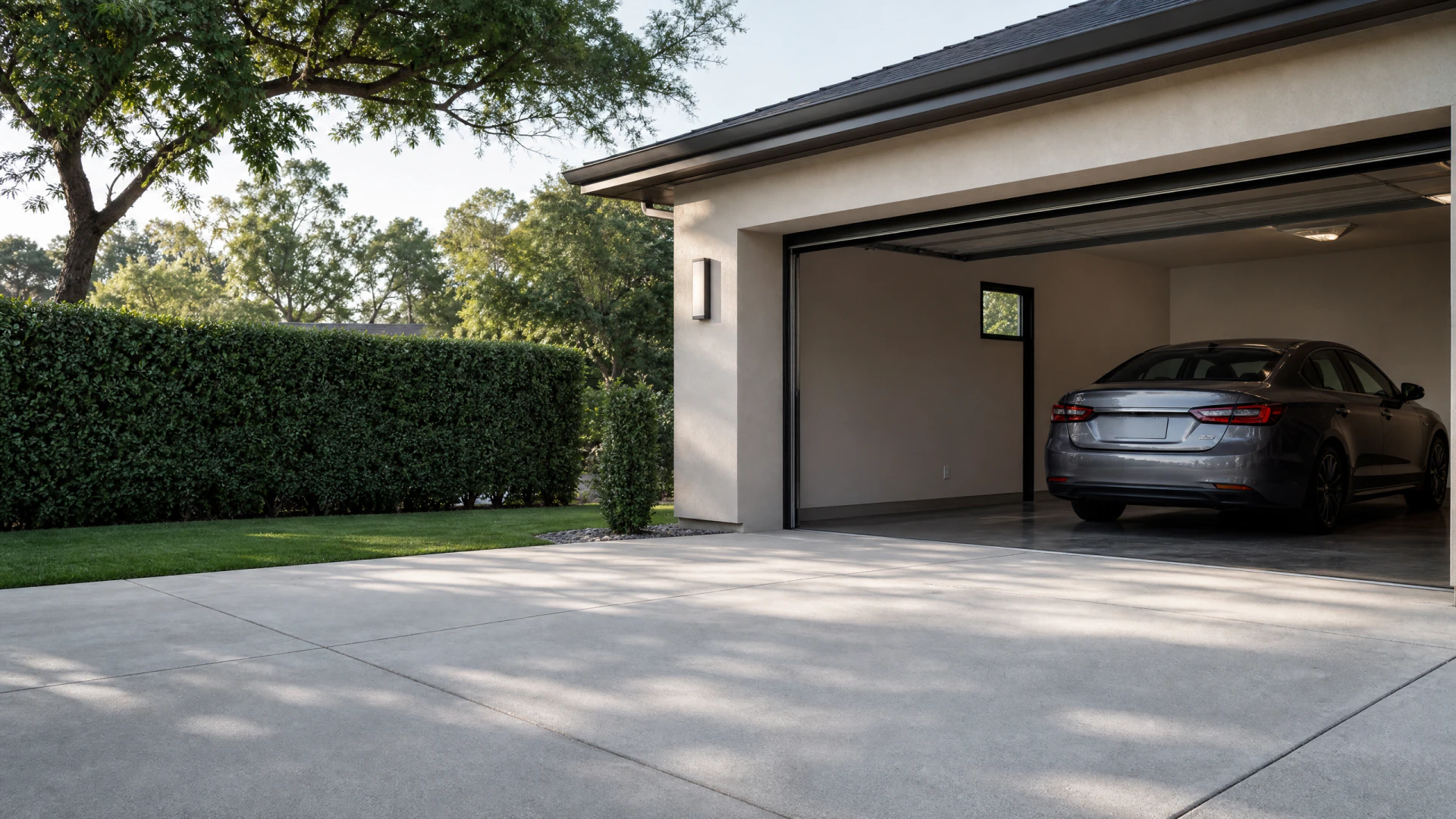
After her husband passed, Carol found two policies in his name, one for the car she drives daily and one for the car he used for his old commute, which now sits unused in the garage. Both had uninsured motorist coverage, both had collision, and both had a premium attached. She wasn't sure if dropping anything would leave her exposed.
She called to ask what each coverage actually did, and learned that her own health plan already covered a lot of what injury protection would cover in a crash with an uninsured driver. She kept uninsured motorist coverage on the car she drives, since that's where her real risk sits, and removed full coverage entirely from the car nobody drives, switching it to a minimal policy that keeps the title legal until she decides to sell. Her bill dropped, and she didn't give up protection where it mattered.
Should I just drop uninsured motorist coverage to save money?
Not usually, and here's why. The coverage exists for a specific situation, getting hit by a driver who carries no insurance at all, and that situation is common enough in most places that dropping the coverage entirely is a real gamble, not just a cost cut.
The disadvantage people run into isn't that the coverage fails them. It's that they're paying for protection that overlaps with something else they already have, like health insurance or coverage through a spouse's policy. The fix isn't removing the coverage. It's checking what else you have before deciding what's redundant, and only trimming where there's genuine overlap, not blanket removal.
Once you know what this coverage overlaps with, compare quotes knowing you're only paying for protection you still need.

Keeping uninsured motorist coverage versus dropping it
If you do
You stay protected if an uninsured or underinsured driver hits you or someone in your car. Your medical bills and lost income get covered without waiting on a court case or a driver who can't pay. For most people this is the coverage working exactly as intended, quietly, in the background.
If you don't
You're relying entirely on the other driver having insurance, or on your own health coverage and savings to absorb the cost. If they don't have insurance and you're seriously hurt, you could be covering medical bills and lost wages yourself, with no one else to collect from.
Why this coverage feels like a disadvantage when it usually isn't
The complaint people have about uninsured motorist coverage almost never comes from the coverage doing something wrong. It comes from paying a premium for a situation that feels unlikely or already covered elsewhere, and that complaint is often fair. If you have strong health insurance, some of what this coverage pays for medically might already be handled, and that overlap is the real disadvantage worth examining.
The coverage itself fills a specific gap. Liability insurance from the other driver is what normally pays if you're hit, but if that driver has none, or not enough, there's nothing to collect from unless you have this coverage yourself. States handle this differently. Some require the coverage, some make it optional, and some bundle it with underinsured motorist coverage as a single line, so what you're comparing when you look at your policy depends on where you live.
Where it works out differently is in households with multiple cars or multiple drivers, especially after a change in circumstances like losing a spouse. A policy that made sense for two active drivers might carry coverage that no longer matches how the household actually uses its cars. In that case, the disadvantage isn't the coverage itself, it's that nobody has gone back to resize it since things changed.
The honest way to think about it is to separate the coverage from the premium. The coverage protects you against a real and common risk, and removing it to save money is rarely the right trade. The premium might be worth questioning if you have overlapping protection somewhere else, and that's a conversation to have with whoever holds your policy now, not a reason to cancel the coverage outright.
The disadvantage is overlap with coverage you have, not a weakness in what this coverage does.