What Is the Downside of a High Deductible Auto Policy
A high deductible lowers your monthly bill but raises what you owe out of pocket the moment you file a claim.

Where a high deductible actually hurts you
- Cash due right away If the car is damaged, you pay the deductible before the insurer pays anything. That money has to come from savings, right when you're already managing enough.
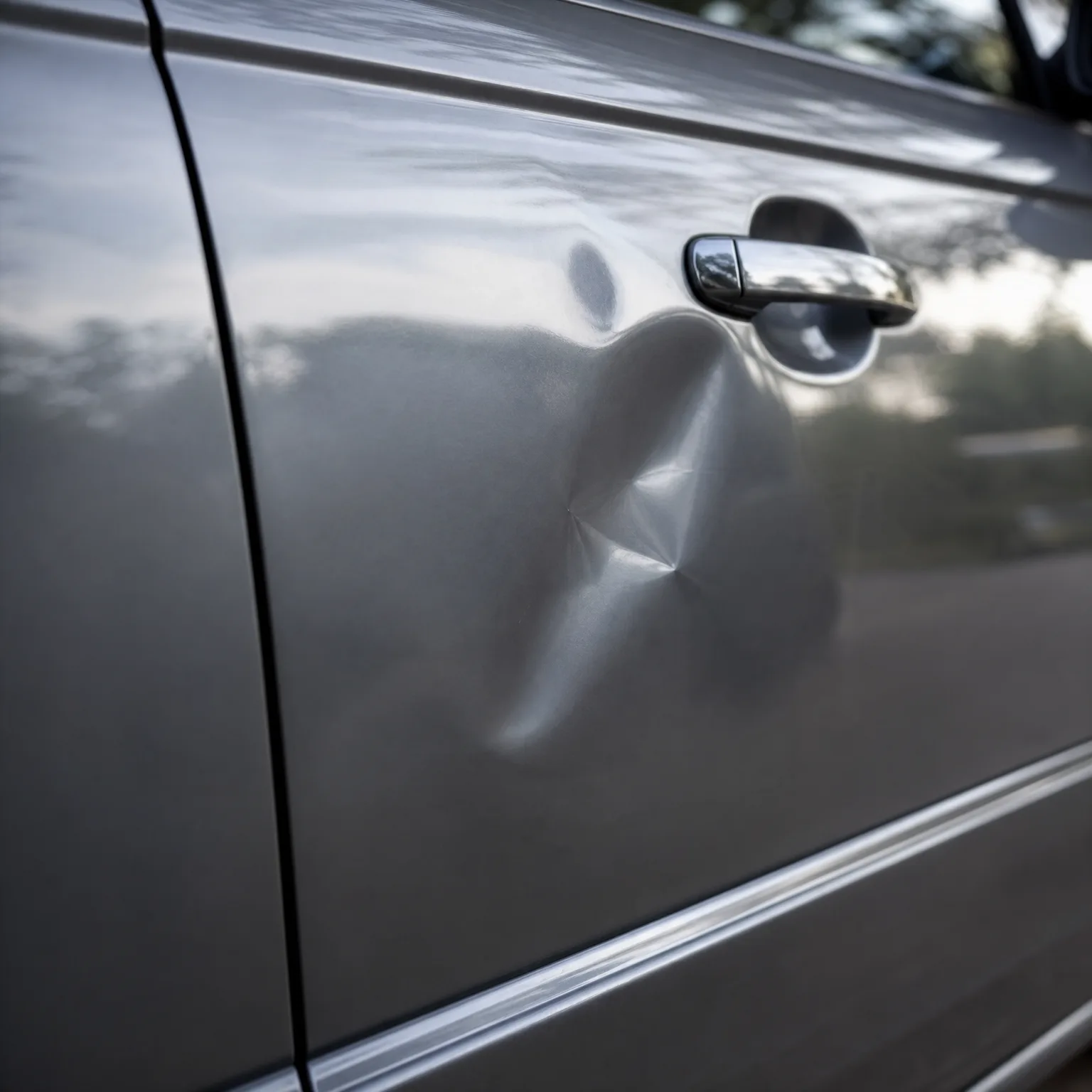
- Small claims aren't worth filing If the repair cost is close to your deductible, filing a claim may barely help you. You end up paying for minor damage yourself and saving the claim for something major.
- Two cars may need two answers If you're keeping two cars with different use patterns, the same deductible may not fit both. A car that sits unused has different risks than one you drive daily.
- It can mask a coverage gap A high deductible lowers your premium, but if you haven't reviewed the rest of the policy since your spouse set it up, you may be missing coverage you actually need. Check the full policy, not just the price.
- Raising it later isn't instant Some insurers let you change your deductible anytime, others only at renewal. Check which applies before you assume you can adjust it quickly if your situation changes.
Choosing a deductible for a car that sits in the driveway
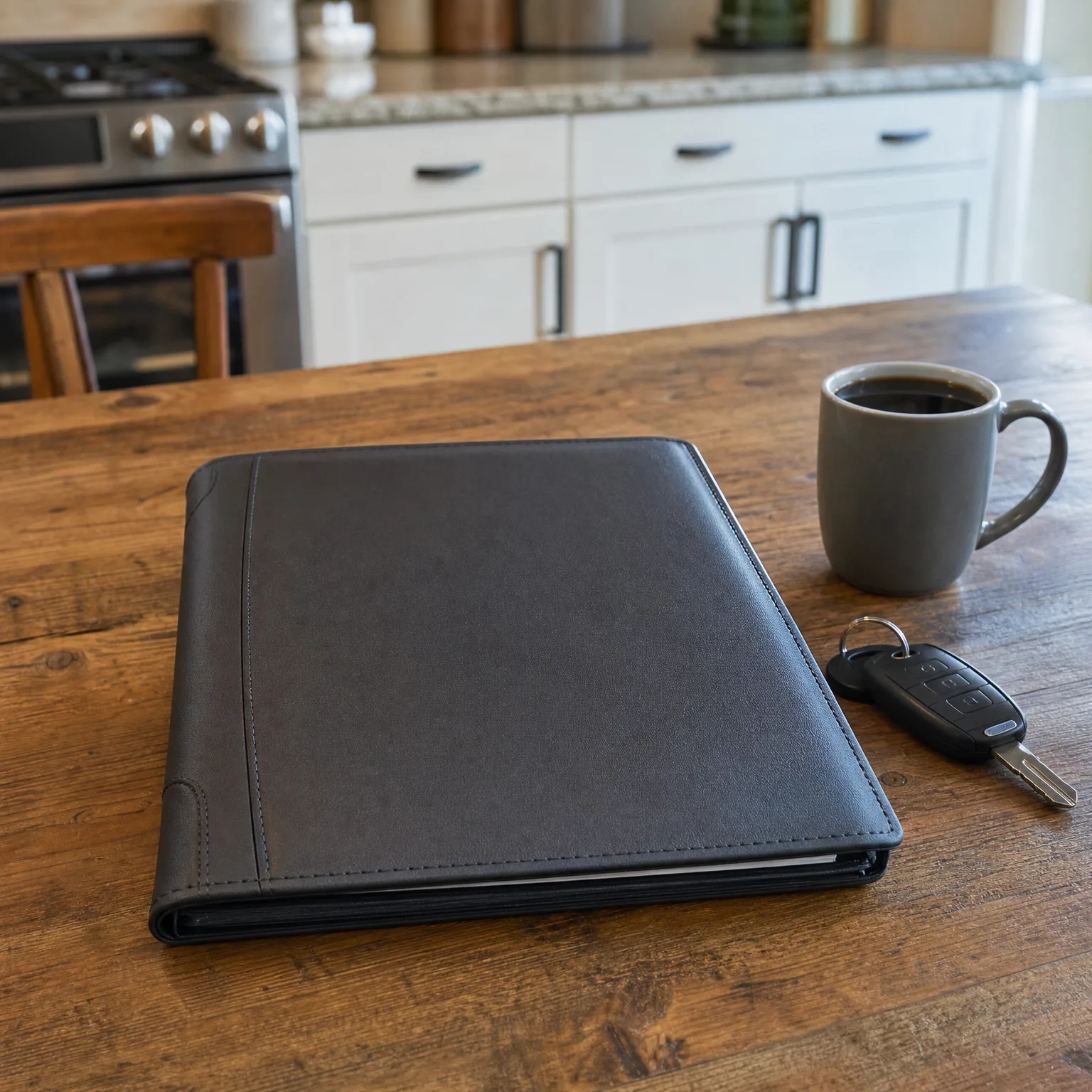
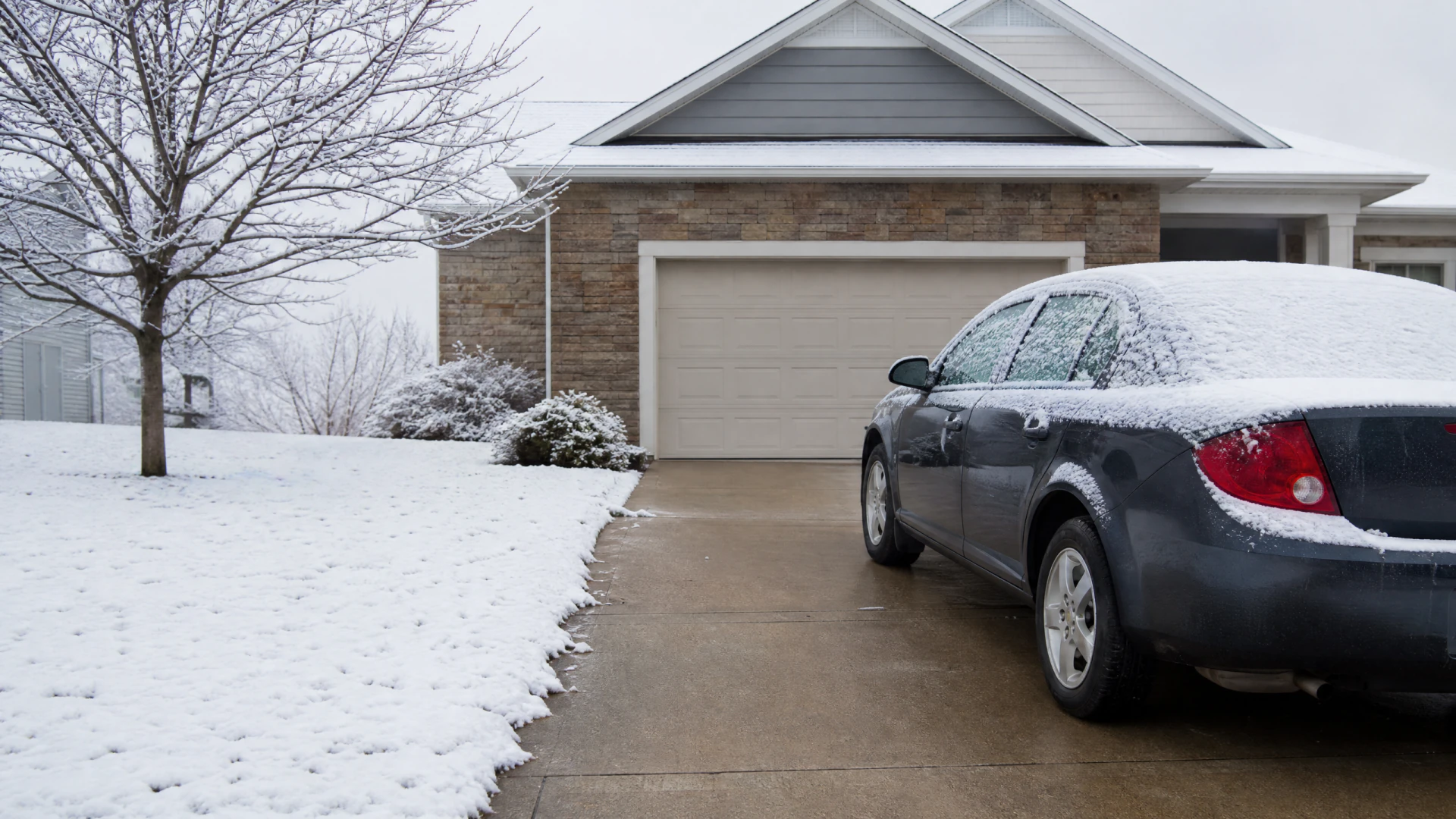
A woman in her sixties was reviewing her late husband's policy and found two cars listed, one he drove daily and one that had been sitting untouched for months. Both had the same deductible, set years earlier. She didn't need to drive the second car often, but she worried about canceling coverage altogether in case a storm or an accident damaged it while parked.
She called her insurer to ask about adjusting the deductible on the unused car separately from the one she drove. Because the parked car had lower risk of a driving accident but still faced weather and theft, she raised its deductible to lower the premium, while keeping the daily car's deductible where it was. This cut her monthly cost on a car she wasn't using, without leaving it uninsured. A few months later she sold that car and adjusted the policy again, but in the meantime she wasn't paying for protection she didn't need.
Should I just lower my deductible instead of dealing with this?
Not necessarily. A lower deductible raises your monthly premium, so you're trading a smaller bill later for a bigger one now. If you have steady savings set aside for a sudden repair, a higher deductible can save you money over time, because you're only paying extra when you actually need to file a claim.
The real question is whether you could cover the deductible today without strain. If the answer is no, lowering it makes sense even though it costs more monthly. If the answer is yes, keeping it high and banking the difference usually works out better over the years you own the car.
Once you know which deductible fits each car, compare quotes to see what that choice actually costs you.

Can I set a different deductible for each car on the same policy?
Yes, in most cases each vehicle on a policy can carry its own deductible. This matters if one car is driven daily and another sits mostly unused, since their risks differ. Check with your insurer to confirm your policy allows this and whether changing one affects the other.
What happens to the deductible if I remove a car from the policy?
Removing a car removes its deductible along with its coverage, so there's nothing left to adjust once it's gone. If you're deciding whether to keep or drop a second car, settle that decision first, since it changes whether a deductible question even applies to that vehicle.
Does a high deductible affect coverage for a total loss?
Yes, the deductible is subtracted from whatever the car is valued at when it's declared a total loss. A higher deductible means a smaller payout in that situation, so check your car's value against the deductible to see if it still makes sense, especially for an older car.
The deductible isn't just a number on the policy, it's the bill you'll face the day something goes wrong.