What Is the Most Basic Car Insurance Coverage
The most basic coverage pays for damage and injuries you cause to others, but it pays nothing toward your own car.
It protects other people, not your own car
The most basic coverage is liability insurance, and it only exists to pay for harm you cause someone else. If you hit another car or damage someone's property, it covers their repairs or medical bills up to the policy's limit. It does not pay to fix your own car or treat your own injuries, no matter who caused the accident.
This is the layer every state requires in some form, because the whole system is built around making sure people can pay for damage they cause. What varies by state is how much coverage you're required to carry and whether anything else is required alongside it, like coverage for injuries to yourself or protection against a driver with no insurance at all. Check your state's requirements directly, since they differ and they change.
Whether liability alone is enough depends on what you're protecting. If a car is paid off and worth very little, many people choose to carry only liability, because paying extra to protect a car's value that's already low doesn't make financial sense. If a loan or lease is involved, the lender almost always requires more than the basic liability coverage, so you don't get to choose on that car.
This matters right now because you may be looking at two policies, or two cars, that don't need the same answer. A paid off car no one drives might reasonably carry only the basics. A car still being driven daily, or one with a loan attached, usually needs more. The decision isn't one size fits all, even within the same household.
What to check before you simplify a policy
- What the state requires Your state sets a minimum for liability coverage, and it may require more. Look up the current requirement before changing anything, since it's the floor, not a suggestion.
- Whether a loan is attached If either car has a loan or lease, the lender requires more than basic liability. Check the loan paperwork or call the lender before dropping any coverage.
- What the car is actually worth A car's current value, not what was paid for it, determines whether extra coverage makes financial sense. Get an honest estimate before deciding to simplify.
- Who else drives the car If anyone else regularly drives the car, their driving record and age affect what coverage makes sense. Confirm who's listed on the policy before making changes.
- What happens to an unused car A car that sits unused still needs some coverage unless it's formally taken off the road. Ask your insurer what's required to pause or reduce coverage on it.
Should I drop everything but basic coverage on the car we don't drive anymore?
Not automatically. If the car is paid off, isn't being driven, and you're comfortable paying out of pocket for any damage to it, reducing to basic liability coverage can make sense and will likely lower the cost.
But there are a few things to check first. If the car is still registered and parked somewhere it could be hit, stolen, or damaged by weather, dropping all coverage beyond liability means you'd have no way to recover that cost. Also confirm there's no loan left on it, since a lender's requirement overrides your preference. If you're truly not going to drive it and don't want to insure it at all, ask your insurer about formally suspending coverage and registration instead of just lowering it, since an uninsured car sitting on the road can still create problems depending on your state.
Once you know which coverage each car actually needs, compare quotes to see what that looks like at a real price.

Simplifying the policy on the car that sits unused
If you do
You lower the monthly cost right away, since basic liability is cheapest. You accept that any damage to that car, from weather, theft, or an accident, comes out of your pocket. If you drive it again, revisit the coverage, since it may not be enough once it's back on the road.
If you don't
You keep paying for coverage built for daily driving, on a car that isn't driven daily. That may mean paying to protect value the car no longer has much of. Nothing changes until you look at the policy and decide, so the cost keeps running the same, whether the car moves or not.
Deciding what to do with a car no one drives anymore
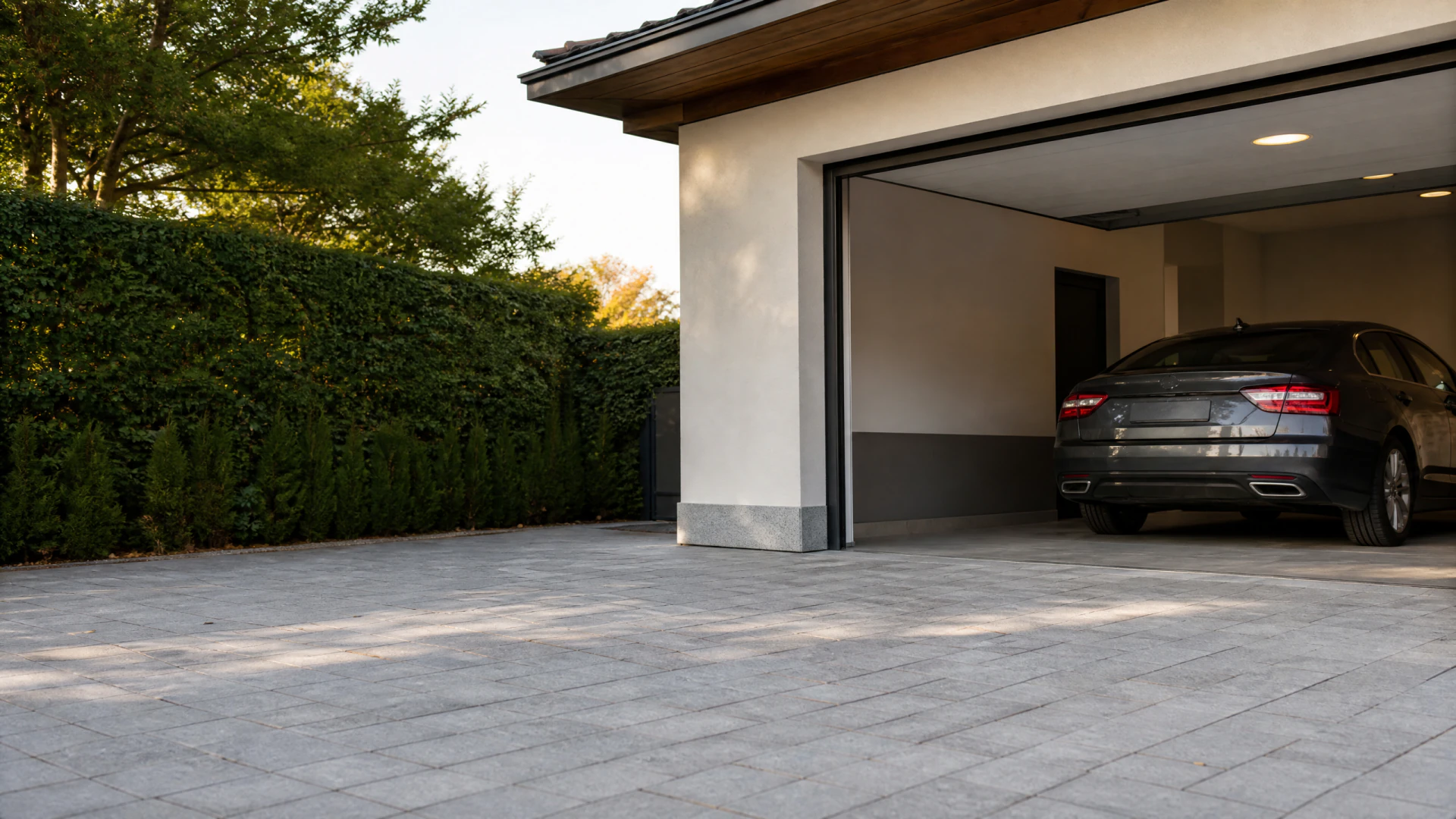
A woman in her sixties found herself with two cars on one policy after her husband passed away. He had handled the insurance for years, and she wasn't sure what was on each car or why. One car was hers, driven daily. The other had been his, paid off years ago, and now sat in the garage with no clear plan.
She called the insurer and asked them to walk through both policies line by line. Her car needed to stay as it was, since she drove it every day and still had a small loan left. His car had no loan and wasn't being driven, so she reduced it to the most basic coverage the state allowed, enough to keep it legally parked and registered without paying for protection she didn't need. She also asked what it would take to suspend the coverage entirely if she eventually sold the car, so she'd know her options. The change lowered her monthly cost, and more than that, it gave her a clear answer for a decision she'd been putting off for weeks.