What Is the Most Common Liability Coverage
Most drivers carry split limits for bodily injury and property damage, but what you need depends on your situation, not what's typical.
What to check before you decide anything
- Find the actual limits Look at the declarations page for three numbers, like bodily injury per person, per accident, and property damage. These tell you what's covered now, not assumptions.
- Compare to what you own Liability protects your assets if you're at fault, so the right amount depends on what you have to protect. A policy set up years ago may no longer match your situation.
- Check state minimums separately Every state sets its own minimum liability requirements, and they're usually lower than what's commonly carried. Ask your insurer what your state requires and what you currently have.
- Decide before you shop Know what limits you want before you start comparing quotes. It keeps you from accepting whatever a new policy defaults to.
- Don't let coverage lapse If you're unsure what to change, keep the policy active while you sort it out. A lapse can raise costs later even if the coverage itself was fine.
A policy that still fit, once she checked
Carol's husband had managed their insurance for over twenty years, and after he passed she found the policy still active with two cars listed, one of which nobody drove anymore. She didn't know what the liability limits meant or whether they were enough. She called the insurer, asked them to read back the declarations page, and wrote down the three liability numbers along with what her state required.
She realized the limits were higher than her state's minimum, which made sense once she thought about the house and savings she and her husband had built together. Those were still hers to protect. She decided to keep the liability limits as they were, but removed the second car from the policy and arranged to sell it. The premium dropped, the coverage she needed stayed in place, and she didn't have to guess at what was enough. She compared quotes afterward with those two decisions already made.

The right amount of liability coverage depends on what you have to protect, not on what other people carry.
Once you know the limits you need, compare quotes to see what it costs to carry them.
Is the liability coverage on our old policy still enough for me now?
It might be, but you have to check rather than assume. The amount of liability coverage that makes sense depends on what you personally have to protect, meaning savings, property, and future income, not on what was right for your household before.
If your financial situation changed when your spouse passed, for instance if you inherited assets or your income shifted, the limits that made sense before might not fit anymore. Pull the declarations page, write down the actual numbers, and think honestly about what you'd need protected if you were ever at fault in a serious accident. If you're unsure, an independent agent or your insurer can walk through it with you without pushing a specific number.
Why liability coverage works the way it does
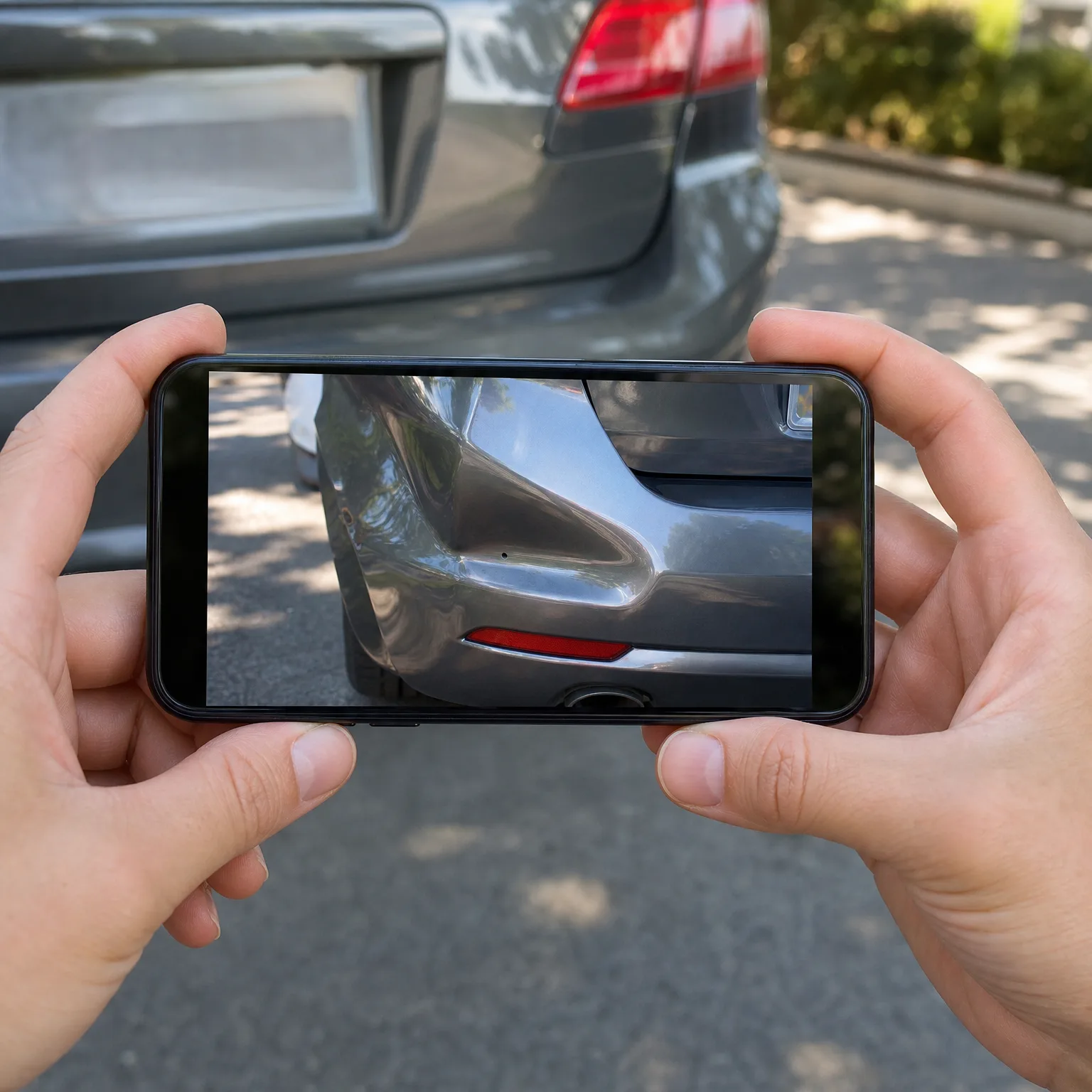
Liability coverage pays for harm you cause to someone else, their car, or their property when you're at fault. It doesn't cover your own car or your own injuries, which is why it's often paired with other coverages, but liability itself is required almost everywhere because it protects other people from the cost of your mistake.
States set minimum liability requirements, and those minimums vary quite a bit. Many drivers carry more than the minimum because the minimum often isn't enough to cover a serious accident, and if a judgment exceeds your coverage, you can be personally responsible for the rest. That's the main reason higher limits are common even though they're not required.
What counts as enough depends on what you have to lose. Someone with a home, retirement savings, or other assets generally has more reason to carry higher limits, because those assets are what a lawsuit could go after. Someone with few assets may still choose higher limits simply for peace of mind, since medical and repair costs can be high regardless of what you own.
Where this plays out differently is in households going through a change, like the one you're in now. A policy set up jointly may reflect two incomes and two sets of assets, and it's worth checking whether the coverage still matches your situation alone. This isn't about right or wrong, it's about whether the numbers still make sense for you.
Do I need full coverage or just liability on my spouse's car?
It depends on the car's value and whether you'll keep driving it. If it's older or worth little, liability alone may be enough since repair or replacement costs would be low. If it's newer or still has a loan, full coverage protects you against a bigger loss. Check the car's current value and whether there's a loan before deciding.
Can I remove my spouse's name from the policy without losing coverage?
Yes, insurers handle this regularly and coverage continues without a gap. You'll usually need a copy of the death certificate and will update the policy to your name alone. Call your insurer directly to confirm what documents they require, since this can vary by company.
Should I cancel insurance on the car nobody drives anymore?
Not necessarily, since an unused car still needs some coverage until it's sold or transferred. If it's not being driven, ask about reduced coverage for a stored or unused vehicle instead of canceling outright. Canceling entirely can leave it unprotected if it's damaged, stolen, or involved in an incident while parked.