What Makes a Good Car Insurance Policy
A good policy matches the coverage to the people and cars you actually have today, nothing left over from before.
It fits your real situation, not an old one
A policy is good when it matches what's true right now, who drives, what they drive, and what you'd need if something went wrong. When a household changes, through a loss or any other reason, the policy often doesn't change with it automatically. It keeps running on the old facts until someone updates it.
The coverage amounts matter more than the price tag. Liability limits decide what's protected if you're responsible for an accident, including things beyond the car itself, like savings or future income. Many policies carry limits chosen years ago for a different set of circumstances, and those limits deserve a second look rather than an assumption that they're still right.
Who's listed on the policy matters just as much as what's covered. A policy still listing a spouse who has passed, or structured around two drivers when there's now one, isn't wrong exactly, but it isn't current either. Insurers handle this differently, so what needs to change and how depends on the company, and it's worth asking directly rather than guessing.
A second car with no regular driver changes the math too. Keeping full coverage on a car nobody uses costs more than it needs to, but dropping coverage entirely can leave you exposed if the car is still titled, stored, or driven occasionally. The right middle ground depends on how the car is actually used, and that's a question only you can answer, not a rule that applies the same way everywhere.

The short version
A good policy reflects your household as it is now, the right people, the right cars, and limits that actually protect what you have. Review who's listed, what's covered, and whether a second car needs full coverage. Start by pulling the current policy and checking those three things before you compare anything new.
What to check before you decide anything
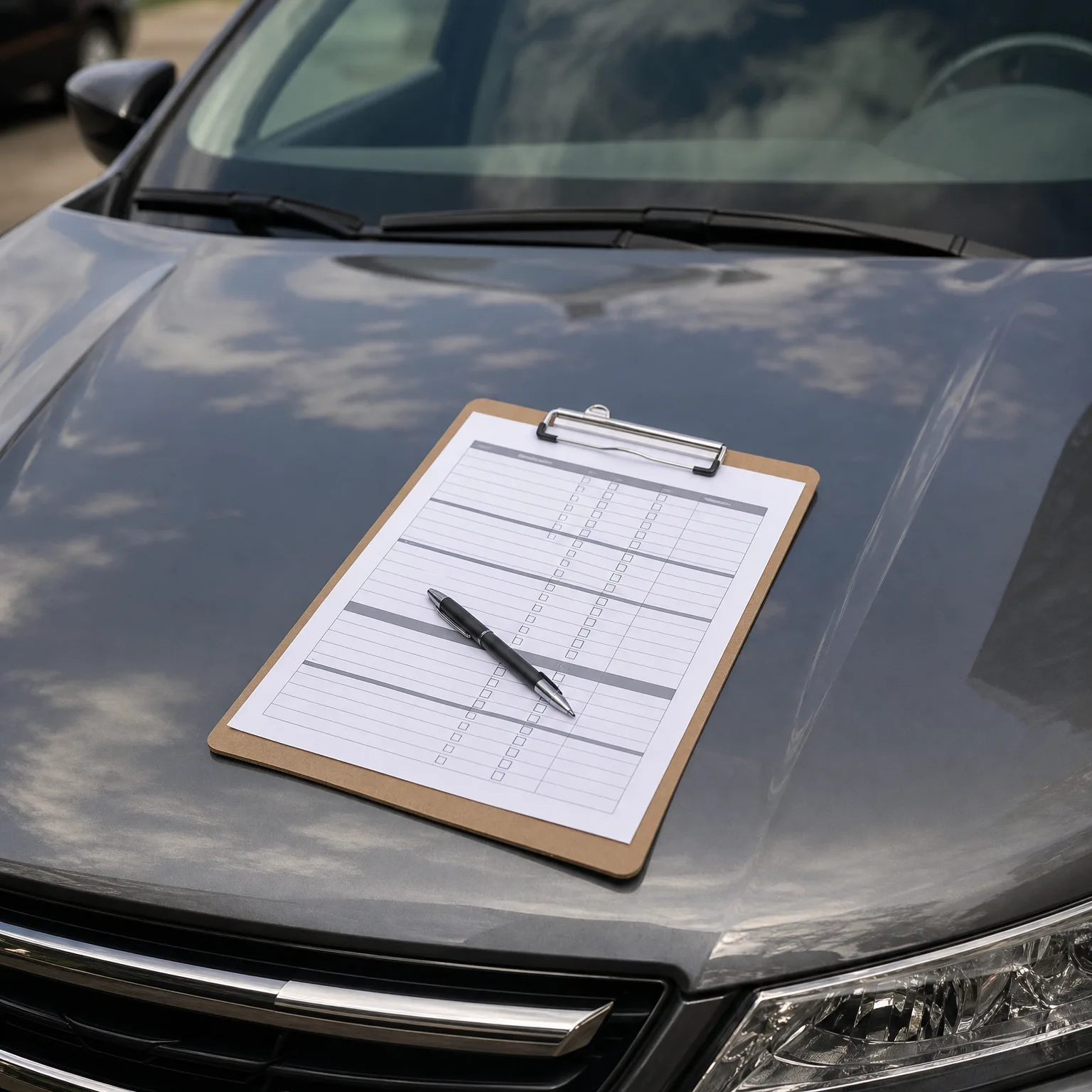
- Who's listed as a driver If a spouse or partner is still listed, that needs to be addressed with the insurer directly. How it's handled varies, so ask rather than assume.
- Liability limits These protect more than the car, they protect your savings and income if you're at fault. Check the current limits and whether they still make sense for you.
- Coverage on an unused car A car nobody drives regularly may not need full coverage, but it may still need something. Base the decision on how the car is actually used and stored.
- Discounts tied to the old setup Some discounts depend on having two drivers or two cars insured together. Ask what changes if that setup no longer applies.
- Whose name is on the title Insurance and title aren't the same thing, but they're connected. If a title needs updating, that can affect how the car should be insured in the meantime.
Once you know what your policy needs to look like, compare quotes built around that, not the old one.

Do I need to change anything right away, or can it wait?
Nothing about insurance forces an immediate change the moment a household changes. A policy stays active and valid as written until you update it, so there's no lapse in coverage just because circumstances changed. That said, waiting too long can mean paying for coverage structured around people or cars that no longer fit your situation, or missing a chance to adjust limits that matter more now than before.
The honest answer is that it depends on what specifically needs updating. Removing a driver or adjusting coverage on an unused car is usually something you can do on your own timeline, whenever you're ready to deal with the paperwork. Liability limits are worth checking sooner rather than later, since those protect you if something happens in the meantime. There's no single deadline here, but there's also no benefit to leaving it indefinitely once you have the energy to sit down with it.
The policy doesn't update itself when your life does, so nothing changes until you ask for it to.