Who Is Liable if Someone Borrows Your Car
In most cases, your car insurance pays first when someone borrows your car with your permission, no matter who was driving.
Your policy follows the car, not the driver
Car insurance is built around the vehicle. The policy you bought covers that car wherever it goes and whoever is behind the wheel, as long as you gave them permission to drive it. That's why your coverage is usually the first one to respond after an accident, even if you weren't anywhere near the car when it happened.
The borrower's own insurance typically only gets involved if your coverage runs out. If the damage or injuries cost more than your policy limits allow, the borrower's insurer can be asked to cover the rest. This is sometimes called excess coverage, and it depends on the limits both of you carry, so knowing your own limits matters more than you might think.
Permission is the detail that changes everything. If you lent the car willingly, even just for an afternoon, you're generally on the hook as the owner. If someone took your car without asking, that's a different situation entirely, and your insurer will usually want a police report or some proof it wasn't authorized.
State rules shape some of the details, like how fault is decided or whether the borrower's insurer has to contribute at all. Check with your insurer directly about how your state handles shared responsibility, since this is one area where the broad strokes are consistent but the fine print isn't.

The short version
If someone borrows your car with your okay and causes an accident, your insurance pays first, up to your policy limits. Their insurer may help only if damages go beyond that. The one thing to do now is confirm your own limits are high enough to cover a real accident, since that's the number doing the work here.

A sister borrows the car for a weekend and gets in a fender bender
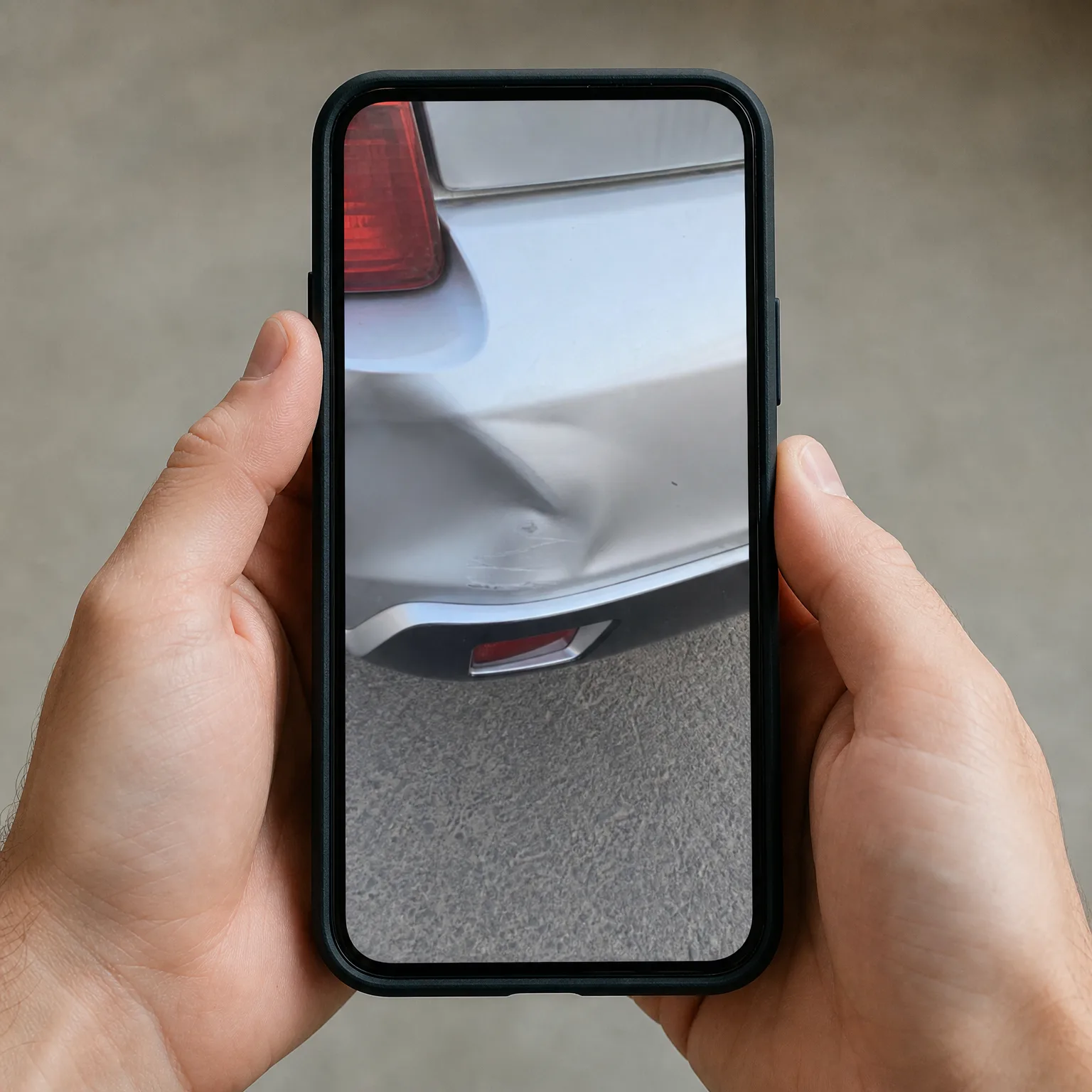
Say your late husband's car has been sitting in the driveway, and your sister asks to borrow it for a few days while her car is in the shop. You say yes. While she's driving it, she rear-ends someone at a stoplight. Nobody is badly hurt, but both cars need repairs, and the other driver files a claim.
Because you gave permission, your insurance is the one that responds first. The claim goes through your policy, and your insurer handles the repair costs and any other driver's damages up to your coverage limits. Your sister's own insurance isn't involved unless the costs exceed what your policy pays out, which didn't happen here. Your rates may be affected depending on your insurer's rules, but the legal and financial responsibility sits with your policy, not hers, because the car itself was yours to insure.
Now you know whose policy answers first, so compare quotes to be sure your coverage can carry that responsibility.

Deciding whether to let someone else drive your car
If you do
If you let someone borrow the car, your policy is the one that answers if anything goes wrong. Confirm your limits are solid beforehand, and consider telling your insurer who regularly drives the car, especially if it's becoming a routine arrangement rather than a one-time favor.
If you don't
If you decide not to lend the car, you avoid any question of who's responsible entirely. This can feel simpler, especially if you're still sorting out whose name is on the title or if the car isn't being driven much anyway. There's no downside to waiting until you're ready.
Does my insurance go up if someone else drives my car and crashes it?
It can, but it depends on your insurer and your claims history, not on the fact that someone else was driving. Because the claim is filed under your policy, it's treated like any other claim tied to your coverage. Check with your insurer about how one claim affects renewal rates. If this was a rare, permitted use of the car rather than a regular arrangement, some insurers weigh that differently when deciding what happens at renewal.
What if the person driving my car isn't listed on my policy?
They're usually still covered, as long as you gave permission and they don't live in your household. Most policies extend to occasional permitted drivers automatically. The exception is someone who lives with you regularly, like a grown child or new partner, since insurers often expect household members to be listed by name. Check your policy's definition of who's covered, because this is one detail that varies by insurer.
Should I take my late spouse's name off the title before letting anyone borrow the car?
Not necessarily right away, but it's worth sorting out soon, since the title and the insurance policy should eventually match. Lending the car while the title transfer is still pending usually doesn't cause an issue by itself. Check with your state's motor vehicle office about how long you can wait, since timelines for retitling a vehicle after a death vary by state.
The car carries the coverage, not the driver, so your own limits matter more than whose fault it was.