Who Pays Medical Bills After a Car Accident
Your own policy usually pays your medical bills first, no matter who caused the accident, depending on what coverage is on it.
Your own coverage usually responds before anyone argues about fault
Car insurance is built so medical bills get paid quickly, before anyone has settled who was at fault. That's why your own policy, through coverage like medical payments or personal injury protection, is usually the first place a bill goes. Fault gets sorted out separately, often later, through the claims process or between insurers.
Some states require a certain kind of coverage for this exact reason, so medical bills don't sit waiting on a fault determination. Other states leave it optional, which means what happens next depends heavily on what you and your spouse chose when the policy was set up. This is one of the first things worth checking now, since it may not match what you'd expect.
If the other driver is clearly at fault, their liability coverage can eventually reimburse costs, but that process takes time and often involves negotiation or even a claim dispute. It is not usually the first payer, even when fault seems obvious. Health insurance can also come into play, paying bills directly and then seeking reimbursement later if another policy is found responsible.
Where things get different is when a second car, rarely driven, is involved. Coverage can still apply, but how it applies depends on how that car is insured and titled, so it's worth confirming rather than assuming it works the same as your main vehicle.
What actually determines who pays first
- Your own policy's coverage Check if the policy has medical payments or personal injury protection. This is usually what pays first, regardless of fault, so it matters more than who caused the crash.
- Your state's rules Some states require this coverage, others don't. Confirm what applies where you live, since it changes what you can count on automatically.
- The other driver's coverage This may reimburse costs later if they're found at fault. It's a slower, separate process, not the first source of payment.
- Health insurance as backup Health insurance can pay bills directly, then seek reimbursement later. Keep records of every bill in case this happens.
- Coverage on a second car If there's a car that isn't driven much, confirm its coverage still applies the same way. Don't assume it matches the main policy automatically.

Once you know what pays your medical bills, compare quotes to make sure that coverage stays solid.
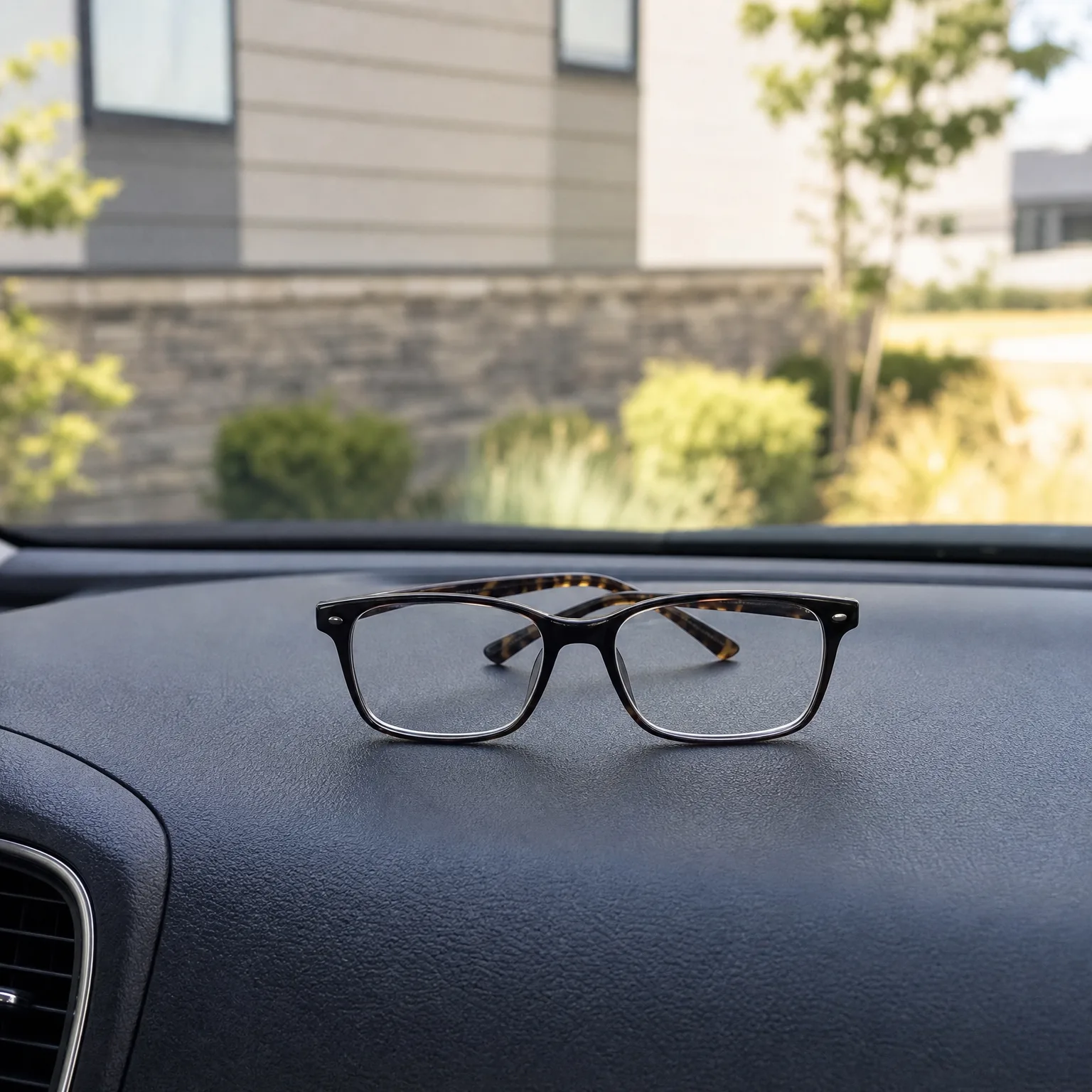
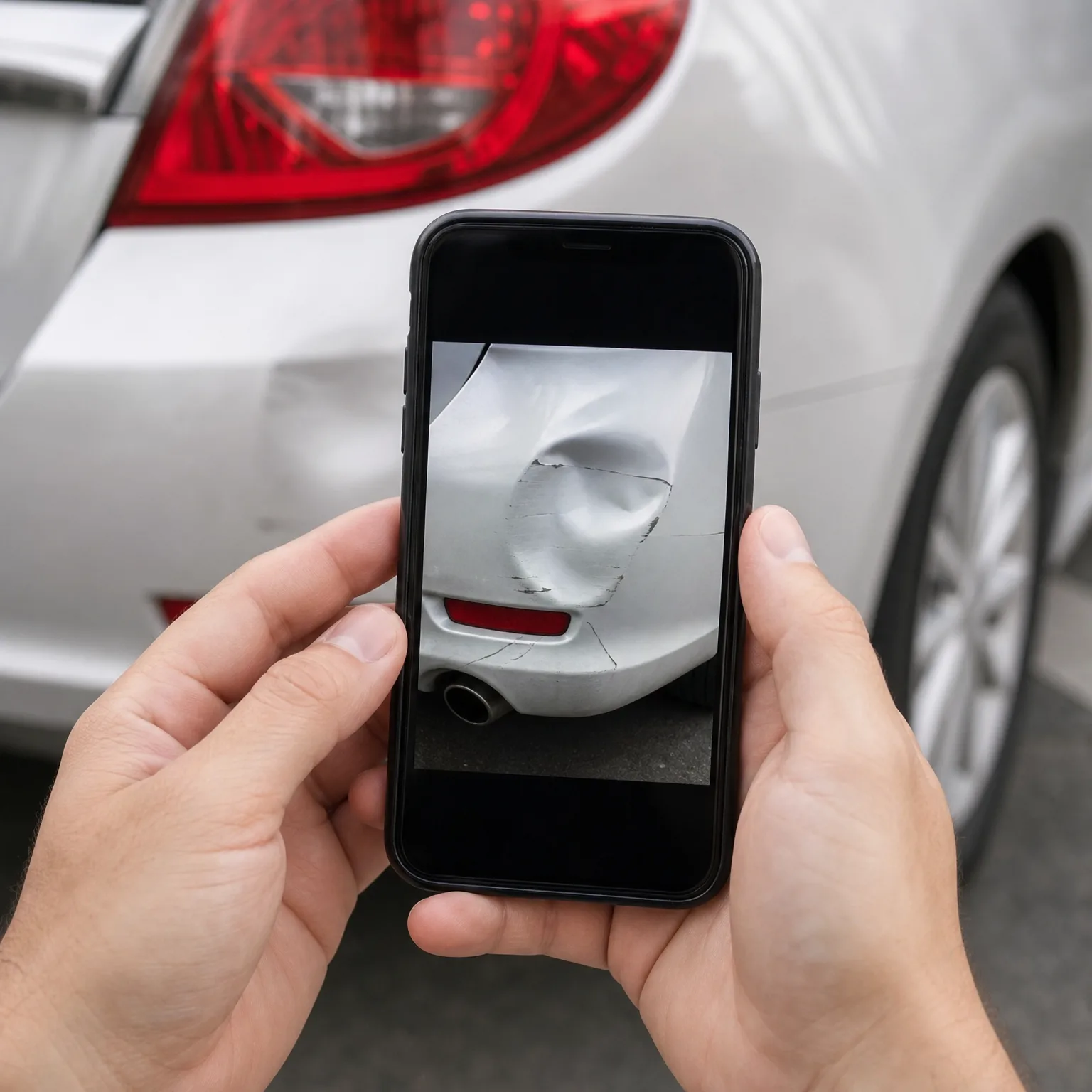
A rear-end accident with bills arriving before fault is settled
Someone in this situation was rear-ended at a stoplight. The bills from the emergency room came within days, long before the other driver's insurer had even finished reviewing the claim. She called her own insurer first, since that was the policy she had access to, and learned it included medical payments coverage her spouse had chosen years earlier.
That coverage paid the bills directly, without her needing to prove fault or wait on the other driver's insurer. Weeks later, once fault was confirmed, the other driver's liability coverage reimbursed some of those costs. She didn't have to choose between paying out of pocket and waiting. Knowing which policy to call first made the entire process faster and far less stressful.
The bill doesn't wait for fault to be decided, and neither should you. Call your own insurer first.
What if I don't know what medical coverage is on the policy?
That's common, especially if your spouse handled the insurance. The fastest way to find out is to call the insurer directly, give them the policy number, and ask specifically whether it includes medical payments coverage or personal injury protection. They can tell you exactly what's active right now, without you needing to interpret paperwork.
If you can't find the policy number, your state's insurance department or the agent listed on past bills can usually help you track it down. It's worth doing this before anything happens, not after, since knowing what's covered changes how you'd handle a bill that shows up unexpectedly. This is also a natural moment to decide if the coverage still fits your situation, especially if a car is sitting unused.