Why Did My Car Insurance Go Up if Nothing Changed
Your rate can rise even with a perfect record because insurers are pricing in costs and risks that have nothing to do with you.
Insurers price the pool, your claims history, and the area you live in
Your premium was never just about your own driving record. Insurers set rates by pooling everyone who shares your coverage area, your age group, and your type of vehicle, then dividing the cost of all the claims that pool is expected to generate. When repair costs rise, when medical costs rise, when more people in your area file claims or when lawsuits in your state get more expensive to settle, your insurer raises rates across the whole pool, including you, even though you personally filed nothing and changed nothing.
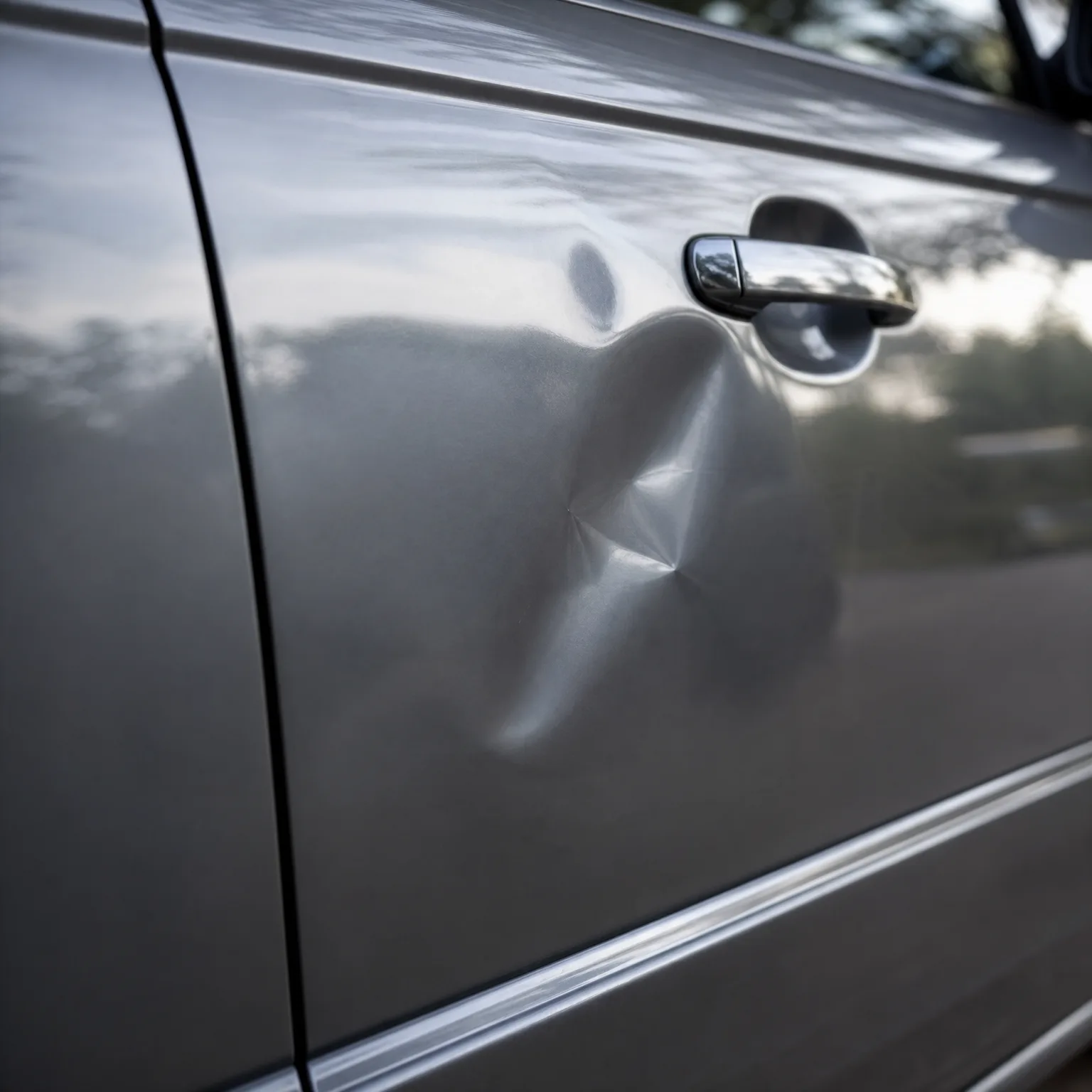
Your car itself can also cost more to insure as it ages or as parts and labor get pricier, especially if it uses newer technology that's expensive to repair. A single ticket or accident can also take months to show up fully in your rate, since insurers sometimes phase the increase in or apply it at your next renewal rather than immediately.
Where you live matters more than most people realize. If your state or city saw a jump in accidents, theft, severe weather claims, or uninsured drivers, your insurer may raise rates for everyone in that area regardless of your own record. This is set by the insurer's claims data for your region, so it varies by company and by state, and it's worth checking whether your specific insurer cites regional claims trends as a factor.
Finally, insurers periodically recalculate risk models using new data, and these recalculations can shift your rate even between renewals with no incident at all. This is normal and happens industry wide, though the timing and size of the adjustment differs by insurer.
What actually moves your rate when your driving hasn't
- Rising repair costs Parts, labor and newer vehicle technology cost more to fix than they used to. Ask your insurer if your specific vehicle's repair costs rose, since this varies by make and model.
- Claims in your area More accidents, thefts or weather claims near you raise costs for everyone insured there. Check if your insurer cites regional trends, since this varies by company and state.
- Your policy's age Discounts for loyalty or claims-free years can shrink or disappear at renewal. Ask your insurer directly which discounts you still qualify for and which ones lapsed.
- A household change Someone else on your policy may have had an incident, or a car's usage changed. Review your declarations page to see if anything there shifted without you noticing.
- A model year update Insurers periodically re-run risk calculations using fresh industry data. This can raise your rate with zero personal cause, so ask if this was a scheduled recalculation.

The increase isn't a verdict on your driving. It's a sign the pool you're priced with got more expensive.
Once you know why your rate rose, compare quotes to see if another insurer prices your risk more fairly.

Do you call your insurer to ask why your rate rose
If you do
You'll get a specific reason, whether it's regional claims, a lapsed discount, a household change, or a model recalculation. You can ask if anything is adjustable, like updating mileage or removing an unused driver, and you'll know whether shopping around makes sense.
If you don't
You'll keep paying the new rate without knowing if it's fair or fixable. You might miss a lapsed discount you could restore, an error on your policy, or a chance to negotiate before your next renewal locks the price in further.
Can I get my car insurance rate lowered back down?
Sometimes, if the increase came from something adjustable like mileage, a lapsed discount, or a correctable error on your policy. Call your insurer and ask specifically what changed and whether any of it can be revisited. If the increase came from regional claims trends or industry-wide recalculations, it likely won't be reversed, but you can still ask about new discounts or compare quotes elsewhere to see if another insurer prices the same risk lower.
Will my rate keep going up every year even if I never file a claim?
It can, especially if costs in your area or industry-wide keep rising, though it isn't guaranteed. Ask your insurer whether your recent increase was a one-time regional or model-year adjustment or part of an ongoing trend. If it keeps happening annually with no changes on your end, that's a strong signal to compare quotes from other insurers, since your current one may simply be pricing your pool higher each year.
Does switching insurers reset my claims-free discount?
It depends on the insurer, since some recognize your claims-free history from your previous policy and others start you at a lower discount tier. Ask any insurer you're considering how they treat continuous coverage and claims history from elsewhere before you switch. This varies enough by company that it's worth confirming in writing, especially if your discount was a meaningful part of your previous rate.