Will Insurance Go Up After an Uninsured Motorist Claim
In most cases, no, because an uninsured motorist claim isn't treated as your fault, though it's worth confirming with your insurer.
It comes down to who caused the accident, not who filed the claim
Insurers set rates mostly based on fault. When you file an uninsured motorist claim, you're asking your own policy to cover damage someone else caused, and that person simply didn't have insurance to pay for it. Since you didn't cause the crash, most insurers don't count it against you the way they would an at-fault accident.
That said, insurers are businesses that watch patterns, not just fault. If you file several claims in a short period, even no-fault ones, some companies may see you as more likely to file again and adjust your rate at renewal. This isn't universal, but it happens enough that it's worth knowing.
State rules also shape this. Some states have laws limiting or banning rate increases after not-at-fault claims, including uninsured motorist claims. Other states leave more discretion to the insurer. Because of this, the honest answer is that it depends partly on where you live, and checking your state's rules or asking your insurer directly will tell you more than any general rule can.
There's also a practical wrinkle. If the accident caused enough damage that you needed other coverages too, like collision, the uninsured motorist portion of the claim is usually the part that stays protected from rate hikes, while other parts of the claim might be treated normally. Knowing which coverage paid for what can matter if your rate does change.
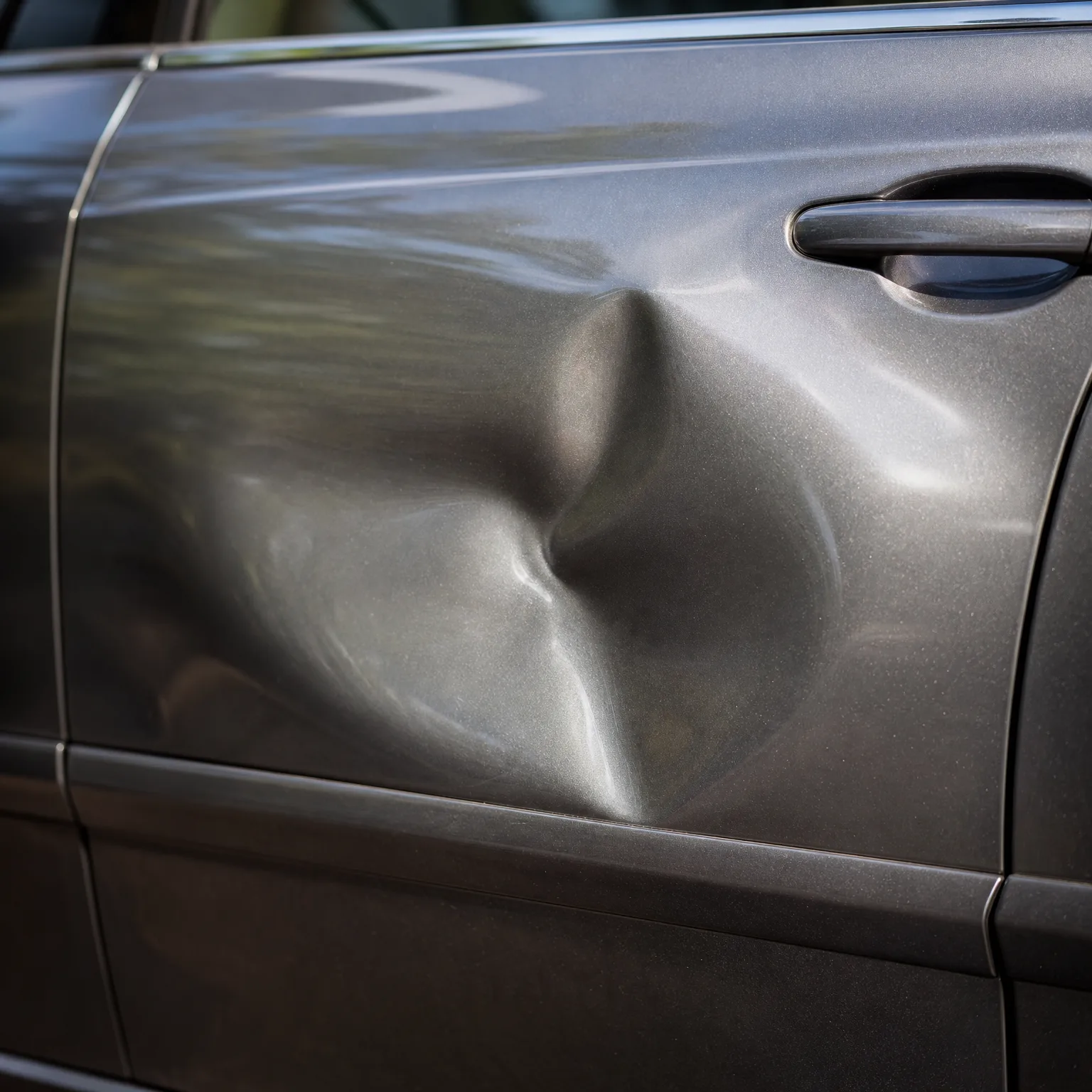
A rear-end hit from a driver with no insurance
Someone is stopped at a light when another driver rear-ends them. The other driver has no insurance and no way to pay for the damage. The driver who was hit files an uninsured motorist claim with their own insurer to cover repairs and medical costs, since there's no other way to get paid.
At renewal, the rate stays the same. The insurer treats the claim as not-at-fault, because nothing in the accident suggests the policyholder did anything wrong. The only thing that changes is a note in the claims history showing the claim was filed, which could matter only if more claims pile up later. For this driver, the decision to file was simple once they understood the claim wouldn't be held against them the way an at-fault accident would.

Filing the claim versus paying out of pocket
If you do
You file the uninsured motorist claim. Your insurer covers repairs or medical costs tied to the accident. In most states this is treated as not-at-fault, so your rate likely won't rise because of it alone, though it's recorded in your claims history for future reference.
If you don't
You skip the claim and pay for damage or care yourself. You avoid any claims history entry, but you're covering costs you already pay premiums to have handled. Without this coverage working for you, the uninsured driver's lack of insurance becomes entirely your financial problem instead of your insurer's.
Once you know an uninsured motorist claim likely won't raise your rate, you can compare quotes with that settled.
Could filing this claim still hurt me some other way?
Possibly, though not through your rate in most cases. The main way it could affect you is through your claims history. If you file multiple claims over a short stretch, even ones that weren't your fault, some insurers may view you as a higher risk at renewal and adjust pricing or decide not to renew your policy.
Another thing to watch is how the claim interacts with other coverages. If the accident also involved damage that falls under collision coverage, that part might be handled differently than the uninsured motorist portion. Asking your insurer directly how the claim will be categorized, and whether it affects anything beyond this single rate period, gives you a clearer picture than guessing.

The claim itself rarely raises your rate. What matters more is your pattern of claims over time.
Does my rate go up if the uninsured driver is never found?
No, your rate isn't affected by whether the other driver is identified or caught. The claim is processed based on the coverage you have and the circumstances of the accident, not on whether the at-fault driver is ever located. What matters is that you weren't at fault and that your policy includes uninsured motorist coverage. If the driver is later found and has assets, your insurer may pursue reimbursement separately, but that process happens behind the scenes and doesn't change your rate.
Will my insurer drop me after an uninsured motorist claim?
Rarely, if it's a single not-at-fault claim. Insurers generally reserve non-renewal for patterns of risk, like multiple claims, violations, or at-fault accidents. One uninsured motorist claim usually isn't enough on its own to trigger that. It becomes more relevant if this claim is one of several filed in a short window. If you're worried, ask your insurer how many claims typically lead to review, since this threshold varies by company.
Does uninsured motorist coverage cost more to add to my policy?
It typically adds a modest amount to your premium, since it's extra protection, but the cost varies by insurer and state, and some states actually require it by default. Because it protects you specifically from drivers who carry no insurance at all, many people see it as worthwhile protection. Checking your current policy will show whether you already have it and at what level, which is the first thing to confirm before deciding anything else.