Will Insurance Pay for Rust Repair
No, standard car insurance doesn't pay for rust repair because rust is treated as wear and neglect, not an accident.
Rust is treated as a maintenance failure, not a covered loss
Car insurance exists to pay for sudden, specific events like a collision, a storm, a fire or a theft. Rust doesn't happen suddenly. It develops slowly over months or years, usually because paint was chipped, a leak went unnoticed, or the car sat somewhere damp. Insurers write policies around the idea that you're responsible for routine upkeep, and rust falls squarely into that category no matter which company holds your policy.
This is why the exclusion shows up in both basic and full coverage policies. Even comprehensive coverage, which handles a wide range of non-collision damage like hail or vandalism, still carves out wear, rust and corrosion by name. The logic is that comprehensive covers things that happen to your car, while rust is something that happens because of how the car was kept.
There's a narrow exception worth knowing about. If rust is a direct result of a covered event, like a flood that submerged your car or a collision that cracked a panel and let water in immediately afterward, the rust tied to that specific incident may be included as part of the claim. The key is timing and cause. Rust that shows up later from general exposure won't qualify, but rust that's clearly a direct consequence of a covered incident sometimes will.
What varies is how strictly insurers draw that line, and some states have their own rules about disclosing pre-existing damage or rust on a vehicle title. Check your policy's exclusions section and ask your insurer directly how they'd handle rust connected to a specific claim before you assume either way.
Does it matter if the rust is cosmetic or structural?
Yes, it changes what's at stake but not whether insurance pays. Cosmetic rust on a door or fender is usually just an appearance issue, and insurance won't touch it regardless of how it looks. Structural rust, the kind that eats through a frame, floor pan or suspension mount, is more serious because it can affect safety and even cause a vehicle to fail inspection.
But insurers still treat structural rust as a maintenance and corrosion issue, not a covered peril, unless it's a direct result of a specific covered event like sudden flooding. If you're dealing with structural rust, the more urgent question is usually whether the car is still safe to drive, not whether a claim will cover it.
Treat rust as a repair bill you own, and stop waiting on insurance to make the decision for you.
Once you know rust repair is on you, compare quotes to find coverage that fits the car you actually drive.

What to actually do about rust and your policy
- Check your exclusions Look for the word corrosion or wear and tear in your policy documents. Knowing exactly how it's worded helps you understand what would or wouldn't apply if rust ever came up in a claim.
- Separate rust from the claim If rust appears after a collision or flood, document when it showed up and tie it clearly to that event. This is the only path where rust-related damage might get included.
- Get rust stopped early Address small spots of surface rust before they spread, since this is on you either way. Catching it early keeps the repair smaller and cheaper than waiting.
- Decide if the car's worth it If rust repair costs more than the car is worth, that's a signal about the car, not your coverage. Weigh repair cost against the vehicle's value before spending on it.
- Ask before you assume Call your insurer if you're unsure whether specific rust damage ties to a covered event. A quick question can save you from either an unnecessary claim or a missed one.
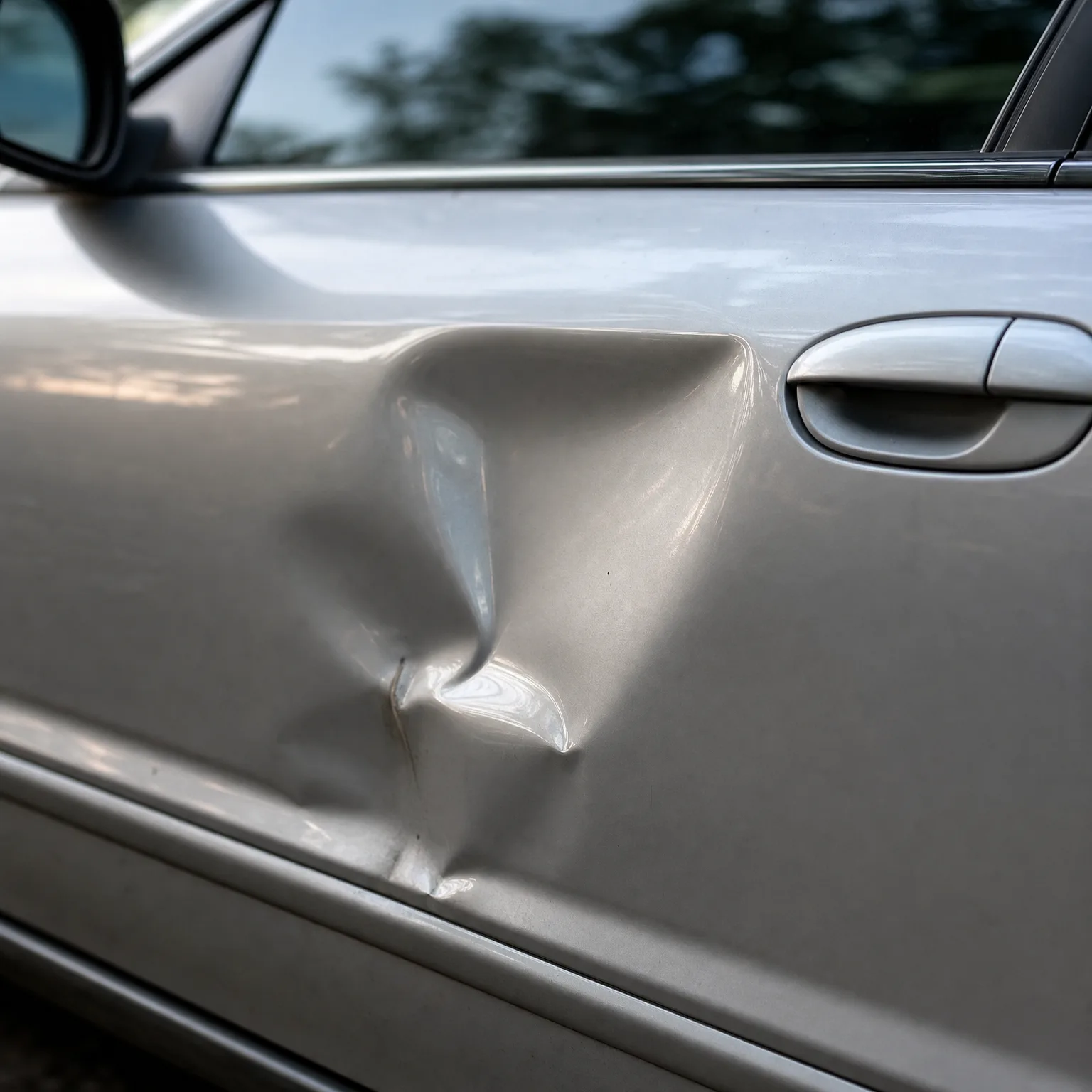
A fender that rusted after a minor collision
Someone backed into your car months ago and you filed a claim that covered the dent. You got it fixed at the time, but a small chip in the paint near the repair went unnoticed. Over the following year, moisture worked into that chip and rust started spreading along the fender's edge. When you called your insurer about it, they explained that the rust developing now, long after the original claim closed, wasn't connected closely enough to count as part of that covered event.
You ended up paying for the rust repair yourself, which included sanding down the affected area, treating it and repainting the panel. It cost less than the original collision repair, but it was still an unplanned expense. Going forward, you started checking the car's paint every few months, especially near past repair spots, and touched up small chips right away. The lesson wasn't about the claim itself, it was about how much cheaper it is to catch paint damage early than to deal with rust once it sets in.