Is Frame Rust Covered by Insurance
Frame rust itself usually isn't covered, but rust that results from a covered accident or event often is.
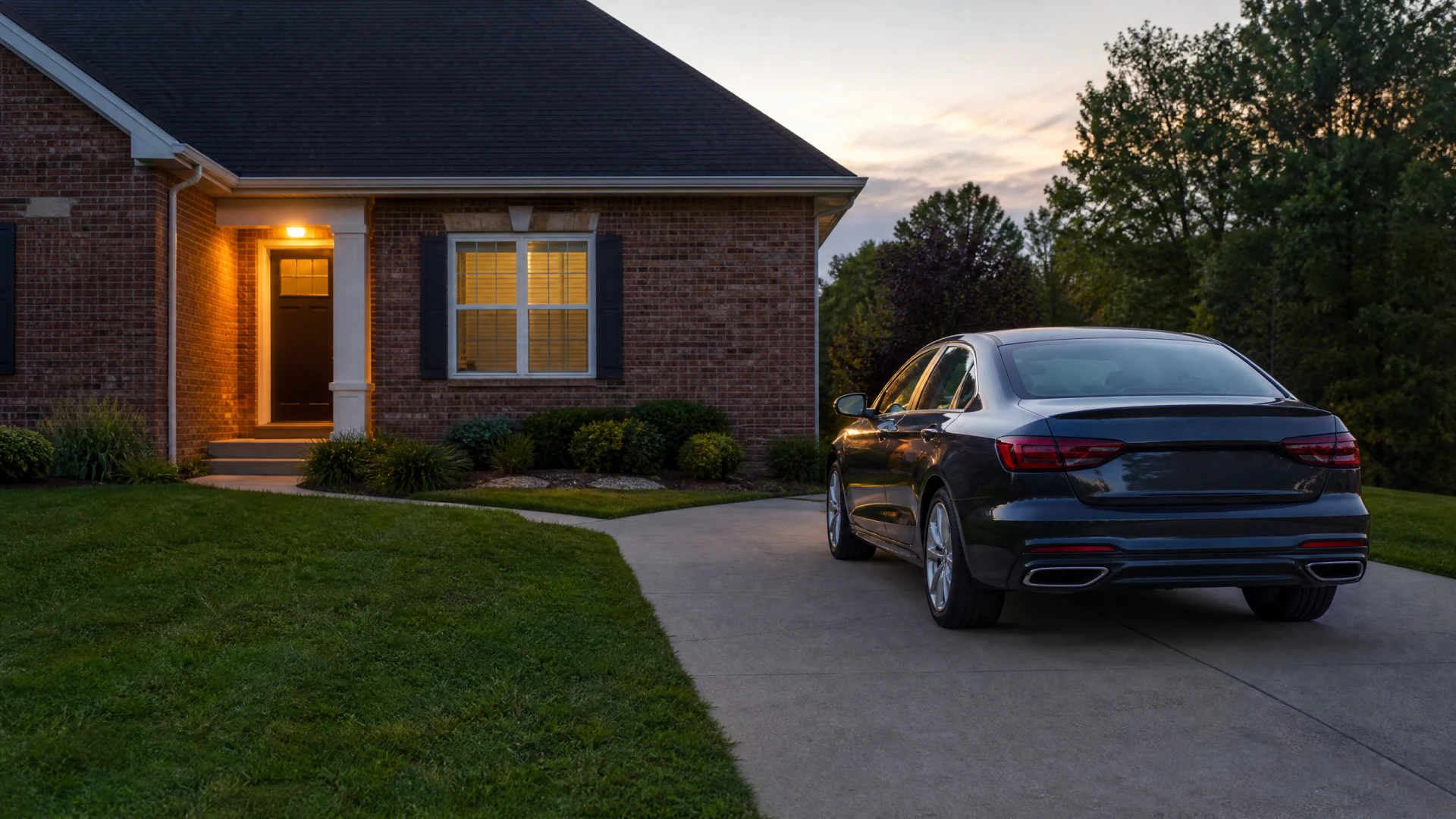
A car that sat unused after a spouse passed away
After her husband passed, Carol kept his truck parked in the driveway for almost a year while she sorted out what to do with it. When she finally had it inspected before deciding whether to sell it or keep it for herself, the mechanic found frame rust along the underside, likely from years of winter driving before it ever sat idle. She called her insurer to ask whether this was covered, since the truck still had comprehensive coverage on it.
The adjuster explained that rust from age and road exposure is considered gradual wear, not sudden damage, so it fell outside what the policy would pay for. But the conversation helped her make a decision either way. Since the truck wasn't being driven and the rust meant real repair costs ahead, she chose to sell it as is rather than keep paying for coverage on a vehicle sitting unused. That cleared up both the paperwork and one more thing she didn't have to think about.
What if the rust caused a mechanical failure while driving?
If rust weakens the frame and that leads to a breakdown or loss of control, the mechanical failure itself is still generally not covered, because insurance responds to sudden, accidental events, not to parts wearing out or failing from deterioration over time.
Where it gets covered is if that failure then causes a collision, like losing control and hitting something. In that case, the collision damage may be covered even though the rust that started it all is not. The distinction insurers draw is between the failure itself and what happens because of it. If you're ever unsure where a specific incident falls, call your insurer and describe exactly what happened before assuming either way.

Once you know whether your rust is likely covered, compare quotes to see what coverage makes sense going forward.

What decides whether frame rust gets covered
- How the rust started Rust from age, climate or lack of use is treated as wear and maintenance. Rust that follows a covered event, like flood damage, is a different story, so trace back to the cause.
- What type of coverage you carry Liability alone won't cover any vehicle damage, including rust. Comprehensive coverage is the only part of a policy that could apply, and only in specific circumstances.
- Whether an accident caused it Rust that develops after a collision exposed metal to moisture may be tied to that accident. Mention the rust when you file or discuss the original claim, not months later on its own.
- How long the car sat unused A vehicle sitting idle for months can develop rust from humidity or neglect. If you're deciding whether to keep insuring an unused car, this is worth factoring into that decision.
- What proof your insurer needs Documentation standards for wear-related claims differ by insurer and sometimes by state. Ask directly what evidence they'd need before assuming a claim would be denied or approved.
Why rust falls outside what insurance is built to pay for
Insurance is designed to respond to sudden, unexpected events, not to the slow deterioration that happens to every vehicle over time. Rust is usually the second kind. It builds gradually from moisture, road salt, humidity or simple age, and insurers treat it the same way they treat worn brakes or a tired transmission, as part of owning and maintaining a car rather than something that happened to you.
The exception is when rust is the direct result of a covered event. If a vehicle was submerged in a flood, caught in a storm, or damaged in a collision that exposed bare metal to the elements, rust that follows can sometimes be tied back to that event. The insurer isn't covering the rust on its own. They're covering the consequences of something sudden that already qualified for a claim, and the rust is treated as part of that damage.
This is also why timing matters so much. If rust appears soon after a covered event and in the damaged area, it's easier to connect the two. If it shows up years later or somewhere unrelated to the original damage, insurers will usually treat it as ordinary wear, regardless of what caused the original claim.
For your situation, this means the real question isn't just whether there's rust, but where it came from and how it connects to anything specific that happened to the car. If you're inheriting a vehicle or deciding what to do with one that's sat unused, this distinction is worth understanding before you file anything, so you know what to expect and don't spend time pursuing a claim that was never going to be paid.
Does comprehensive coverage include rust damage?
Only indirectly. Comprehensive covers sudden events like flood, fire or vandalism, and if one of those events leads to rust, that portion may be covered. Rust from ordinary age or lack of use isn't something comprehensive coverage pays for on its own. Check your specific policy language, since wording on wear and deterioration can vary between insurers.
Should I keep insuring a car that isn't being driven?
It depends on the car's condition and what you plan to do with it. If you intend to sell it or give it away soon, reducing coverage to a storage-only or liability-only level may make sense while you decide. If you might drive it again, keeping fuller coverage avoids a gap. Ask your insurer what options exist for a parked, unused vehicle specifically.
How do I find out whose name a policy is actually under?
Start by calling the insurer directly with the policy number if you have it, since they can tell you who's listed and what needs updating. If you don't have the number, your state's insurance department can often help you track down an active policy. This matters because coverage and claims may depend on correcting the name before anything else gets resolved.