Will My Insurance Go Up if I Use Roadside Assistance
Using roadside assistance by itself does not raise your rate, because it isn't a claim against your policy.
Roadside help isn't a claim, so it works differently than you'd expect
Roadside assistance covers things like a dead battery, a lockout, a flat tire or a tow after you've run out of gas. These are service calls, not claims for damage or loss. Your insurer isn't paying out for an accident or a theft, so there's nothing on your record that signals higher risk to them. That's the core reason using it doesn't move your rate on its own.
Rates respond to patterns that suggest you're more likely to cost the insurer money later. A single tow because your battery died doesn't suggest that. But if you're calling for roadside help often, especially for the same recurring problem like a car that keeps breaking down, some insurers may start paying closer attention at renewal time. It's less about the roadside call itself and more about what the pattern might say about the car or how it's maintained.
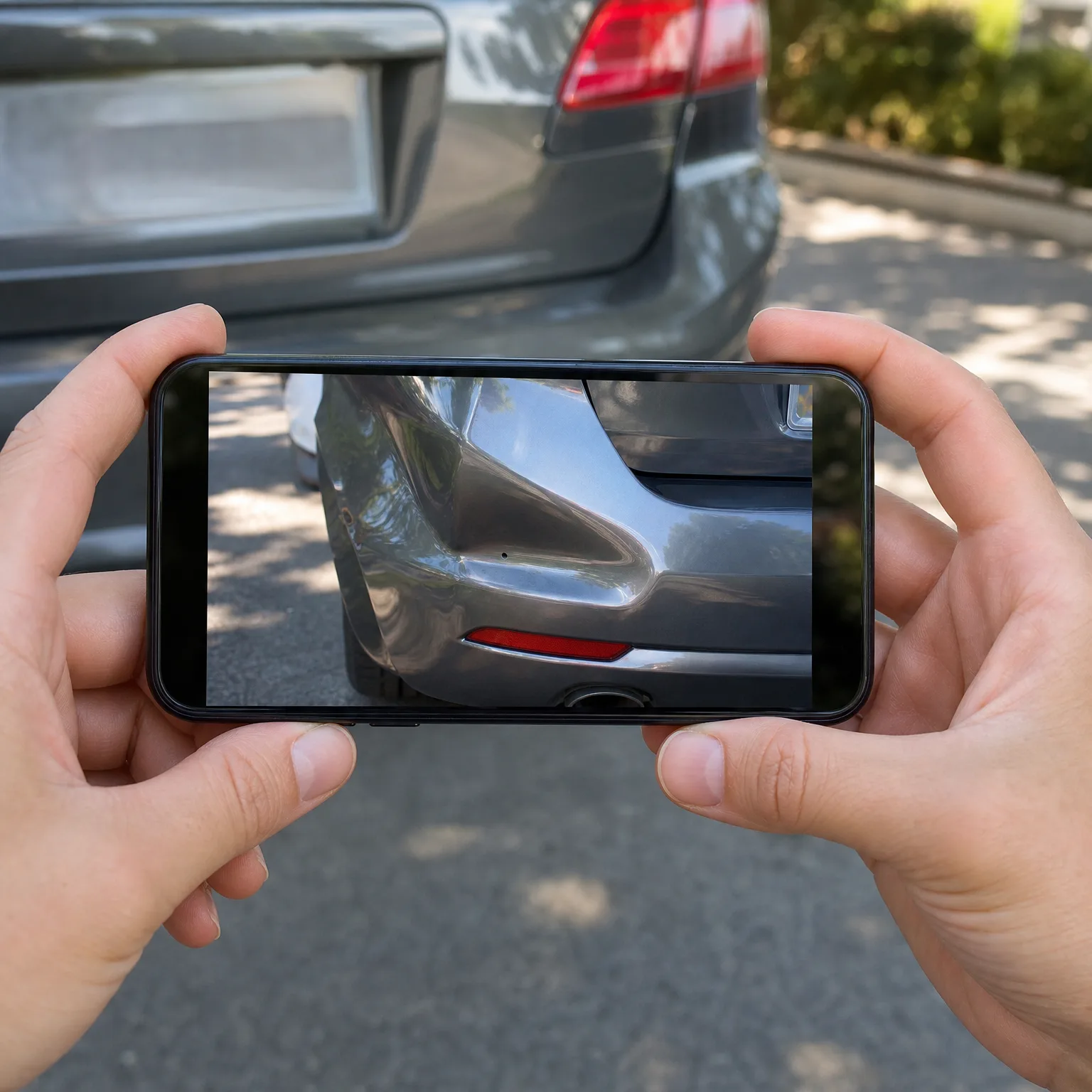
Where this can get more complicated is if the roadside event is connected to an actual accident. If you're towed after a collision, that tow is part of a claim, and the claim is what affects your rate, not the tow itself. The roadside assistance is just the mechanism that got your car off the road.
How insurers weigh any of this varies by company and sometimes by state, so if you're unsure, it's worth asking your insurer directly whether roadside calls are tracked separately from claims on your specific policy.
A flat tire on the highway, and what actually happened next
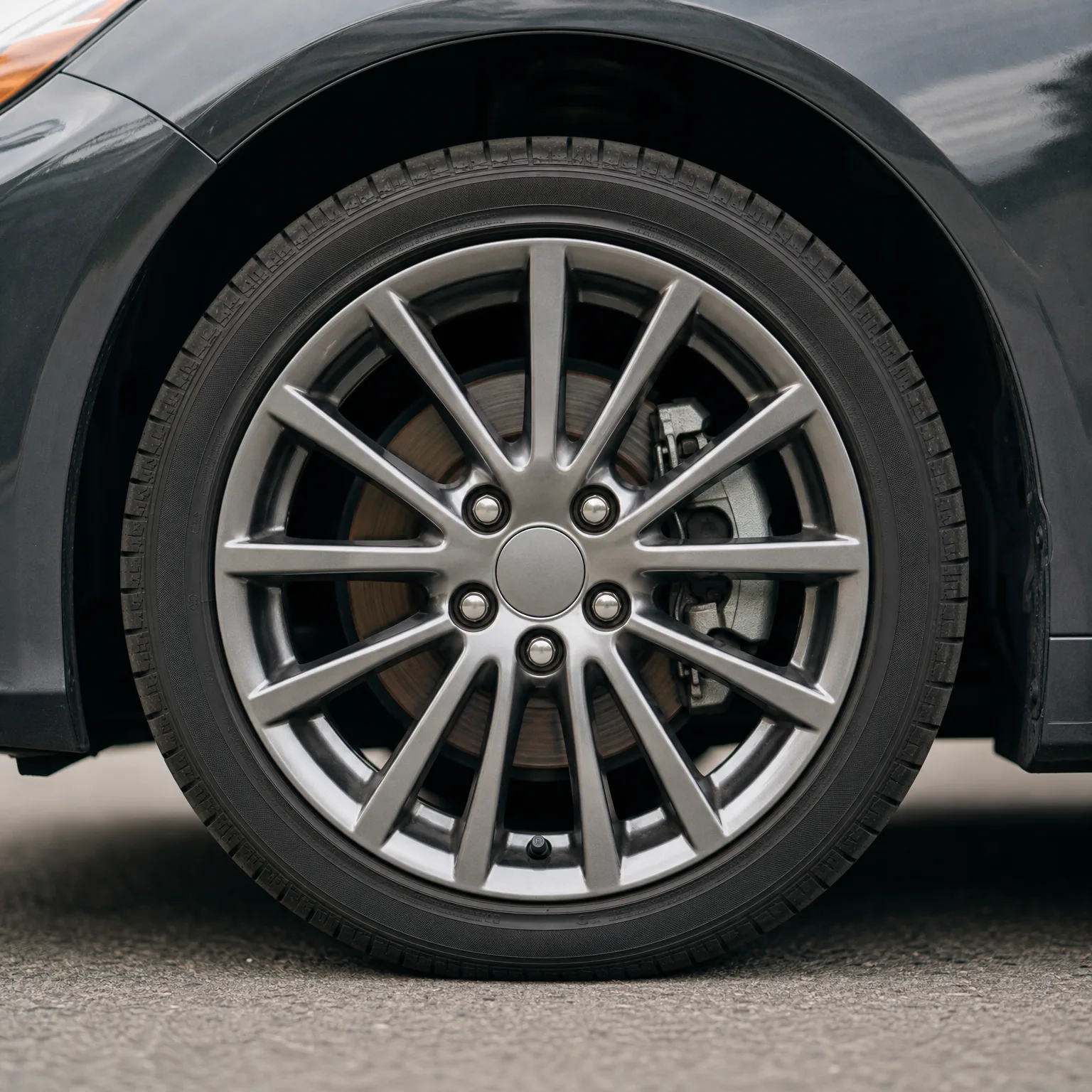
You're driving home and a tire blows out on the highway shoulder. You call roadside assistance through your insurer, someone comes out, changes the tire, and you're back on the road within the hour. No damage to the car beyond the tire, no other vehicle involved, nothing to repair. You pay whatever the roadside service costs, if anything, and that's the end of it.
At your next renewal, your rate reflects your driving record and any claims you've filed, and this call isn't either of those things. It doesn't show up as an incident because nothing happened that required a payout for damage or liability. If you'd gotten a flat because you hit a pothole hard enough to bend the rim, and you filed a claim to cover that repair, that claim would be what insurers look at, not the tow truck that showed up to help you in the meantime.
The call for help isn't what insurers track. What caused you to need it is.
Once you know a roadside call alone won't move your rate, you can compare quotes with that settled.

Should you call roadside assistance when you need it
If you do
You get your car off the road or running again without waiting on a friend or paying out of pocket for a tow. It costs you nothing beyond what's already part of your plan. Your rate stays tied to your driving record and actual claims, not to using a service you're already paying for.
If you don't
You either wait for someone else to help or pay for a tow and repair yourself, often at a higher cost than if you'd used the service you have. Skipping it doesn't protect your rate, since using it wouldn't have raised it anyway. You just end up paying more for the same result.
Does AAA or a roadside plan count as insurance when it comes to my rate?
No, a separate roadside plan like AAA is not part of your auto insurance policy and has no effect on your insurance rate at all. It's a membership service you pay for independently. If your insurer offers roadside assistance as an add-on to your policy, using it still isn't treated as a claim, but it's worth checking your specific policy documents to see how that add-on is structured and billed.
How many roadside assistance calls are too many before my insurer notices?
There's no fixed number, and it varies by insurer, but frequent calls for the same recurring issue can draw attention at renewal. One or two calls a year for unrelated problems like a flat tire or a dead battery is normal and unlikely to matter. If you're calling multiple times a month, especially for breakdowns, it's worth asking your insurer how they view that pattern and whether it factors into renewal decisions.
Does a tow after an accident affect my rate differently than roadside assistance?
Yes, because a tow after an accident is tied to a claim, and the claim is what affects your rate, not the tow. The roadside service that arranges the tow isn't being evaluated separately. What matters is whether you filed a claim for damage or liability related to the accident. If you paid out of pocket for the accident without filing a claim, your rate typically wouldn't be affected by that either.