Will My Insurance Go Up if It Was Someone Elses Fault
If the accident was genuinely not your fault and your insurer confirms that, your rate typically won't go up.

What decides whether your rate moves
- Fault determination Your insurer has to actually conclude the other driver was at fault, not just assume it. Ask them directly how the claim was coded and whether fault was assigned to you at all.
- At-fault driver has insurance If the other driver is insured, their company should pay your claim and yours shouldn't be charged. Confirm the other driver's insurance accepted liability before you relax.
- Your state's rules Some states restrict insurers from raising rates after not-at-fault claims, others don't. Ask your agent or insurer directly whether this protection applies where you live.
- Your own claim history One not-at-fault claim rarely matters much, but it can add up with other recent claims on your record. Check how many claims you've filed in the past few years total.
- Uninsured driver situations If the at-fault driver has no insurance, your own policy may have to cover you, and that can affect pricing differently. Ask what happens specifically if the other driver is uninsured.
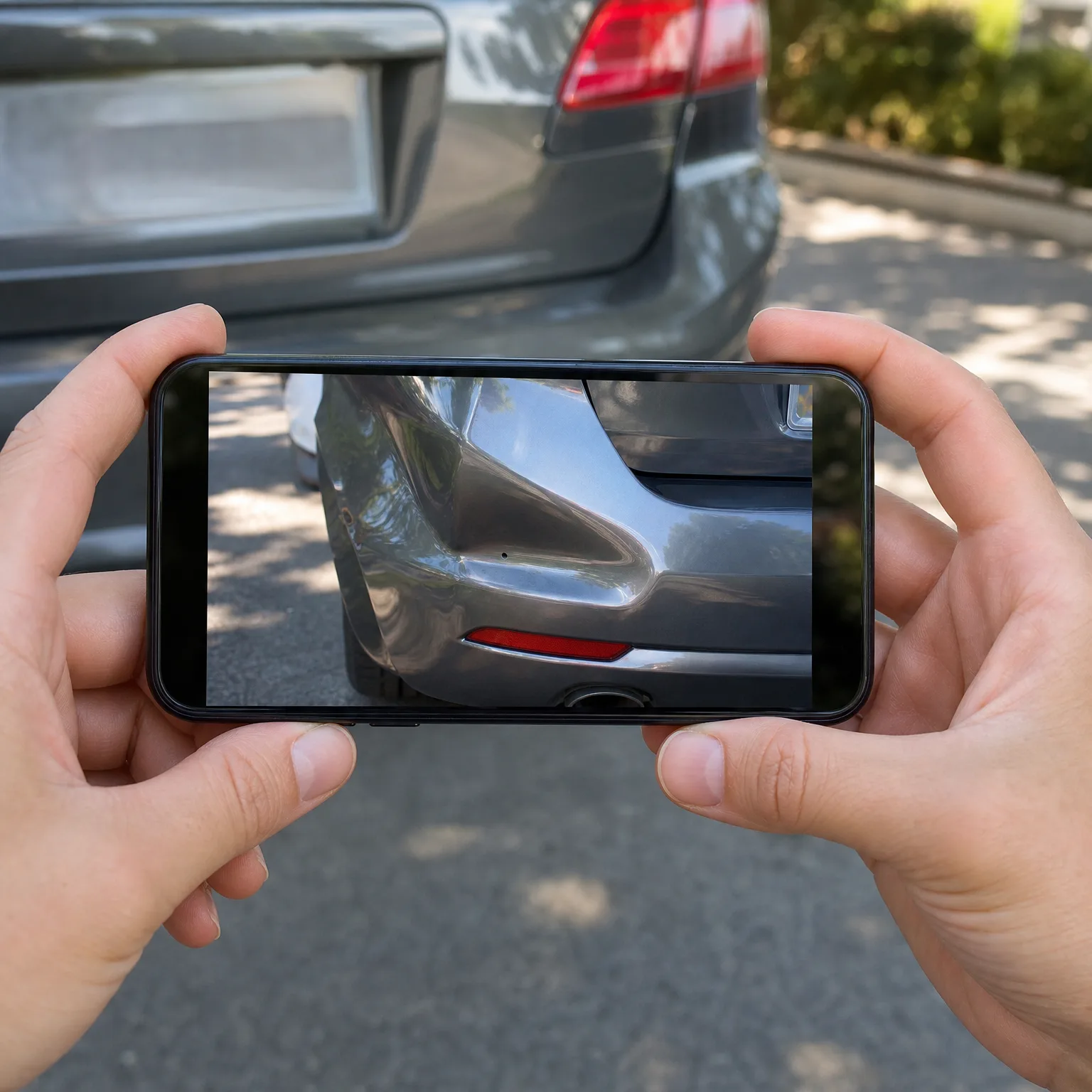
A rear-end accident at a stoplight
You're stopped at a red light and the car behind you doesn't stop in time. There's damage to your bumper, nothing serious, but it needs a shop. You file a claim with your insurer and give them the other driver's information. The other driver's insurance company accepts liability within a few days, because the facts are straightforward and there were no injuries or disputes about what happened.
Your insurer pays for the repair upfront to get your car fixed faster, then recovers the cost from the other driver's insurer afterward, which is normal and doesn't mean you're responsible. Because the claim is marked not-at-fault in their system, it doesn't count against you the way an at-fault claim would. At renewal, your rate reflects that the claim wasn't yours to answer for. The only reason it might have gone differently is if fault had been disputed, or if the other driver had no coverage at all.
What if the other driver disputes fault later?
If the other driver or their insurer disputes fault after your claim is filed, your insurer may have to investigate further before deciding who pays. This can take time, and until it's resolved, the claim might sit in a pending status rather than being clearly marked as not-at-fault.
During this period, ask your insurer directly what evidence they're using, like police reports, witness statements or photos, and whether there's anything you can provide to support your side. If the dispute resolves in your favor, the claim should ultimately be treated as not-at-fault. If liability ends up shared between both drivers, which some states allow, that can change how the claim affects you, so ask specifically how shared fault would be handled.
Once you know how this claim will be recorded, compare quotes to see where you actually stand.

Filing the claim versus handling it yourself
If you do
You report the accident and your insurer handles the back and forth with the other driver's insurer. They cover your repair costs, pursue reimbursement, and document that the claim wasn't your fault. This protects you if the other driver later changes their story or their insurer tries to delay.
If you don't
You skip filing and try to settle directly with the other driver, maybe for a quick cash payment. If new damage or injuries show up later, you have no claim on record and no insurer backing you up. You're relying entirely on the other driver following through on their word.
Why fault matters more than the accident itself
Insurance pricing is built around risk, and risk is about what your own driving suggests about future claims. An accident someone else caused doesn't tell your insurer anything about how you drive. That's why the fault determination, not the fact that an accident happened, is what insurers actually look at when setting your renewal rate.
This is also why the claim still needs to be filed and processed correctly. Insurers don't automatically know who was at fault, they rely on reports, statements and sometimes adjusters to figure it out. If that process concludes clearly in your favor, your record should reflect that you weren't responsible, and most insurers won't price you as if you were.
Where this gets more complicated is when fault isn't clean. If both drivers share some responsibility, which some states recognize through shared fault rules, your claim might carry some weight even though you weren't solely responsible. Uninsured or underinsured drivers complicate things too, since your own policy may have to step in and pay, and insurers sometimes treat that differently even when you did nothing wrong.
The other variable is simply how many claims appear on your record overall, regardless of fault. A single not-at-fault claim is usually a non-event, but if your record already shows other claims, an insurer reviewing your full history might weigh things differently at renewal. That's less about this one accident and more about the broader pattern they're looking at.

The accident isn't what sets your rate, how it gets recorded is, so make sure fault is documented clearly.