Can CBT Help with Driving Anxiety
Yes, CBT can help, especially when the fear is tied to a car, a route or a loss that happened recently.
It works because it treats the fear as learned, not fixed
Driving anxiety usually isn't about the car itself. It's about what your mind has attached to driving, a merge where something scary happened, a highway your spouse always drove, or a general sense that something could go wrong now that you're the only one behind the wheel. CBT works by separating the actual risk of driving from the story your mind tells about that risk, and it does this through structured practice rather than just talking about the fear.
The core of it is gradual exposure paired with changing the thoughts that show up in the moment. A therapist helps you notice the specific thought, maybe "I can't handle this alone," and test it against what actually happens when you drive a short, manageable route. Over repeated, low-stakes attempts, the nervous system learns the danger signal was false. This is different from just waiting for the fear to fade on its own, which often doesn't happen because avoidance quietly reinforces the fear instead.
For grief-related driving anxiety specifically, there's often a layer of practical uncertainty tangled up with the emotional one. If you suddenly handle insurance, maintenance or decisions your spouse used to manage, some of what feels like driving anxiety is actually a more general unease about being the one in charge now. CBT can address the anxiety, but it won't sort out the title transfer or the coverage question sitting underneath it, so some of the relief comes from handling those practical pieces too.
It doesn't work the same for everyone. If the anxiety is tied to a specific traumatic event, like an accident, some therapists use trauma-focused approaches alongside or instead of standard CBT. And if panic symptoms are severe, a combination of therapy and a brief medication plan, guided by a doctor, often works faster than therapy alone.
A route that used to feel impossible
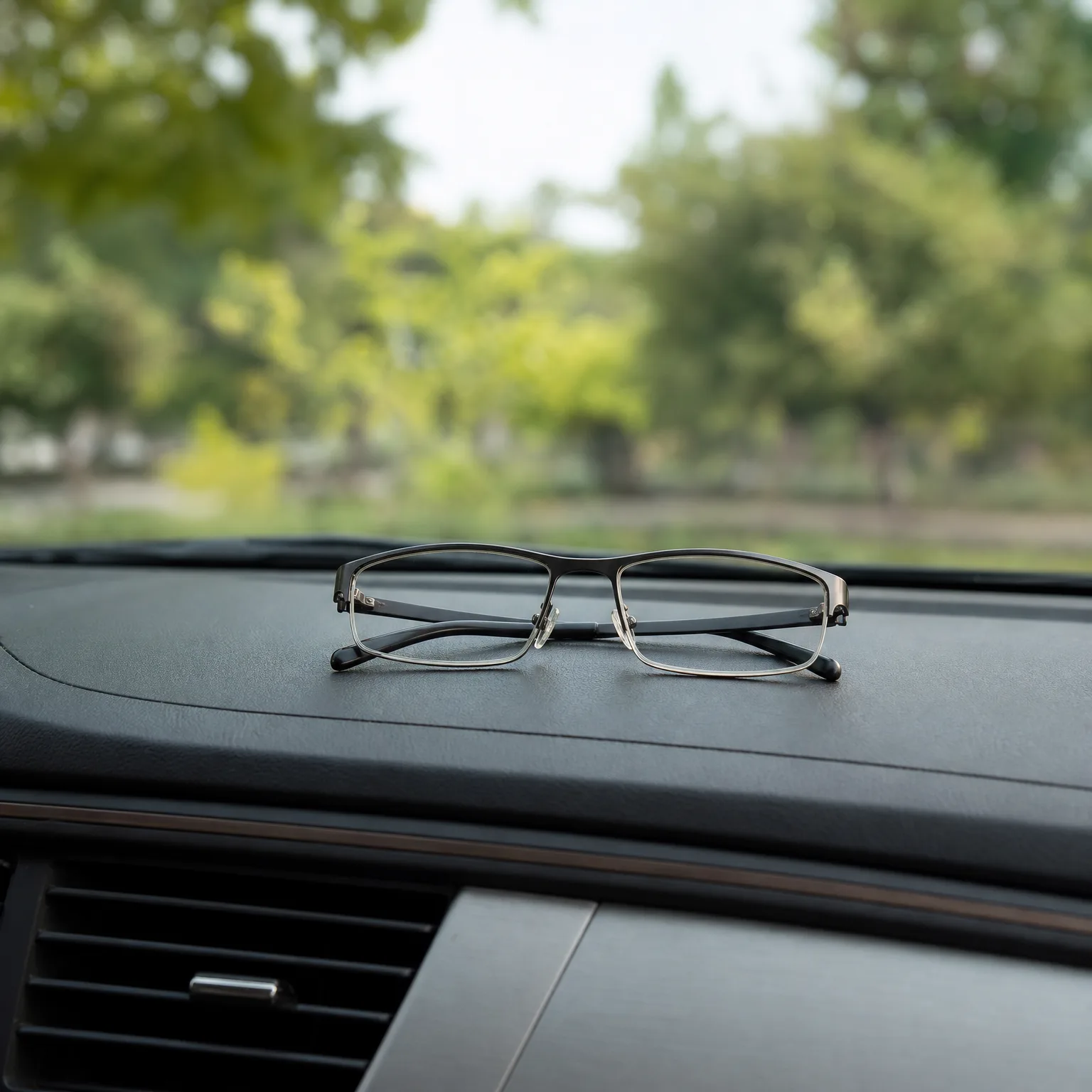
Someone whose spouse always drove on highways found themselves avoiding a highway entirely after the spouse died, even though they'd driven it dozens of times as a passenger and knew the route well. The fear wasn't about skill. It was the first time they'd be doing it completely alone, without someone in the passenger seat who used to handle the harder parts of the drive.
Working with a therapist, they started with the easiest version of the drive, a short stretch during low traffic hours, and practiced noticing the anxious thought as it came up rather than pulling over or turning back. Each week the stretch got a little longer. Within a couple of months they were driving the full route alone, not because the fear vanished completely but because they'd proven to themselves, trip by trip, that they could handle it. The car itself, which had mostly sat unused during this period, went back into regular use once the anxiety eased, which also made the question of whether to keep two vehicles easier to answer.

Whether to address the anxiety before driving regularly again
If you do
You build confidence gradually and in a structured way, with a plan for what to do when fear spikes. You're less likely to make rushed decisions about selling the car, canceling coverage or avoiding routes you actually need. Insurance and driving decisions get made with a clearer head, not from a place of fear.
If you don't
Avoidance can quietly expand, so what starts as skipping the highway becomes skipping driving altogether. A car that sits unused still needs a coverage decision, and that gets harder to face the longer you put off the anxiety underneath it. The fear often doesn't resolve on its own.
Once you've got a plan for the anxiety, compare quotes so coverage matches the driving you'll actually be doing.
What to know if you're considering CBT for this
- Find a specialist General therapy can help with grief, but CBT for driving anxiety works best with someone trained in exposure-based methods. Ask directly if this is part of their approach.
- Expect practice, not just talk CBT usually includes homework between sessions, like short practice drives. Progress depends on doing the driving, not only discussing it.
- Separate fear from paperwork Some of the stress is genuinely about logistics, like titles or policies in a spouse's name. Handle those pieces alongside the therapy, not instead of it.
- Pair it with grief counseling Many people do both at once, especially in the first year. Ask a grief counselor for a referral if they don't use exposure-based techniques.
- Decide the second car separately Don't let driving anxiety alone decide whether to keep an unused car insured or sell it. Make that call based on cost and need, once anxiety is addressed.
The fear isn't a sign you can't drive alone. It's a sign your mind hasn't caught up to the fact that you can.