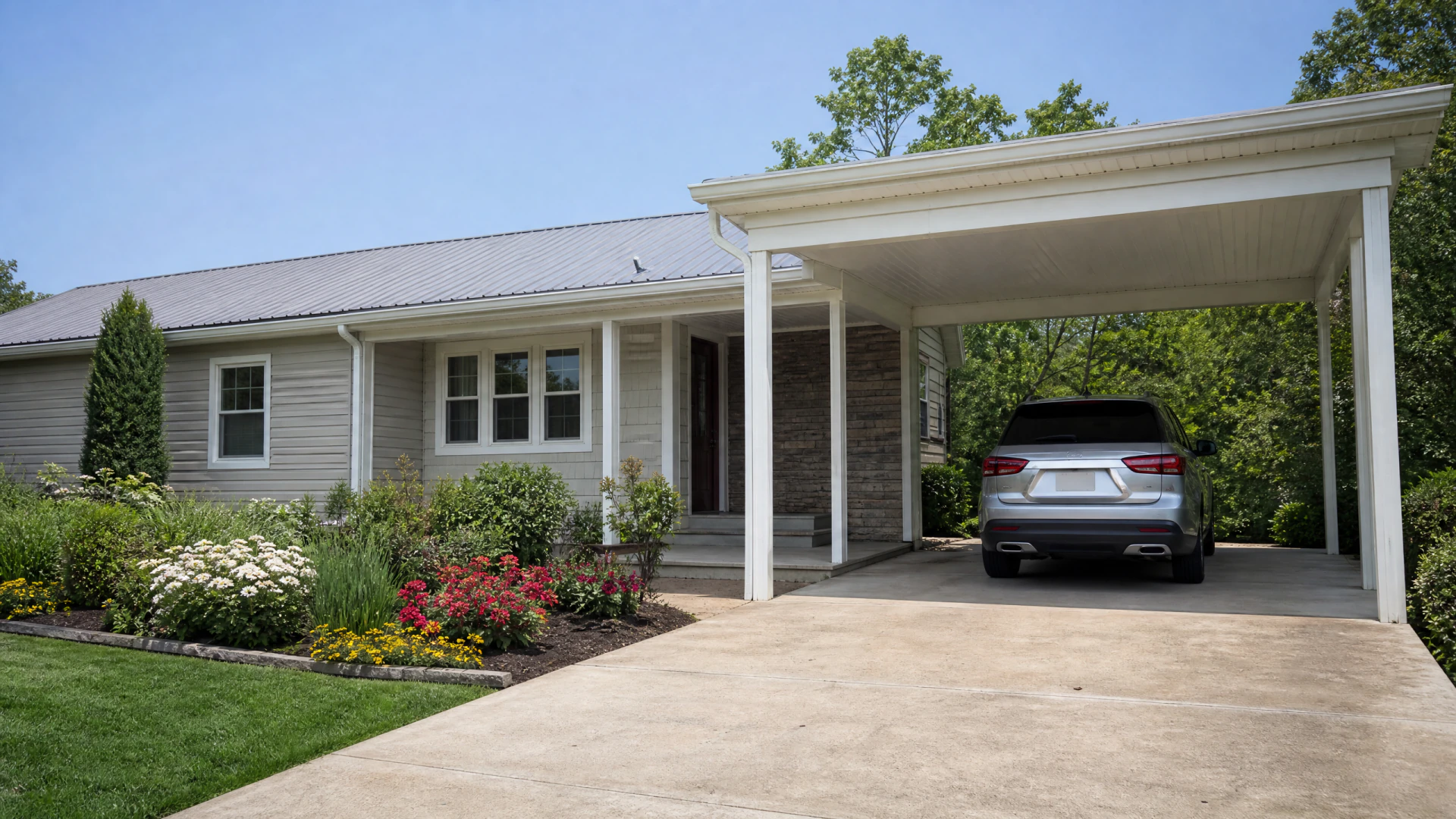
Can I Use a Car Park to Practice Driving
Yes, you can practice in a car park, but whether you're insured there depends on the lot and your policy's wording.
Your coverage follows the policy wording, not the location
Most car insurance policies cover you anywhere you're legally allowed to drive, and that usually includes car parks. The question isn't really whether a car park counts as a road. It's whether the policy treats private property the same as public streets, and most do, as long as the driving itself is legal.
Where this gets complicated is access. A public car park, like one at a shopping center, is open to anyone and treated like a normal driving environment. A private lot, like one behind a business after hours or on posted private land, might raise questions if something goes wrong, especially if you weren't supposed to be there at all.
Liability also depends on who's at fault, not on where the incident happened. If you hit another car or a shopping cart corral while practicing, the same fault rules apply as they would on a street. Low-speed fender benders in lots are extremely common, which is exactly why insurers already expect this kind of driving and build it into their coverage.
The real variable is your specific policy and your state. Some states have different rules about private property accidents, and some insurers ask about permission to be on a lot if a claim comes up. Check your policy's language on where coverage applies, and if you're using a business's lot after hours, make sure you're not trespassing, since that's a separate problem from insurance entirely.
Does my insurance treat parking lot accidents differently than road accidents?
Mostly no. Fault still determines who pays, and your liability and collision coverage apply the same way whether you're in a lot or on a street. Insurers see parking lot incidents constantly, so there's no special penalty or reduced coverage just because of where it happened.
What can differ is how fault gets determined. Lots often lack the clear right-of-way rules that roads have, so fault may come down to witness accounts, dashcam footage, or who was backing up versus who was moving forward. This can make claims slower to resolve, not because coverage is weaker, but because the facts are murkier. Check your policy for any mention of private property exclusions, though these are uncommon for personal auto policies.
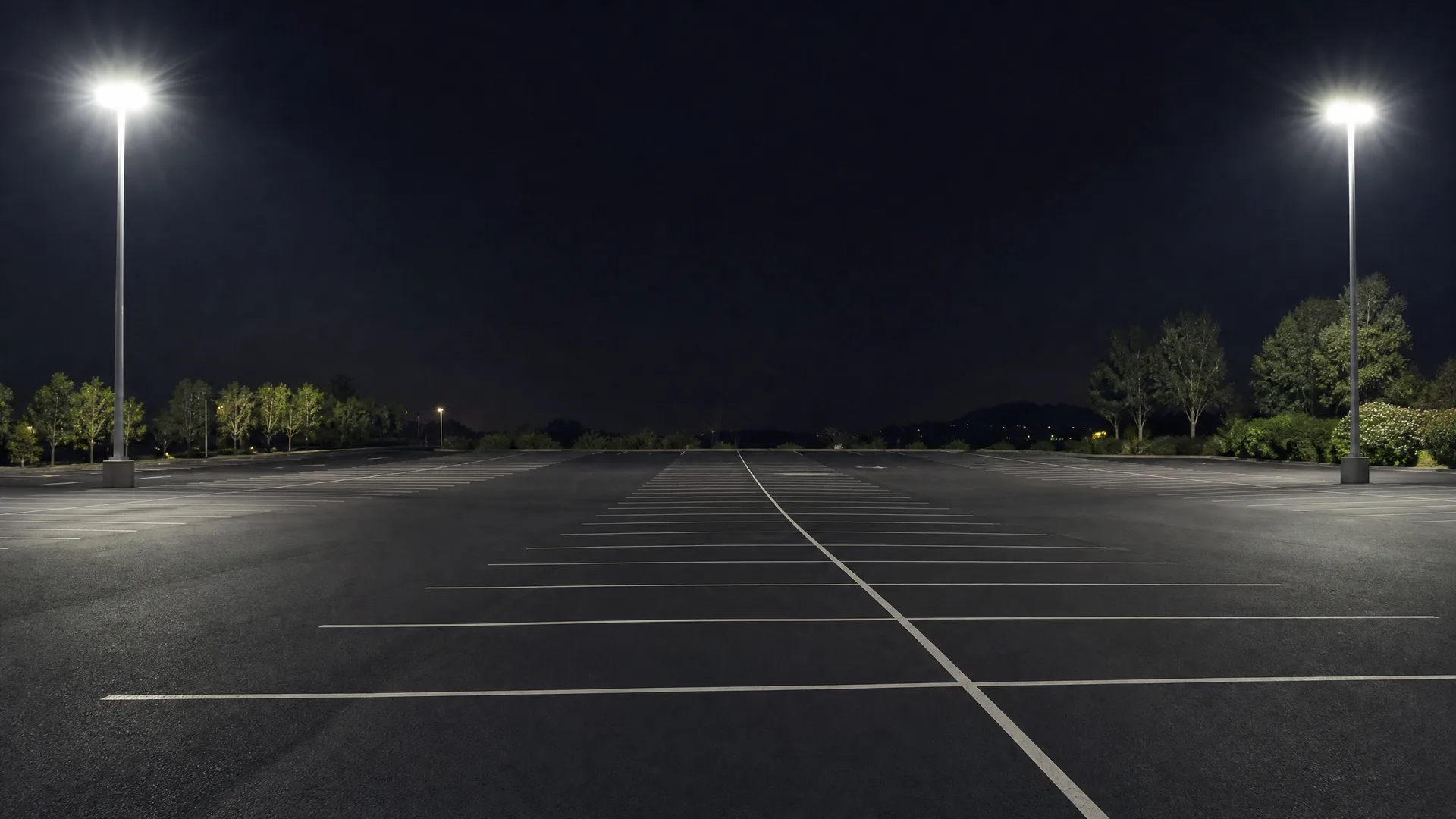
Deciding whether to use a car park to practice
If you do
You get a low-stakes space to practice turning, parking, and braking without traffic signals or pedestrians to worry about as much. Your normal coverage applies if something happens. Pick quieter hours, avoid lots with heavy foot traffic, and don't practice somewhere you don't have permission to be.
If you don't
You'll need to practice on actual roads from the start, which means dealing with traffic, intersections, and other drivers while still building basic control skills. This can work fine with a calm residential street, but it raises the stakes for mistakes like stalling or misjudging a turn.
Now that you know a car park is safe to practice in, compare quotes to match your coverage to how you drive.
What actually matters before you start practicing
- Public versus private lot Public lots like those at stores are generally fine to use. Private lots may require permission, so ask first if it's not obviously open to the public.
- Who's listed on the policy Make sure the person practicing is a listed or otherwise covered driver. An uninsured or unlisted driver complicates any claim significantly.
- Low-speed collisions still count Scraping a pole or tapping another car is still a claim. Go slow, and know that even minor damage can affect your record depending on your insurer.
- Time of day matters Early mornings or late evenings in retail lots mean fewer cars and pedestrians. Avoid peak shopping hours when lots are busiest and riskiest.
- State property rules vary Some states handle private property accidents differently for fault and reporting. Check your state's rules if you're unsure, especially before using a private lot.
Practicing turns in an empty store lot on a Sunday morning
A newer driver wanted somewhere safe to practice three-point turns and parallel parking before attempting it on a real street. They chose a large grocery store lot early on a Sunday morning, when it was nearly empty, and confirmed the lot was open to the public with no posted restrictions on non-customers using the space.
They practiced slowly for about an hour, sticking to the far end of the lot away from the entrance and any parked cars. At one point they clipped a shopping cart corral while misjudging a turn, causing minor scuffing to the bumper. Because they were a listed driver on the family policy and the lot was public property, the damage was handled as a routine minor claim, the same as it would have been on a street. The scare didn't change their coverage or standing with the insurer, and they went back to practicing in lots for a few more weeks before moving on to local roads.