
How Do I Get My Confidence Back in Driving
You get your confidence back by driving small, specific routes on purpose until they stop feeling hard, not by waiting to feel ready.
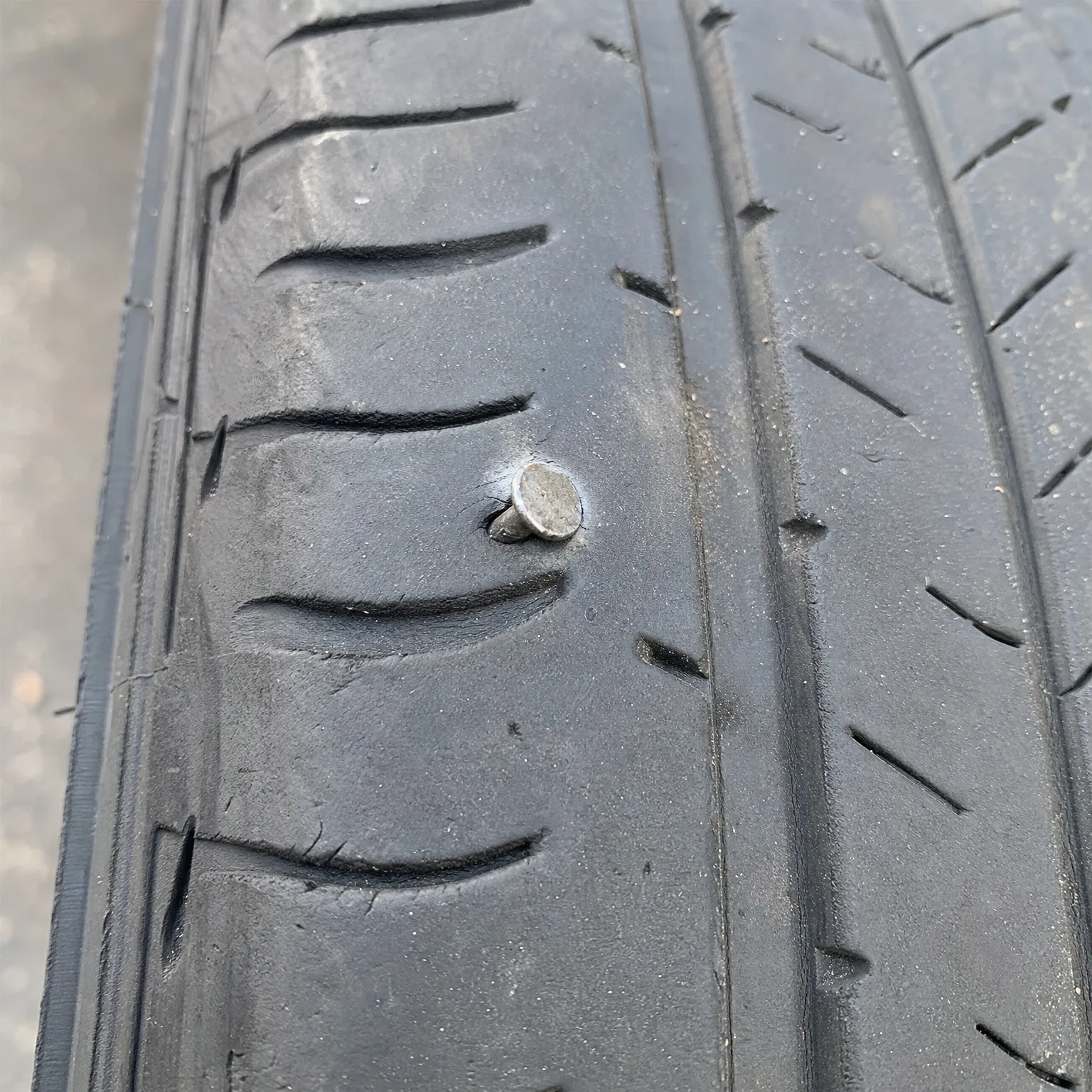
Rebuilding confidence is a series of small, deliberate steps
- Start with one short route Pick a route you know well, like to the pharmacy or a close friend's house. Drive it on purpose a few times until it feels ordinary again.
- Drive at low-pressure times Midday traffic is calmer than rush hour or night driving. Choose times when you can focus on the road, not on other drivers rushing around you.
- Tell someone your plan Let a family member or friend know you're driving somewhere new. It's not about needing permission, it's about having someone to check in with.
- Review the car itself If your spouse always drove this car, check the mirrors, seat position and tire pressure. A car set up for you feels more like yours.
- Separate the grief from the task Some days it's not the driving that's hard, it's who used to be in the passenger seat. Naming that difference helps you know what you're actually dealing with.
Easing back into driving after months of avoiding it
A woman in her sixties hadn't driven more than a mile from home since her husband passed. He'd always done the longer drives, the highway trips, the unfamiliar roads. She didn't avoid driving because she doubted her skills, she avoided it because every trip reminded her he wasn't beside her anymore. She started by driving to the grocery store at an early hour when the lot was empty and traffic was light.
She did that same short trip for two weeks before trying anything new. Then she drove to a friend's house fifteen minutes away, a route she'd never driven alone before. She told her daughter beforehand and called her after. Within a couple months she was comfortable driving to appointments and visiting family a bit farther away. The confidence came back in the order she built it, one familiar trip at a time, not all at once.

Confidence doesn't return by waiting for it. It returns because you drove, and it worked out fine.
Once you know what kind of driving you're ready for now, compare quotes that match your actual coverage needs.
What if I never feel fully confident driving again?
That's common, and it doesn't mean something is wrong with you. Many people reach a point of comfortable, capable driving without ever feeling the same way they did before. The goal isn't to return to exactly who you were before, it's to be able to do what you need to do, safely and without dread hanging over every trip.
If months pass and specific situations still feel overwhelming, like highways or night driving, that's worth addressing directly rather than waiting out. A driving refresher course or a few sessions with an instructor can rebuild specific skills and confidence in ways that practicing alone sometimes can't. There's no deadline for this. Some people settle into a smaller, more local driving life and that's a legitimate choice too, as long as it's one you're making rather than one fear is making for you.

Do you drive the unfamiliar route or wait a while longer
If you do
You find out your fear was bigger than the actual task. The route takes the time it takes, nothing goes wrong, and you arrive having proven something to yourself. Each time you do this, the next unfamiliar route feels a little less unfamiliar.
If you don't
Your world stays as small as your comfortable routes. That's not a failure, but if it continues by default rather than by choice, the hesitation tends to grow instead of fade, making the next attempt feel even harder than this one would have.
Should I take a driving refresher course after not driving much?
Yes, if specific situations like highways or night driving still feel hard after a few months of regular local driving. A course rebuilds skills with a professional watching, which catches habits you might not notice alone. Check whether local community centers, senior organizations or driving schools offer refreshers, since quality varies by instructor. If you're already comfortable with most driving, a course may not be necessary at all.
How do I know if I'm avoiding driving out of grief or genuine fear?
Notice what specifically you're avoiding. If it's one route or one type of road, that's often skill-based and improves with practice. If it's driving in general, including routes you once knew well, that often points to grief attached to the car or the act of driving itself. Talking to a counselor familiar with grief can help you sort out which one you're dealing with, since the fix is different for each.
Is it normal to cry or feel panicked while driving after a loss?
Yes, this is common and usually fades with time rather than indicating a lasting problem. Grief can surface unexpectedly, especially in a space your spouse used to share with you. If it happens, it helps to pull over safely rather than push through it. If panic happens on every drive or escalates rather than easing over a few months, mention it to a doctor or counselor.