How to Avoid Getting Sleepy While Driving at Night
The only real fix is rest before you drive and a real stop the moment you feel yourself fading, not tricks to power through.
Your body is working against you after dark, not just your schedule
Nighttime drowsiness isn't really about willpower. Your body runs on an internal clock that expects sleep once it gets dark, and that clock doesn't care that you're behind the wheel. Driving also removes a lot of the stimulation that normally keeps you alert during the day, so even a rested person can start to fade on a long, quiet highway late at night.
The tricks people rely on, cold air, loud music, opening a window, do very little against that. They might buy a few minutes of alertness, but they don't change what your brain is doing underneath. Caffeine works better than those tricks, but it takes time to kick in and it wears off, sometimes leaving you sleepier than before once it fades.
The cases where this plays out differently usually involve how rested you already were before you started driving, and how long the drive actually is. Someone who slept well and is driving a short distance in the late evening is in a very different spot than someone who worked all day and is now facing a long overnight haul. Health conditions, certain medications and simple sleep debt from the days before all change how fast drowsiness hits, and they change it a lot.
What stays true across all of that is simple. Your body needs actual sleep to undo sleepiness, and a short real stop beats any trick you can do while still moving. Planning around that, instead of fighting it, is what actually keeps you safe.
What actually reduces the risk on a night drive
- Sleep before you leave If you're already tired before you start, the drive will only make it worse. Treat being well rested as part of planning the trip, not an afterthought.
- Pull over at the first signs Heavy eyelids, drifting thoughts or missing an exit are warning signs, not something to push through. Stop somewhere safe and rest, even briefly, before continuing.
- Short naps help more than snacks A brief nap at a safe stop does more than any snack or drink. Plan for it on longer night trips instead of hoping you won't need it.
- Share the drive if you can Switching drivers before you're exhausted keeps one person from carrying the whole night alone. Agree on switch points before you leave, not once someone's already struggling.
- Know your own patterns Some people fade earlier at night than others, especially after a long day or poor sleep the night before. Pay attention to when you usually start to dip and plan stops ahead of that point.
The choice is whether you stop the moment you feel yourself fading
If you do
You pull off somewhere safe, rest or nap for a bit, and get back on the road actually alert. The drive takes longer, but you're in control the whole way and arrive having made a choice you can stand behind.
If you don't
You push through a few more miles telling yourself you're almost there. Your reaction time keeps dropping without you noticing, and the risk isn't just to you, it's to whoever else is on that road with you.
With a plan for staying alert at night in place, it's a good time to compare quotes.
A late drive home after a long day
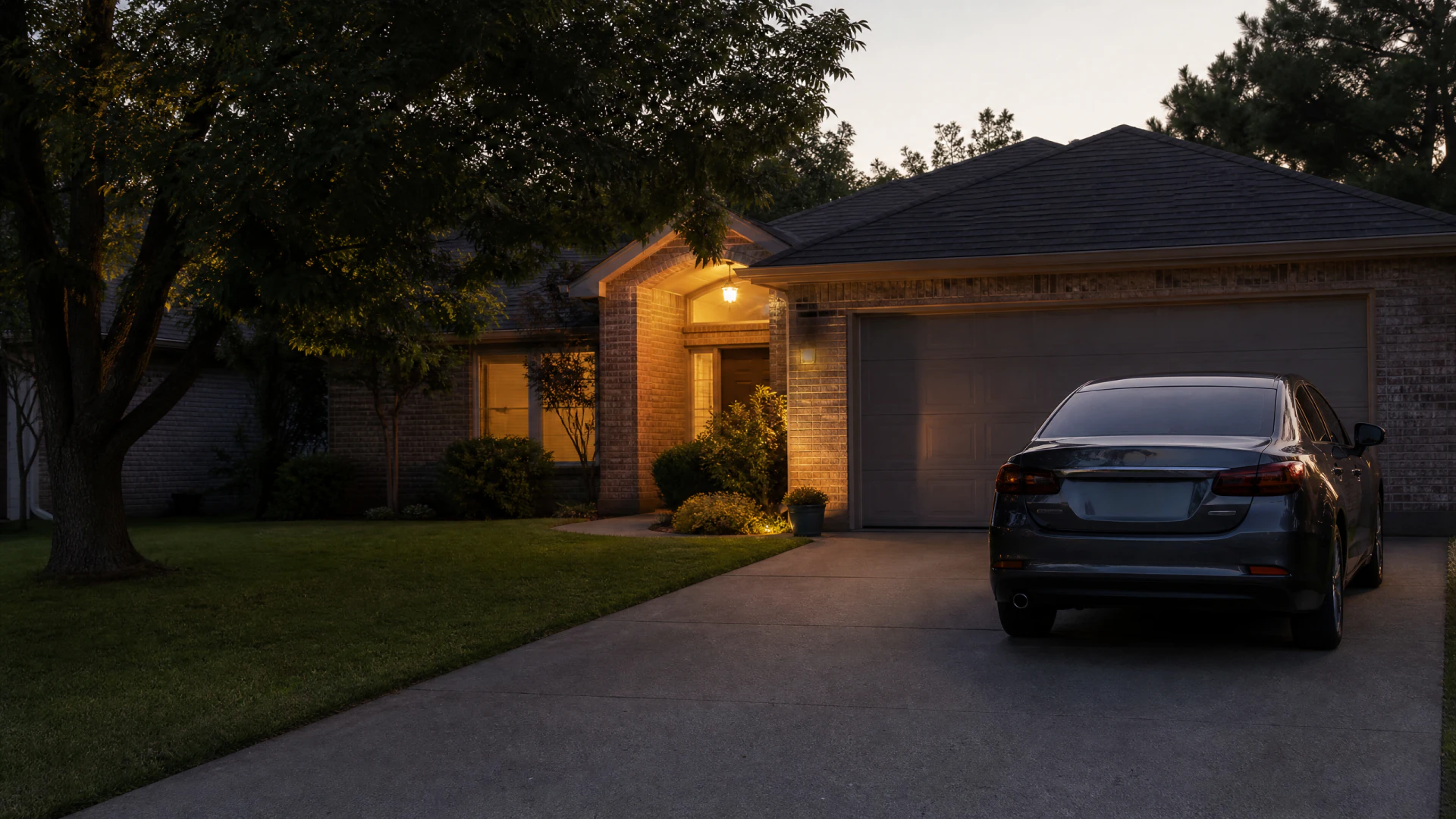
Someone leaves a family event after dark, a few hours from home, after a full day on their feet. Partway in, they notice they've read the same road sign twice without registering it the first time. Instead of turning up the radio and pushing on, they take the next exit, find a well lit rest stop, and set a short alarm for a nap.
A little while later they're genuinely more alert, not just awake. The rest of the drive takes longer than planned, and they get home later than they wanted to. But they notice they're reacting to traffic normally again, following distance and lane changes feel automatic instead of effortful. The stop cost time, not safety, and that trade is the one that actually holds up afterward.
Does opening the window or blasting cold air actually work to stay awake while driving?
Not in any lasting way. It can jolt you for a minute or two, but it doesn't address why you're tired, so the drowsiness comes right back. Treat it as a brief nudge at most, never as your actual plan for a long or late drive. If you're relying on it more than once in a drive, that's a sign you need an actual stop, not another blast of cold air.
How do I know if I'm too tired to keep driving at night?
If you're missing exits, drifting in your lane, or can't remember the last few minutes of road, you're too tired to continue. Those are signs your brain is already losing the fight, not early warnings to watch for. The honest check is whether you'd trust yourself to react instantly to something unexpected, and if you hesitate on that answer, it's time to stop. How quickly this hits you depends on how rested you were before the drive and how long you've already been on the road.
Does caffeine actually help with drowsy driving at night?
Yes, but only as a short term bridge, not a substitute for rest. It takes a while to take effect, so drink it before you're already fading, not after. It also wears off, and the drop afterward can leave you sleepier than before, especially late at night. The safest use is pairing it with a short rest stop, not using it instead of one.