I Have Not Driven in 2 Years What Should I Do
If you haven't driven the car in two years, don't cancel the policy yet, decide what's happening to the car first.
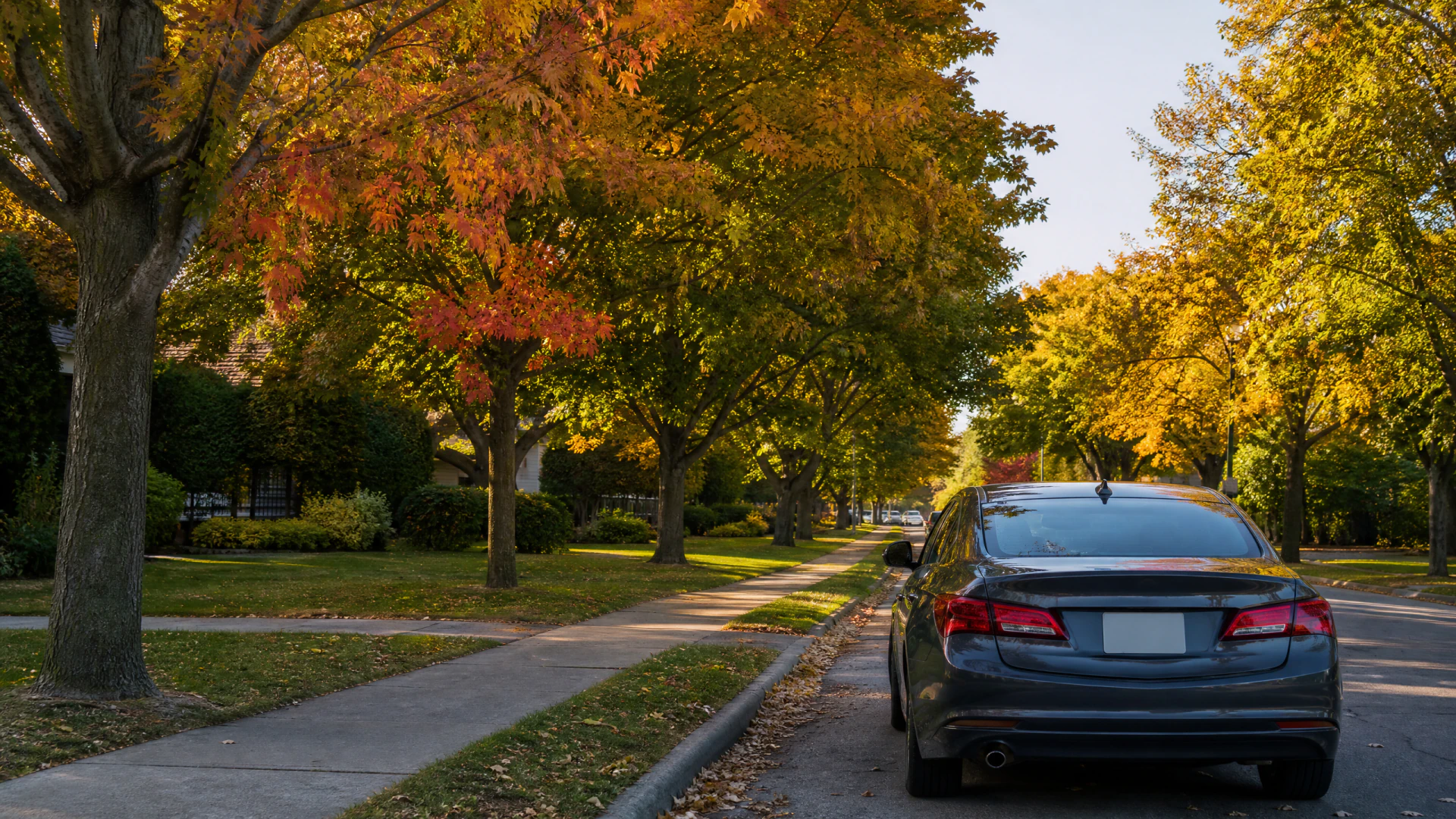
A car that sat in the garage for two years
One reader kept paying full coverage on her husband's sedan because she wasn't ready to deal with it. The car hadn't moved since he passed away. She assumed canceling the policy was the only alternative to paying full price, and she didn't want to think about the car yet, so she kept paying.
When she finally called her insurer, she learned she could switch the car to a storage-only policy that covered damage and theft without covering driving. The cost dropped and she kept the title clean while she decided what to do. Three months later she sold the car to a relative, and because the policy had stayed active the whole time, the title transfer and payoff were simple. She didn't have to rush a decision she wasn't ready to make.
Will my rates go up for having a gap in coverage later?
Not if you keep some form of coverage on the car the whole time, even a storage-only policy. Insurers look for gaps where a car existed and had zero coverage, not for low mileage. A parked car with continuous coverage, even minimal coverage, keeps your record intact.
The risk only shows up if you cancel the policy outright and the car stays titled in your name or your late spouse's name with nothing covering it. If you later want to insure another car, or this one again, that gap can raise what you pay. Keeping continuous coverage, even a cheap version, avoids that.

Switching to a storage-only policy versus canceling entirely
If you do
You keep the title clean and the car protected from theft, fire, and weather while you decide its future. If you sell it, transferring the title is simple because the paperwork and coverage never lapsed. You pay less than full coverage, but you're not left without a plan.
If you don't
If you cancel outright, you save more money immediately, but the car sits uninsured and unprotected the whole time. Any damage or theft becomes a total loss for you. If you later want to insure it again, or insure a new car, the gap in your coverage history can work against you.
Once you know whether to store, sell, or insure the car again, compare quotes for the option you've chosen.
What to settle before you decide anything else
- Check whose name is on it If the title or policy is still in your spouse's name, that needs to be addressed before you sell or re-insure the car. Call your state's title office to find out what's required to transfer it to you.
- Ask about storage coverage Most insurers offer a reduced policy for cars that aren't driven, covering theft and damage but not liability. This usually costs less than full coverage while keeping the car protected.
- Decide if you're keeping it A car that hasn't moved in two years is costing you money whether or not it's insured. Decide if you'll drive it again, give it to family, or sell it, because that decision shapes everything else.
- Avoid a full lapse If you cancel the policy and the car still exists, you lose protection and may create a coverage gap on your record. Even minimal coverage keeps that from happening.
- Check battery and registration A car parked for two years likely has a dead battery and an expired registration, separate from insurance. Handle these before you try to drive or sell it.
The car isn't the problem, the open decision is. Choose its future and the insurance answers itself.