Is It Normal to Not Like Driving
Yes, it's normal, and the discomfort usually points to what to do with the car and policy, not something wrong with you.

What your hesitation is actually pointing to
- Grief and driving overlap Avoiding a car your spouse drove, or avoiding driving altogether for a while, is a common grief response. It doesn't mean you need to decide anything immediately.
- An unused car still costs you A car sitting in the driveway still needs coverage, registration and upkeep even if no one drives it. Decide soon whether to keep it insured, store it properly, or sell it.
- Reduce coverage, don't drop it If you're not ready to sell a car but also aren't driving it, ask your insurer about reduced coverage for a car that's parked and not driven. This usually costs less than full coverage while keeping you protected.
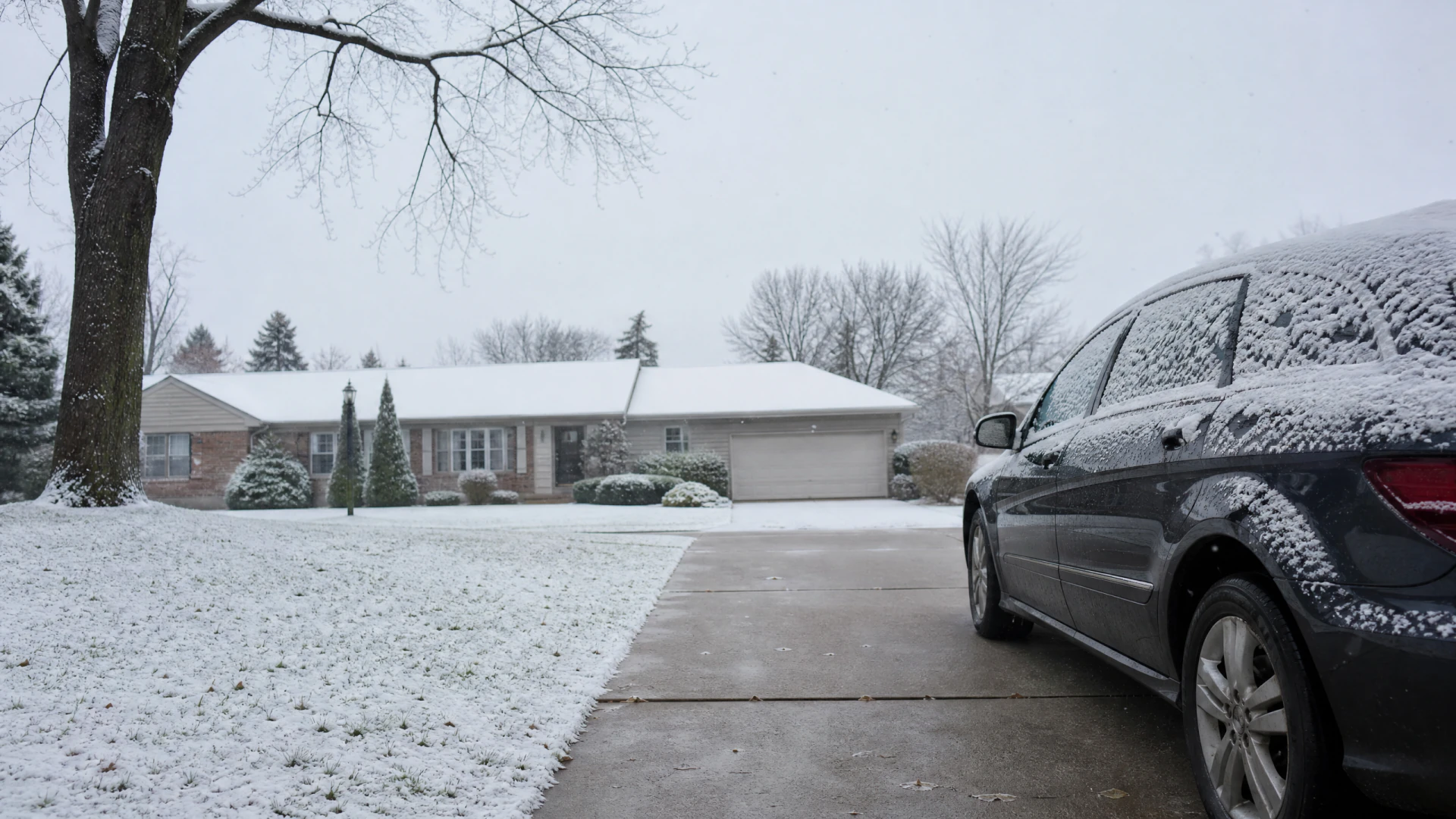
- Parked cars still need coverage Even a parked car can be damaged, stolen or hit while sitting still. Liability coverage can often be dropped if it's truly not driven, but check your state's rules first.
- Your name on the policy matters If the policy was only in your spouse's name, you may need to update it now that you're the one managing it. Call the insurer and ask what the title and policy need to show going forward.

The short version
Yes, it's normal to not want to drive right now, especially if your spouse handled the car or drove it themselves. That discomfort doesn't require an immediate decision. The one thing to do is call your insurer, update the policy to your name, and ask about reduced coverage for any car that's sitting unused.
Do I need to sell the car I don't want to drive?
No, not right away. There's no rule that says you have to sell a car just because you don't want to drive it, and making that decision while grieving often doesn't produce the clearest judgment. It's reasonable to keep the car insured at a reduced level for a while and revisit the question later.
What matters more right now is making sure the car is covered appropriately for its actual use. If it's parked and unused, ask your insurer about dropping coverage types that only apply while driving, which can lower the cost without leaving you exposed. If you later decide to sell, you can handle the title and cancellation then. There's no deadline forcing the decision now, so let the practical parts settle before the bigger one does.
Once you know what to do with the policy and the unused car, compare quotes to see what coverage actually costs now.

Can I remove a car from my policy without canceling the whole thing?
Yes, you can usually remove one car from a multi-car policy and keep the rest active. This is common when a household goes from two drivers to one. Call your insurer and ask them to take the unused car off the policy, or reduce its coverage instead if you're not ready to sell it yet. Removing a car usually lowers your total premium right away.
What happens to the title if the car was in my spouse's name?
You'll likely need to transfer the title into your name before you can sell, insure long term, or register the car again. The process depends on your state and whether there's a will or an estate process involved. Check with your state's motor vehicle office for the exact documents needed, often a death certificate and some proof of ownership. Until it's transferred, insuring or selling the car may be complicated.
Should I keep comprehensive coverage on a car I'm not driving?
Often yes, if the car still has value and sits somewhere it could be damaged, stolen or vandalized. Comprehensive covers those risks even when the car isn't moving. What you can usually drop is liability and collision, since those relate to driving. Ask your insurer which coverages make sense for a parked, unused vehicle and which ones you can safely lower or remove.
Not wanting to drive right now isn't a decision you have to justify, it's information you can act on slowly.