Should You Cancel Insurance Before Selling a Car
No, don't cancel it beforehand, keep coverage active until the sale is complete and the title is out of your name.
Coverage has to match who legally owns the car
A car needs to be insured for as long as it's titled in your name and sitting somewhere it could be driven, stolen, or damaged. That's true even if nobody has driven it in months. The policy isn't really about use, it's about ownership and risk, and until the sale is final, that risk is still yours.
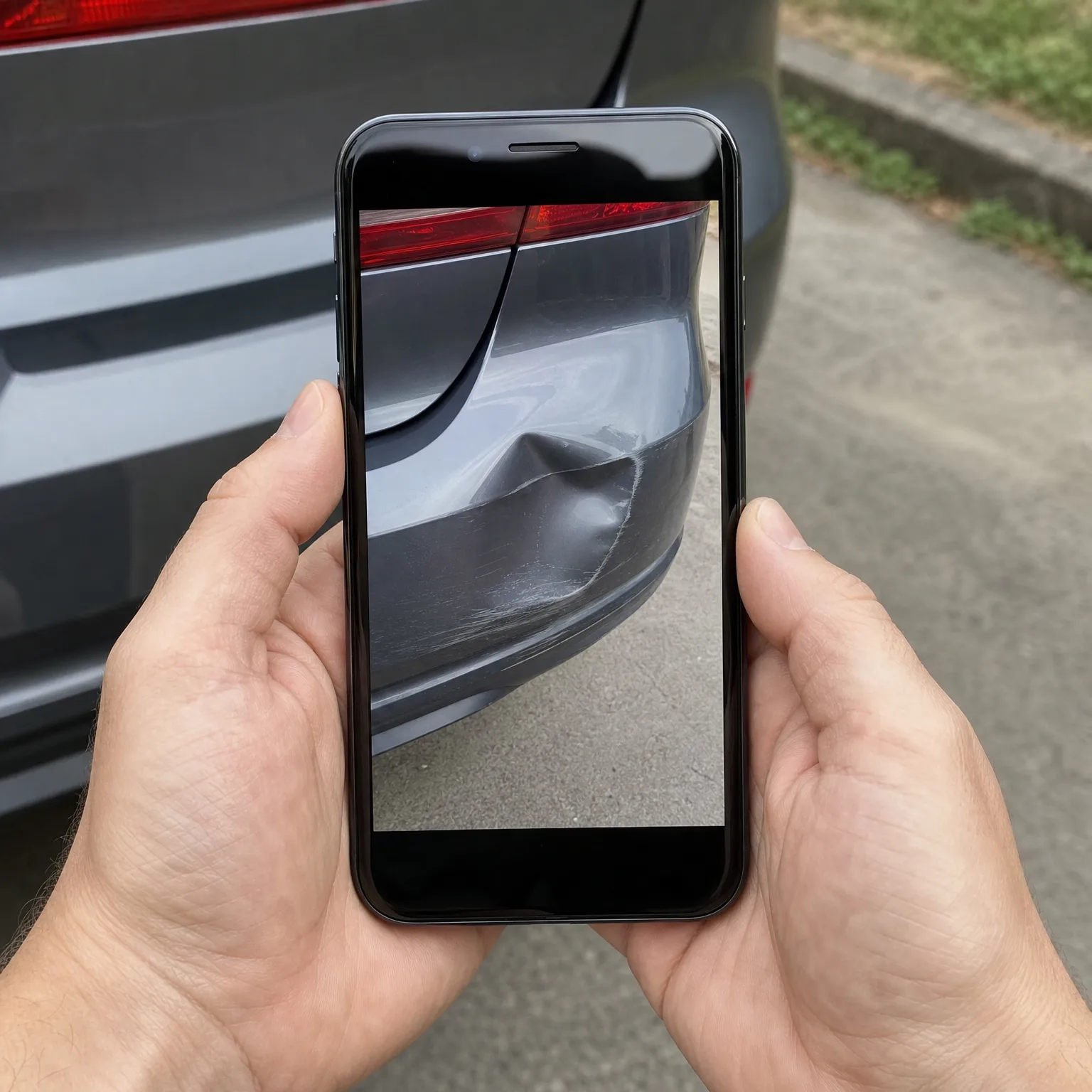
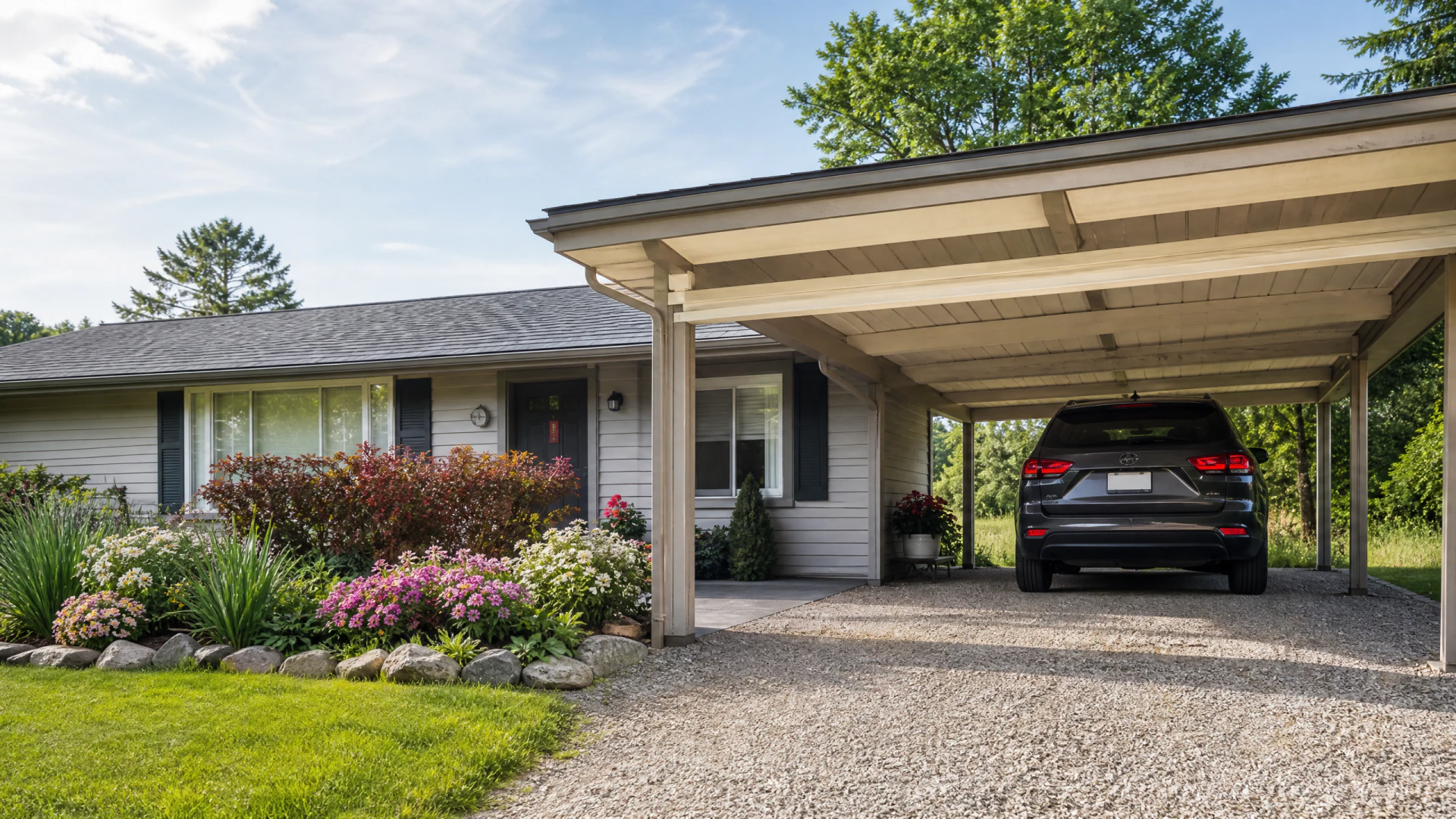
If you cancel early and something happens to the car before the buyer takes it, you're the one left exposed. A tree could fall on it, someone could hit it while it's parked, or it could be stolen out of a driveway. None of that stops being your problem just because you stopped planning to drive it.
The safer order is to keep the policy in place through the sale, sign the title over to the buyer, and only then call to cancel or adjust coverage. Many insurers will also prorate a refund for the unused time, so canceling a few days later costs you little and protects you a lot.
Where this gets more complicated is when a car is being given away, transferred between family members, or sold informally without a dealer involved. In those cases, check your state's rules on title transfer and liability, because the exact moment ownership and risk shift can vary.
What to settle before you cancel anything
- Confirm the title transfer Insurance should stay active until the title is signed over and in the buyer's hands. If that hasn't happened, the car is still legally yours.
- Ask about a prorated refund Many policies refund unused premium when you cancel partway through a term. Call your insurer after the sale to ask what you're owed.
- Remove the car, not the policy If you have other vehicles on the same policy, just remove the sold car instead of canceling everything. This keeps continuous coverage on your other cars.
- Watch for a coverage gap If you're buying a replacement car, make sure the new policy starts before or exactly when the old one ends. A gap in coverage can raise future rates.
- Get the sale in writing A bill of sale with the date, odometer reading, and signatures protects you if anything is disputed later. Keep a copy even after the title transfers.

Canceling early versus waiting until the sale closes
If you do
If you cancel before the sale closes, you save a little money sooner but take on real risk. If the car is damaged, stolen, or involved in an incident while still titled to you, you likely have no coverage to fall back on, and you're still the legal owner responsible for it.
If you don't
If you wait until the title has transferred and the sale is complete, you stay protected the whole time the car is still yours. Once the buyer has the title, you cancel or remove the car from your policy, often get a prorated refund, and walk away with nothing left hanging over you.
Once you know when to drop coverage, compare quotes now so your next policy starts right on time.
What if the buyer wants to drive the car away the same day?
That's normal, and it doesn't change the order of operations. The title still needs to transfer into the buyer's name before you cancel your insurance, even if that happens within the hour.
In practice, many buyers arrange their own insurance to take effect the moment they take possession, so the car is never uninsured even for a short drive home. Ask the buyer if they've set up coverage before they leave with the vehicle. If they haven't, that's a liability problem for them, not a reason for you to cancel your policy late. Keep your coverage until you've handed over the signed title and confirmed the sale is done, then cancel or adjust your policy that same day or the next.
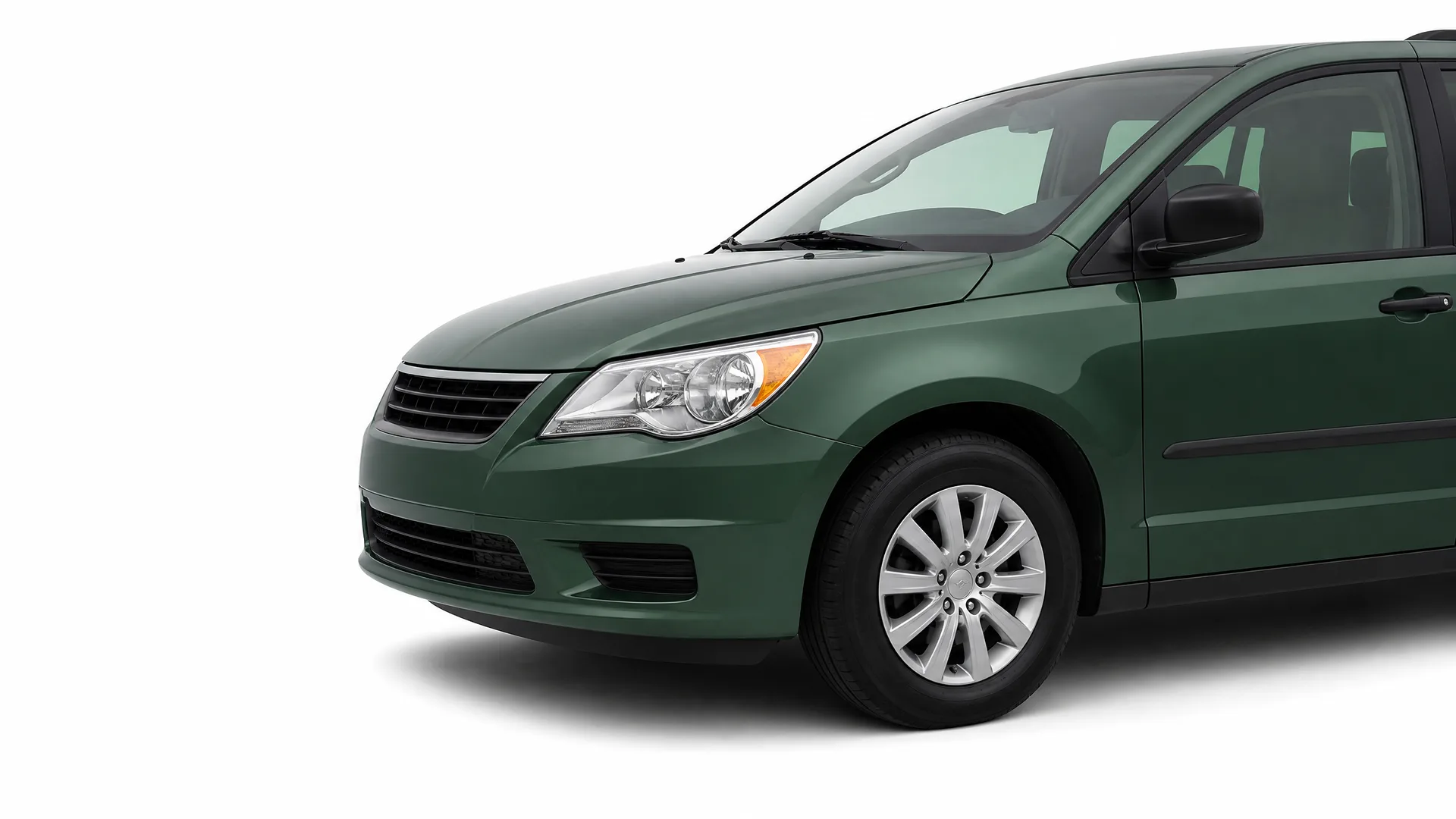
The car stops being your risk the moment the title changes hands, not the moment you stop driving it.
Can I cancel insurance the same day I sell the car?
Yes, as long as the title has already transferred to the buyer and the sale is complete. Call your insurer after the handoff, not before, so you're not uninsured while you're still the legal owner. If the sale happens late in the day, it's fine to cancel the next morning instead.
Do I get money back if I cancel my policy early?
Often yes, many insurers prorate your premium and refund the unused portion. This varies by insurer and sometimes by state, so ask directly when you call to cancel. Paying by the month versus paying for a full term in advance can also affect how much comes back to you.
What happens if I forget to cancel after selling the car?
You'll likely keep paying for a car you no longer own until you remove it from the policy. It won't cause a legal problem, but it's wasted money, so check your statements and call as soon as you remember. Removing it later still usually qualifies for a partial refund.