
What Does a Driving Refresher Course Mean
A driving refresher course is a short class that rebuilds skills from a long break, and it can also lower your insurance rate.
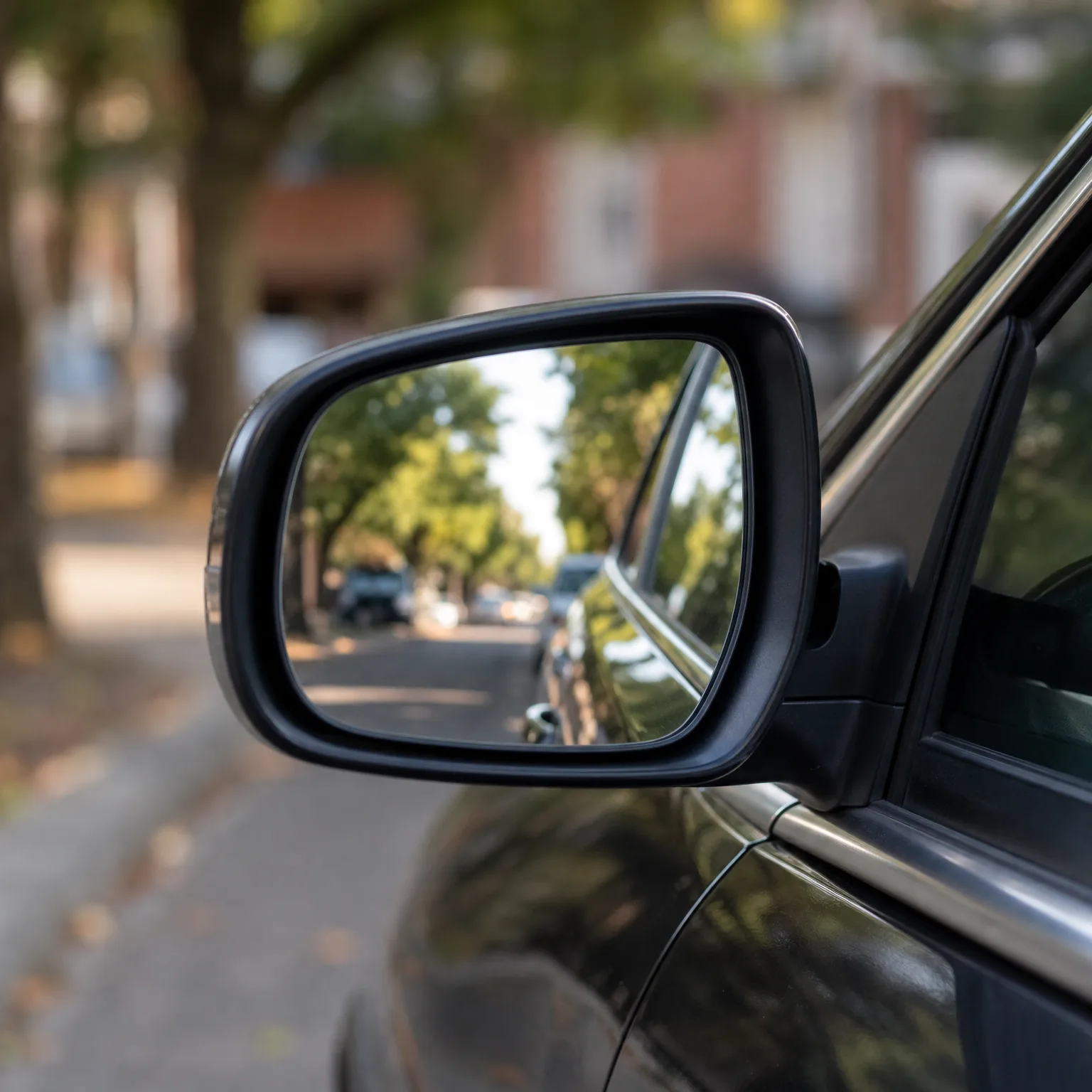
A car sitting unused finally gets a driver again
Say your spouse handled all the driving, and the second car in the garage has barely moved in two years. Now you need to start driving it regularly, maybe for errands or visiting family, and it has been a long time since you were behind the wheel often. You're not nervous about remembering how to drive, but highways have changed, traffic feels different, and you want to feel sure of yourself before you're out there daily.
You sign up for a refresher course through a local driving school, a few hours split between a short class and time in the car with an instructor. It covers things like merging, blind spots and current road rules, and the instructor rides along to see how you actually drive now, not how you drove twenty years ago. Afterward, you call your insurer, and they confirm the course qualifies for a discount since you're the primary driver on that car now. You feel steadier behind the wheel, and the policy reflects the change too.
Will a refresher course actually lower my insurance rate?
It can, but it depends entirely on your insurer and sometimes on your state. Some insurers offer a discount for completing an approved course, especially for drivers over a certain age or those returning to regular driving after a long gap. Others don't offer anything for it at all.
The only way to know is to ask your insurer directly before you pay for a course, and ask specifically which providers or course types they accept. If a discount exists, you'll usually need to submit a completion certificate. If one doesn't exist, the course still has value for your confidence and safety, just not for your bill.

The course is about your confidence behind the wheel, not a requirement to keep your insurance active.
Once you know how a refresher course affects your rate, compare quotes as the car's primary driver.

Deciding whether to take a refresher course
If you do
You get hands-on practice with current road conditions and feedback from an instructor who sees exactly how you drive now. If your insurer offers a discount for it, you submit the certificate and your rate may drop. Either way, you're more prepared to be the regular driver of that car.
If you don't
You can still drive legally and insure the car with no issue. You just go in without the structured practice or instructor feedback, and you miss out on any discount your insurer might have offered. Some people are fine without it, others feel less sure on the road without that practice.
Why this course matters more for confidence than for paperwork
A driving refresher course isn't a license requirement or a step you must complete to insure a car. It's a practical class, sometimes a few hours of instruction, sometimes spread over a couple sessions, aimed at rebuilding skills that fade when you haven't driven often. For someone stepping back into regular driving after years of someone else handling it, the value is mostly about comfort and safety, not paperwork.
Where it intersects with insurance is the discount some companies offer for completing one. This isn't universal. It varies by insurer, and in some states certain course types are recognized more formally, often tied to age-based programs. Because there's no single rule, the only reliable step is calling your insurer and asking what they accept before you enroll, so you don't pay for a course that doesn't end up mattering to your rate.
The course itself usually covers updated road rules, defensive driving techniques and time behind the wheel with an instructor observing your habits. This matters more now than it did when you first learned to drive, since traffic patterns, road signs and even some laws shift over the years. If you're about to become the regular driver of a car that's been sitting idle, this is less about proving competence to anyone and more about making sure you feel steady on roads that have changed since you last drove them often.
In cases where no discount applies, the course still has worth. Insurers care primarily about your driving record going forward, so if the course helps you avoid a future accident or violation, it protects your rate indirectly, just not through an immediate discount.
Does my insurer require a refresher course after a long break from driving?
No, insurers don't require this. You can insure a car and drive it legally without ever taking a refresher course, regardless of how long you've been away from regular driving. The course is optional and mainly useful for your own comfort and skill. The only reason it intersects with insurance is that some companies offer a discount for completing one, so check with your insurer if you're curious, but don't take the course out of obligation.
What happens to a car's insurance when it goes from occasional use to daily driving?
Your rate may change once you tell your insurer the car is being driven more regularly and by you as the primary driver. Insurers base pricing partly on expected usage, so a shift from occasional to daily driving is worth reporting. Call your insurer, explain the change, and ask how it affects your premium. This also ensures you're properly covered if anything happens while driving it.
Can I remove my spouse from the car insurance policy without losing coverage?
Yes, you can update the policy to remove a spouse's name, and the coverage itself continues as long as you keep paying and meet the insurer's requirements. The process usually involves providing documentation and may change your rate since the risk profile shifts to just you. Call your insurer directly, explain your situation, and ask what paperwork they need before making the change.