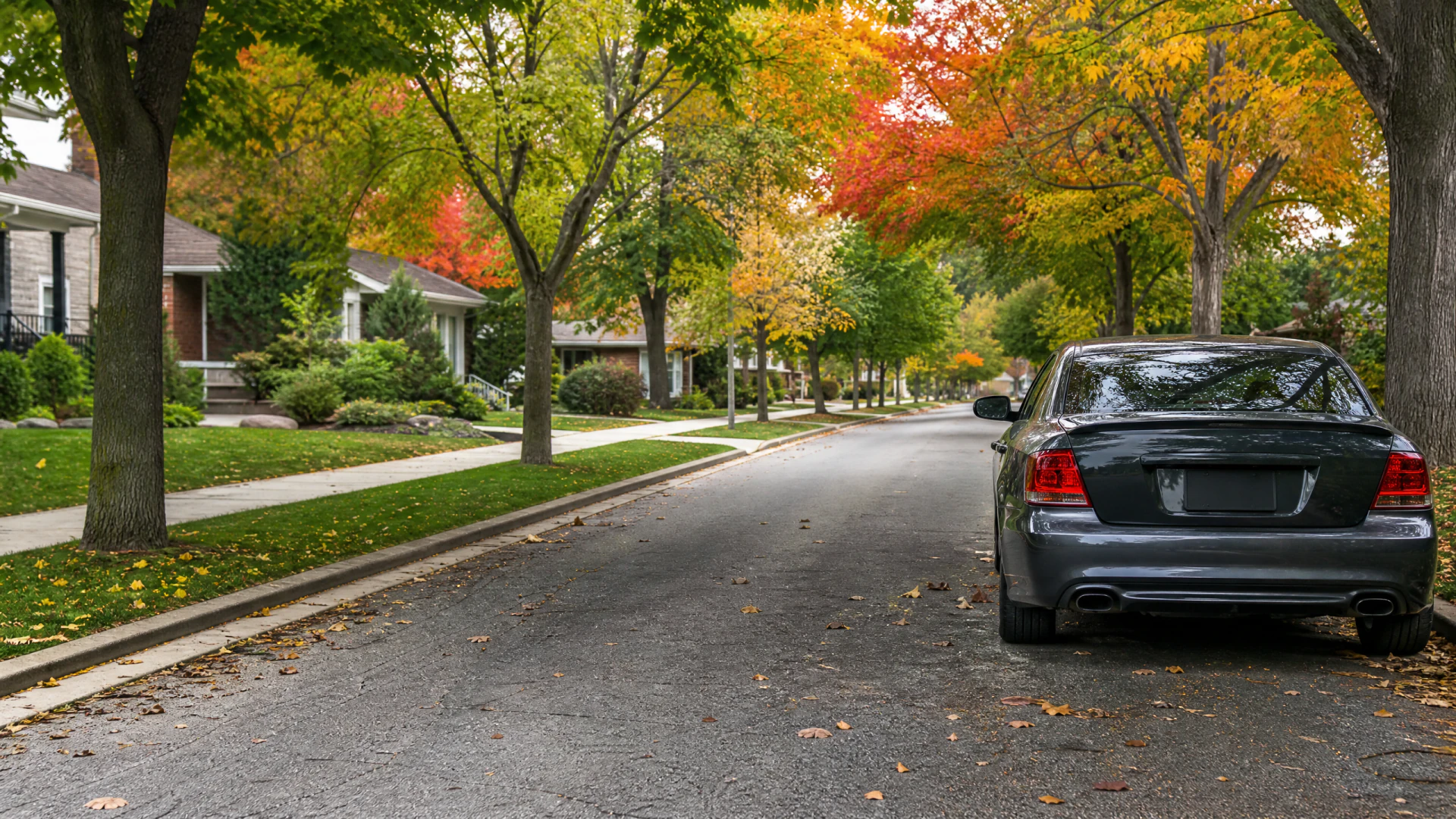
What Is the 2 4 12 Second Rule for Driving
It's three spacing rules in one phrase: two seconds following distance, four seconds in poor conditions, twelve seconds scanning ahead.
Each number answers a question your eyes and brakes can't answer alone
The two second count is your following distance in normal conditions. You pick a fixed point the car ahead passes, like a sign or a shadow, and count how long until you pass it too. If it's less than two seconds you're too close to stop safely if that driver brakes hard, because reaction time plus braking distance eats up space faster than most people guess.
The four second count is the same idea for when conditions turn against you. Rain, fog, darkness, a heavy load in your car, or a driver ahead who seems unpredictable all call for doubling your cushion, because your tires grip less and your reaction time effectively shortens when visibility drops.
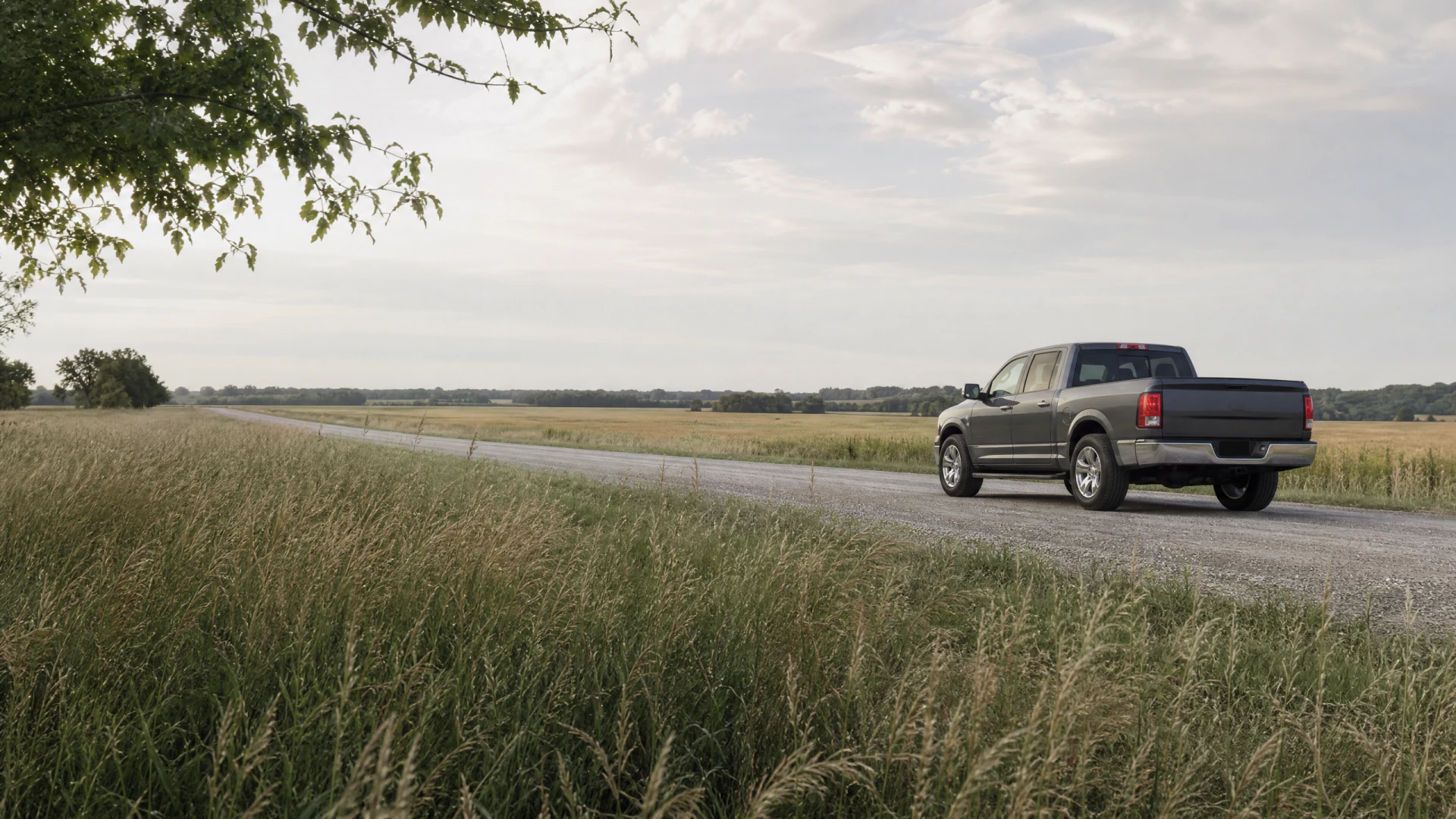
The twelve second count works differently. It's not about the car in front of you, it's about how far down the road you're actually looking. Count twelve seconds of road ahead at your current speed and ask what's happening there, a merging lane, a light changing, brake lights bunching up. Most close calls come from staring at the car directly ahead instead of reading the road further out.
Where this varies is in how strictly it's taught or tested. Some driver education programs and some states build these exact numbers into their curriculum or licensing materials, others teach similar spacing ideas with different counts. Check what your state's driver handbook actually specifies if you want the version that matches your test or your teen's.

The short version
The 2 4 12 rule is three spacing checks: two seconds following distance normally, four seconds in bad conditions, and twelve seconds of road scanned ahead. It works because stopping distance and reaction time need more room than instinct suggests. Practice the counting method next time you drive, using a fixed point on the road.
Does following this rule actually lower my insurance rates?
Not directly. No insurer measures your following distance or gives you a discount for counting seconds behind the wheel. What it does is reduce your chance of a rear end collision, and avoiding that collision is what protects your rate.
A clean record over time is the thing insurers actually price around. So the rule doesn't earn you anything by itself, but the crash it helps you avoid would have. If you want to check whether your driving habits could lower your cost directly, look into whether your insurer offers a monitored driving program, since some do and some don't.
Once you know your own following distance, it's a good time to compare quotes and see what that driving record is worth.

Whether you actually use the counting method or just know the idea
If you do
You build a habit of checking your gap at a fixed point, almost automatically within weeks. In poor weather you widen it without thinking. You catch slowdowns twelve seconds out instead of two, giving you time to ease off rather than brake hard, a pattern that keeps your record clean over years.
If you don't
You still drive fine most days, since most trips don't test your margins. But the gap closes without you noticing, especially in rain or heavy traffic, and your attention stays locked on the car ahead instead of the road further out. The risk shows up once, in the moment you didn't have the extra second.
Driving your teen through their first highway trip in the rain
You're in the passenger seat while your teenager drives highway speeds for the first time in steady rain. Traffic ahead slows suddenly for a merge. Your teen brakes late and hard, closer to the car ahead than you'd like, and you both feel the seatbelt catch.
Afterward you talk through it using the rule instead of just saying "be careful." You have them pick a sign ahead and count the gap to the car in front, then try it again at four seconds since the road is wet. On the drive home they catch the brake lights up ahead well before needing to react, because they're counting the twelve seconds of road instead of fixing on the bumper in front of them. The trip ends calm instead of tense, and now there's a specific habit to practice instead of a vague warning to remember.