What Is the Best Remedy for Driving Fatigue
The only remedy that actually works is pulling over and sleeping, because nothing else restores you.
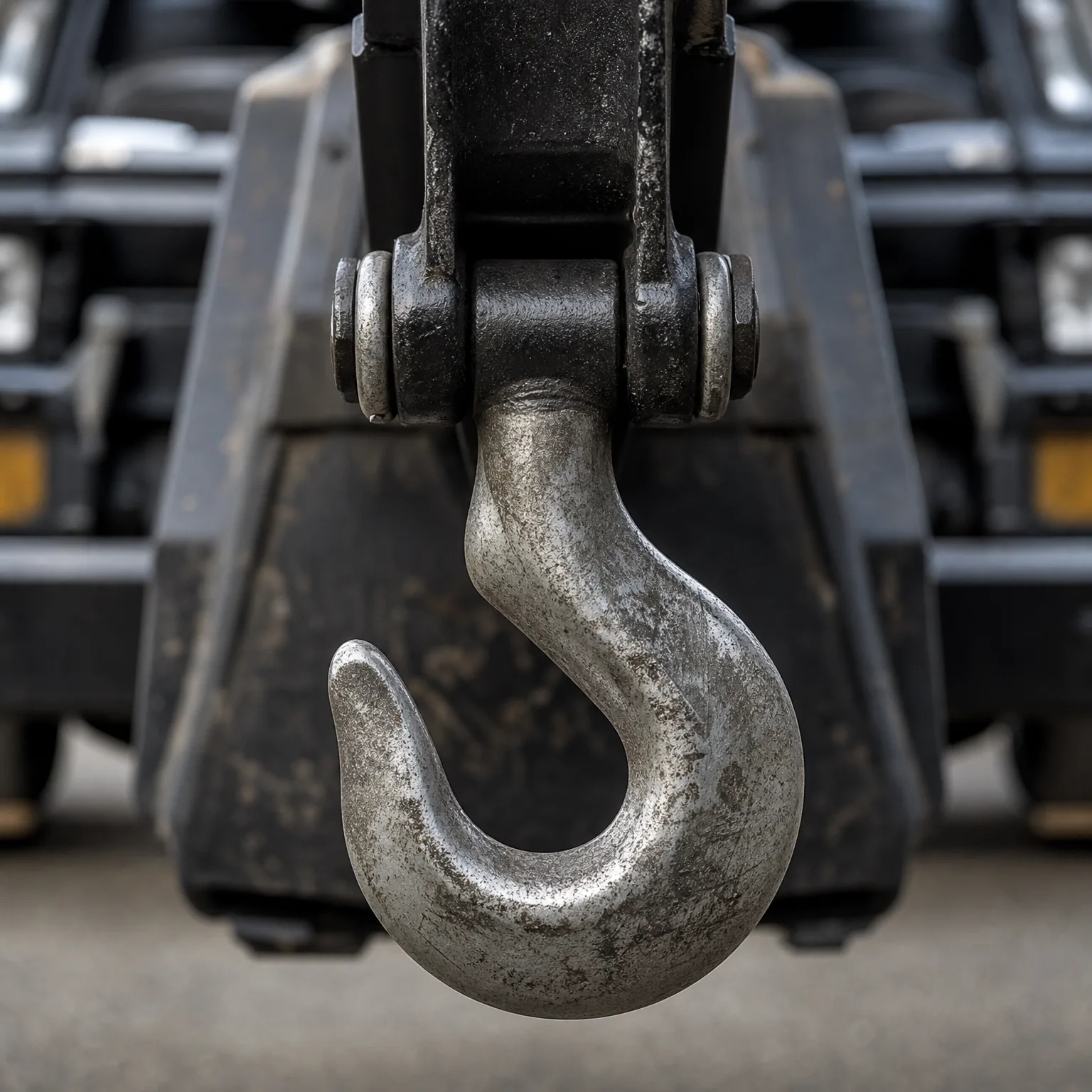
Driving home alone after a long, draining day
You're on a two-hour drive after a day that started early and never let up. Somewhere past the halfway point, your eyes feel heavy and you catch yourself not remembering the last few miles. You turn up the radio and crack the window, telling yourself you're almost there.
That's the moment to take seriously. Pulling into a rest stop and closing your eyes for fifteen or twenty minutes does more than any amount of cold air or loud music. You wake up groggy for a minute, then noticeably clearer. The rest of the drive feels ordinary instead of like a fight to stay alert, and you get home the same way you left, in one piece.
How do you tell normal tiredness from dangerous fatigue while driving?
The line is whether you can still focus on the road without effort. Normal tiredness feels like low energy, but you're still tracking lanes, signs and other cars without trying. Dangerous fatigue shows up as your attention drifting, missing an exit, not remembering the last stretch of road, or your head starting to nod.
If you notice any of those, treat it as fatigue, not just tiredness. The gap between the two can close fast, especially late at night or after a long stretch behind the wheel. You don't get a clear warning before the dangerous kind takes over, so it's safer to stop as soon as you notice the first signs rather than waiting to see if it gets worse.

Once you know how to handle a tired drive, it's a good time to compare quotes for the coverage you're actually using.

Do you pull over or push through
If you do
You lose a few minutes, maybe twenty, finding a safe place to stop and resting. You arrive a little later than planned. Your focus comes back, the drive feels normal again, and you get to your destination without the stretch of road that worried you.
If you don't
You keep driving on willpower, telling yourself you're almost there. Your reaction time slows without you noticing, and the risk of drifting out of your lane or missing something ahead climbs fast. Even a short lapse at speed can turn into a serious crash.

What actually helps when you're fatigued behind the wheel
- Pull over and sleep A short nap, even fifteen minutes, is the only thing that restores alertness. Find a safe, legal place to stop and actually close your eyes.
- Switch drivers if you can If someone else in the car is alert and licensed, let them take over. This matters more than anything you can do to power through alone.
- Don't rely on caffeine alone Coffee can help for a short while but it doesn't fix fatigue, it delays it. Pair it with a real stop, not as a substitute for one.
- Plan stops in advance On long drives, build in breaks every couple of hours before you feel the first signs. It's easier to prevent fatigue than to recover from it mid-drive.
- Know your own patterns If you know certain times of day or lengths of drive hit you hardest, plan around them. Adjust your route or timing instead of hoping this time is different.

Fatigue isn't something you push through, it's something you have to stop for, every time.