
Why Do I Get Anxiety on Highways
Highway anxiety comes from high speed, no easy exit, and trusting strangers to drive well, and it eases with practice, not avoidance.
Why highways trigger anxiety that side streets don't
On surface streets you have constant small exits. You can pull over, turn, slow down, or stop at a light. A highway removes almost all of that. Once you merge, you're committed to a stretch of road at speed, surrounded by vehicles moving just as fast, and your brain registers that loss of control as danger even when nothing is actually wrong.
Speed itself changes how much time you have to react. At lower speeds a mistake gives you room to correct it. At highway speed the same mistake closes that gap fast, and some part of you knows this, which is why the margin for error feels thinner even when you're driving carefully.
Merging and lane changes add another layer, because they require trusting strangers to behave predictably. You're relying on other drivers to hold their speed, signal honestly, and not do anything sudden, and you have no way to verify any of that in advance. That uncertainty is a common trigger even for people who've driven for years without incident.
For some people this anxiety traces back to a specific event, like a near miss or an accident, and for others it builds slowly from general stress or from driving less often than they used to. Either path leads to the same place, where your body reacts to the highway itself rather than to anything happening in that moment. This is also why avoidance tends to make it worse. The less you drive highways, the more unfamiliar and threatening they feel the next time, while steady, gradual exposure is what actually retrains the response.

The short version
Highway anxiety comes from losing the small controls you rely on elsewhere, like the ability to stop or slow down easily, combined with high speed and dependence on strangers to drive predictably. It isn't a sign you're an unsafe driver. The way through it is gradual, repeated exposure on shorter, lower-pressure stretches, not avoiding highways altogether.
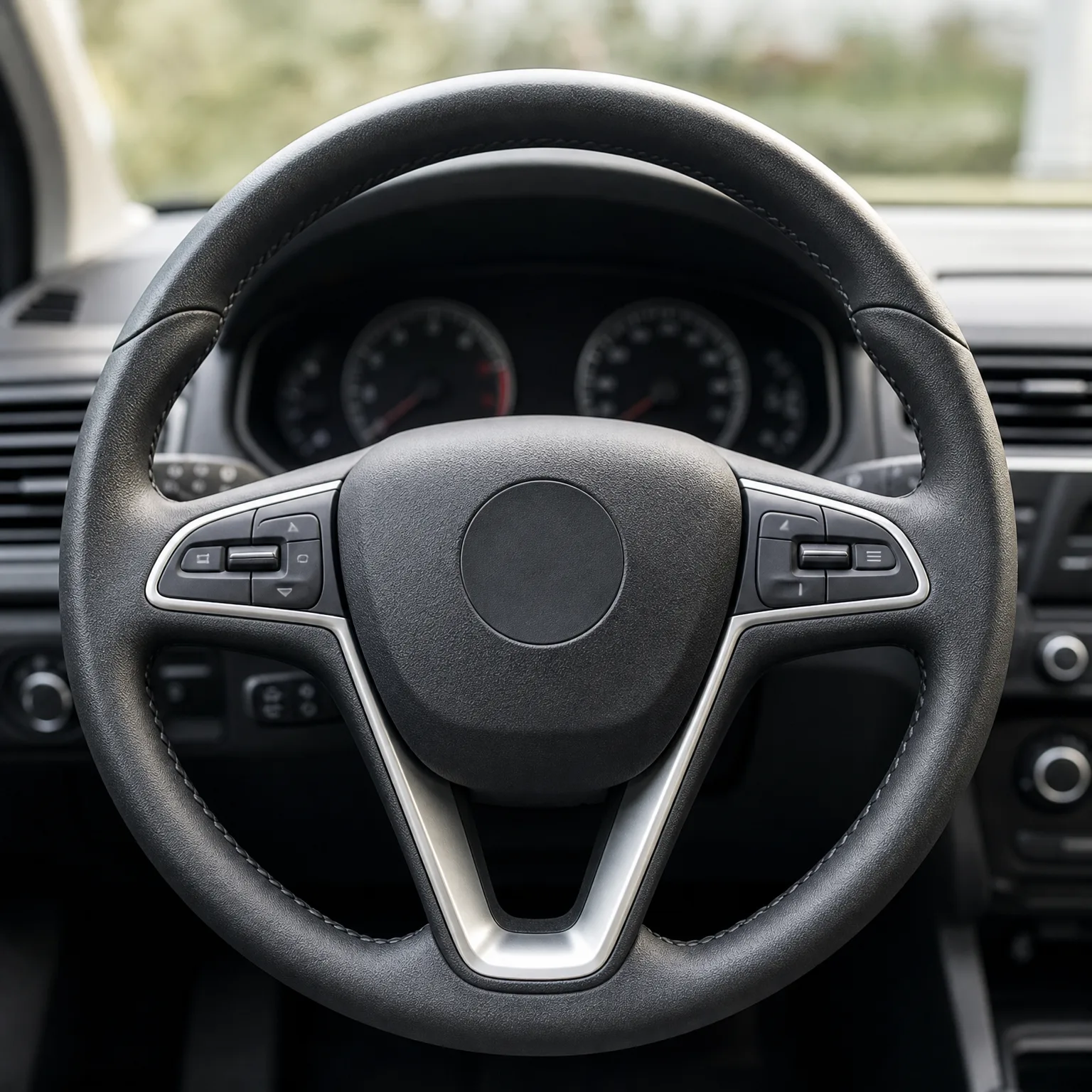
A driver who started avoiding highways after a close call
Someone had a car cut sharply into their lane on the highway, close enough to require hard braking. Nothing happened beyond the scare, but afterward they started taking surface streets everywhere, even when it tripled the drive time. The avoidance felt like safety, but it meant every highway on-ramp became more unfamiliar and more frightening each time they thought about using one.
They eventually picked a short, low-traffic highway stretch during a quiet time of day and drove it round trip, just that one segment, several times over a few weeks before adding more distance or busier timing. The anxiety didn't disappear immediately, but it became manageable enough to plan around, and within a couple months they were back to using highways for normal errands. What mattered was the repetition at a pace they chose, not forcing themselves into the busiest merge on the worst day to prove something.
Once you understand what's driving the anxiety, you can compare coverage that fits how and where you actually drive.

Whether you keep driving highways or start avoiding them
If you do
If you keep driving highways, even in small doses, the unfamiliarity fades and your nervous system recalibrates to what's actually routine. Trips that once required bracing yourself become ordinary again. It takes repetition, not a single brave drive, but each trip makes the next one slightly less charged.
If you don't
If you avoid highways, surface street routes become your default and highways grow more foreign and more anxiety producing over time. Even short errands take longer, and the thought of merging feels bigger the longer you stay away. The anxiety tends to generalize, sometimes spreading to other kinds of fast or unfamiliar driving too.
Should I avoid highways entirely if they make me anxious?
No, and avoiding them is usually what keeps the anxiety strong. Highways feel threatening partly because they're unfamiliar in the moment, and the less you drive them, the more unfamiliar and frightening each return trip becomes. Avoidance gives short term relief but reinforces the idea that highways are something to escape rather than something you can handle.
A better approach is gradual exposure on your own terms, starting with short, low traffic stretches and building up distance, speed, and traffic density over time. If the anxiety is severe, sudden, or tied to panic symptoms like chest tightness or dizziness, it's worth talking to a doctor or therapist, since that can point to something beyond ordinary driving nerves. For most people though, steady practice on manageable stretches is what turns highways back into routine driving.