Why Does Driving Stress Me Out
Driving feels harder right now because the familiar routines, and often the person who shared them, are gone.

What's actually driving the stress underneath
- Unfamiliar responsibility If your spouse handled the car and the policy, every decision now feels unfamiliar even if it's simple. Start by just reading the current policy declarations page so you know what you're working with.
- Fear of doing it wrong You worry that changing something will cancel coverage you need or leave a gap. Call the insurer directly and ask what happens before you make any change, so you're acting on facts instead of guesses.
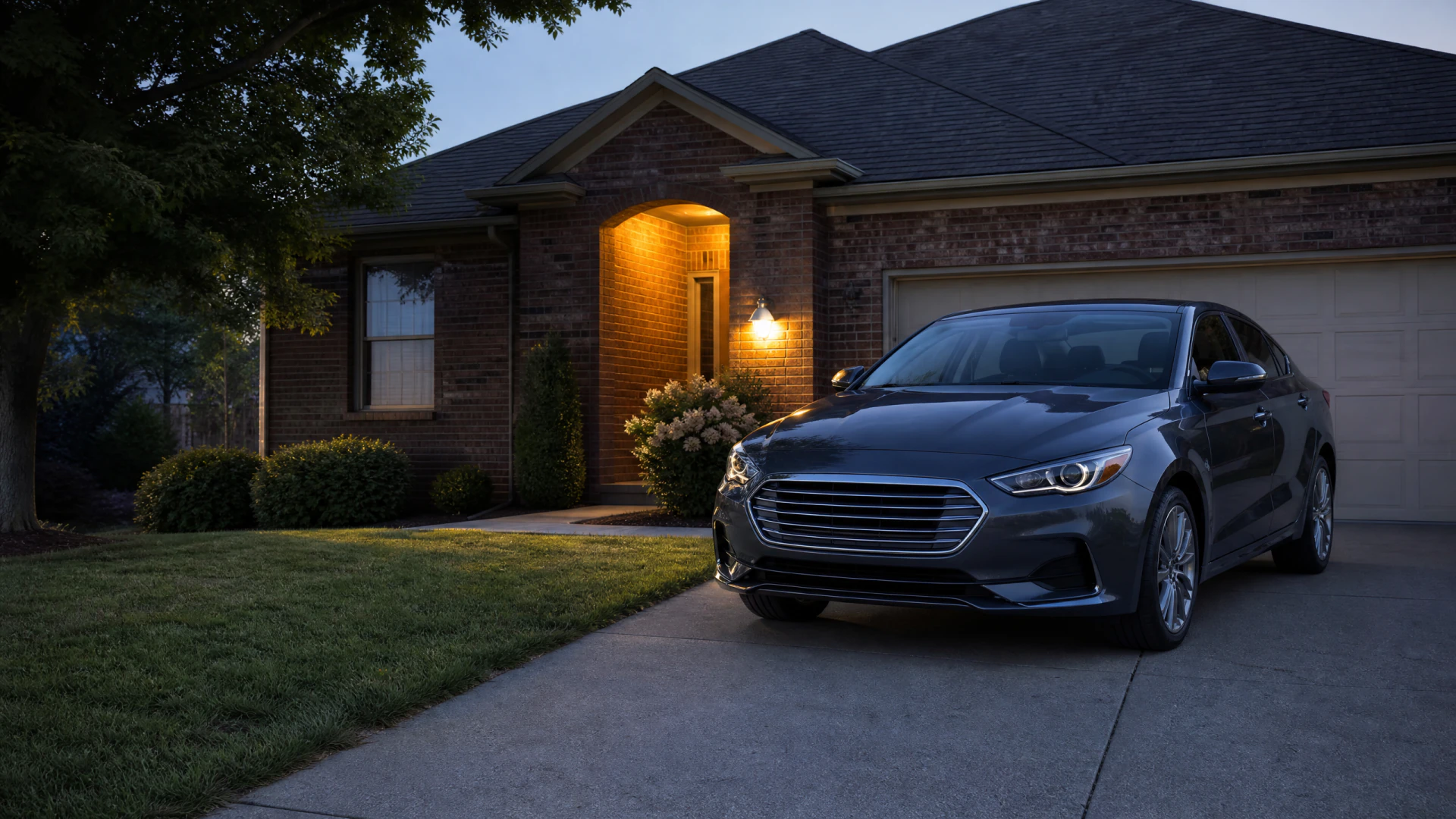
- A car with no clear purpose A second car sitting unused adds a quiet, constant weight to every reminder about registration or insurance. Decide soon whether to keep it, sell it or store it, because an unclear status creates ongoing stress.
- Grief showing up as dread Tasks tied to your spouse, like a policy in their name, can carry emotional weight beyond the paperwork itself. That dread is normal and doesn't mean the task itself is complicated.
- Too many decisions at once Insurance, titles and driving habits don't have to be solved the same week. Pick one piece, usually the active policy, and handle that first.

A second car and a policy that still had two names on it
A woman in her sixties lost her husband in the spring. He had always managed their insurance, and when she finally opened the policy documents that summer, she found both their names listed as drivers on two cars, though only one car had been driven in months. She felt a wave of anxiety just looking at the paperwork, unsure if removing his name would cause problems or raise her rate.
She called the insurer and asked them to walk her through it step by step. They explained how to remove a driver, what documentation they needed, and that her rate might change slightly either way depending on how the household risk was calculated. She decided to keep the second car for now since her daughter visited often and used it, but she adjusted the coverage to reflect that it was driven less. Within a few weeks the paperwork was settled, and the stress she'd felt about the policy eased once she understood exactly what each line meant and why.

Whether you deal with the policy now or set it aside
If you do
You find out exactly what's covered, update the names on the policy, and stop wondering if something will go wrong. The uncertainty that's been adding to your stress gets replaced with a clear, current picture of your coverage and costs.
If you don't
The unfamiliar paperwork keeps sitting there, and every reminder notice or renewal letter brings the same dread back. You may also be paying for coverage you don't need, like a car nobody drives, without realizing it.
Once you know what your policy actually covers, compare quotes to see if it still fits your situation.
Why driving and its paperwork feel heavier than they should
Stress around driving after a loss usually isn't about the car itself. It's about facing a task that used to belong to someone else, done in a context where you're also grieving. When a spouse managed insurance, registration and maintenance, those systems become invisible until they're suddenly yours to understand alone.
Insurance also multiplies uncertainty by design. Policies use terms like named driver, excluded driver and rated driver that mean specific things, but if you've never had to parse them, every form can feel like a test you might fail. That unfamiliarity, not the actual complexity, is often what produces the dread.
A second car compounds this because it represents an unresolved decision, not just an extra bill. Unused cars still need to be insured, registered and sometimes started periodically, and letting that linger without a plan keeps the stress active. Making a decision, even an imperfect one, tends to reduce anxiety more than researching the perfect choice.
This settles differently depending on your state's rules about title transfers, insurance after a policyholder's death, and whether a named driver must be formally removed. Some insurers require documentation like a death certificate before changes take effect, others don't. Ask your insurer directly what their process requires, since guessing adds stress you don't need.
Should I keep the second car or let it go?
There's no single right answer, but there is a clear way to decide. Start with how often the car would realistically be used, by you or anyone else in the household, over the next year. If the honest answer is rarely, the ongoing cost and mental load of maintaining it likely outweighs the convenience.
If someone depends on it regularly, like a visiting family member, keeping it with adjusted coverage for lower mileage can make sense. Either way, the goal is to make one deliberate decision rather than leaving it unresolved, since the unresolved state is what keeps generating stress every time you see the car or get a bill.